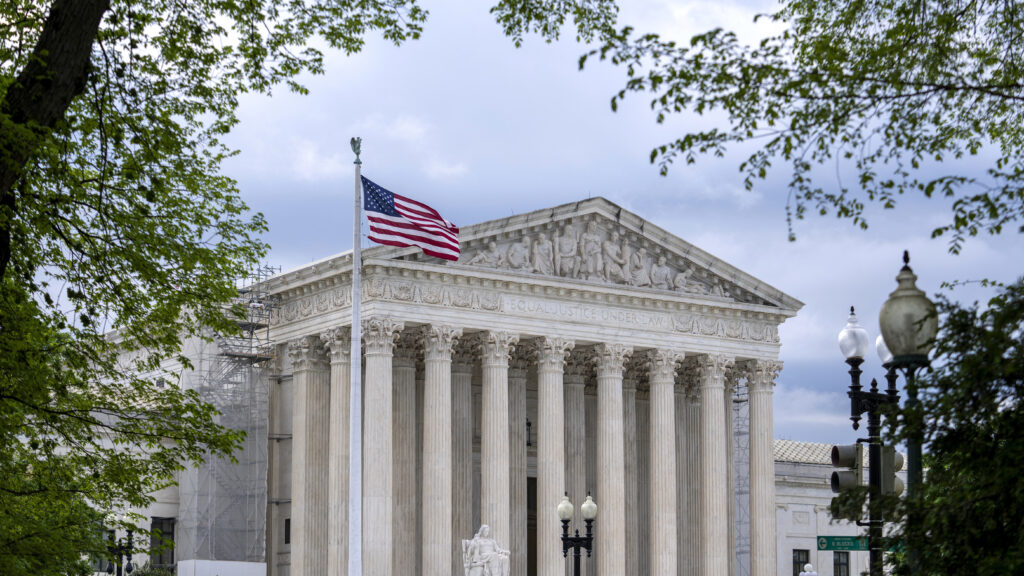
The U.S. Supreme Court has agreed to review a significant legal matter concerning “skinny labeling,” a practice that has implications for the accessibility of generic medications. This review will focus on whether generic drug manufacturers can obtain regulatory approval to market their products for specific uses while excluding other patented uses associated with brand-name drugs.
Skinny labeling allows generic companies to circumvent potential patent infringement lawsuits by limiting the scope of their drug marketing. For example, a generic version of a heart medication might be approved for treating a specific condition but not for others. This approach has been a crucial strategy for generic manufacturers following the enactment of the Hatch-Waxman Act in 1984, which aimed to enhance competition in the pharmaceutical market.
Implications for the Pharmaceutical Industry
The Supreme Court’s decision to take up this case is particularly noteworthy as it could reshape the landscape for generic drugs. The Hatch-Waxman Act was designed to facilitate the entry of generic medicines into the marketplace, ultimately benefiting consumers by lowering prices. By allowing skinny labeling, Congress intended to encourage competition while still protecting the intellectual property rights of brand-name drug manufacturers.
The controversy surrounding skinny labeling is emblematic of the broader challenges facing the pharmaceutical industry. Generic drug companies argue that this practice is vital for their survival and for maintaining affordable drug prices. Conversely, brand-name manufacturers express concerns that it undermines their patents and could lead to diminished investments in research and development.
Legal experts and industry stakeholders are closely monitoring the situation, as the Supreme Court’s ruling will likely have far-reaching consequences. It could either bolster the position of generic manufacturers or provide stronger protections for brand-name drugs, influencing the balance of competition in the market.
Consumer Impact and Future Considerations
The outcome of this review will directly impact consumers seeking affordable medications. Should the Court side with the generic companies, more options for treatment could become available at lower costs. Conversely, a ruling in favor of brand-name companies could lead to higher prices and fewer generic alternatives.
As the Supreme Court prepares to hear the case, industry observers anticipate a robust debate that will highlight not only legal but also ethical considerations in the pharmaceutical landscape. The decision is expected to be announced in the coming months, and its implications will resonate throughout the healthcare system and beyond.
Pharmaceutical companies, healthcare providers, and patients alike are awaiting this ruling with keen interest, as it represents a pivotal moment in the ongoing discussion about drug pricing, access, and innovation in the health sector.