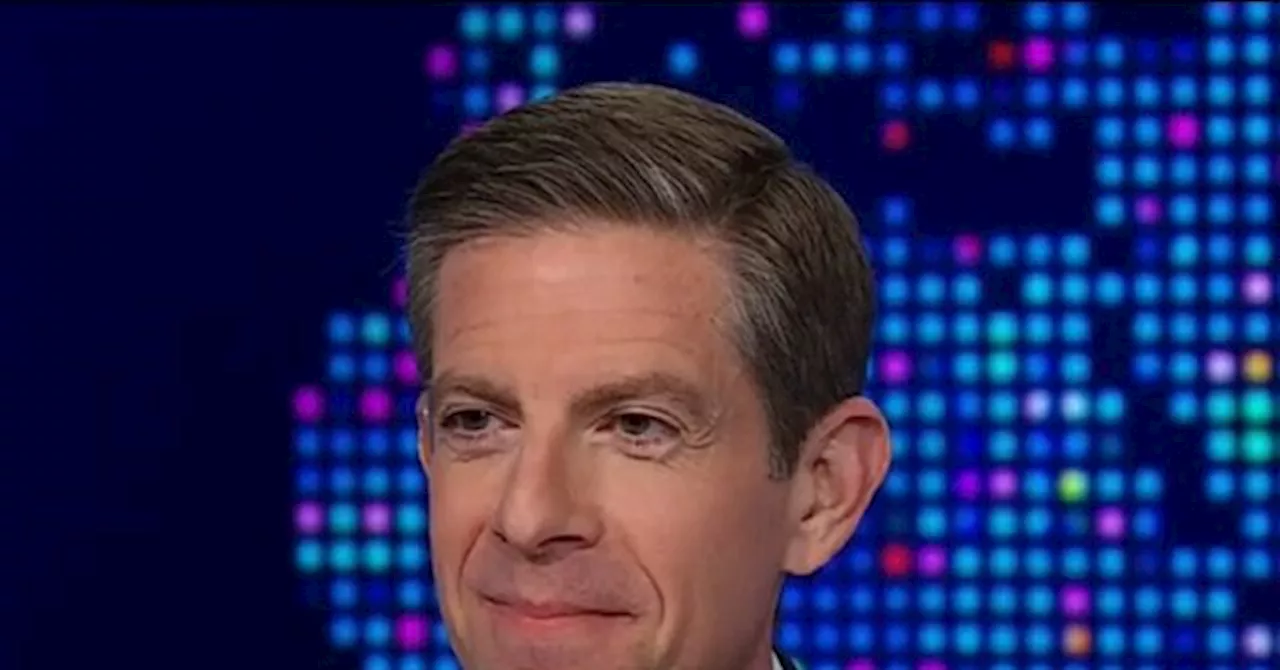
Representative Mike Levin has raised concerns that a renewed focus on fossil fuels will exacerbate transportation cost volatility. During a recent appearance on CNN’s “The Story Is,” Levin highlighted the disconnect between rising energy costs and overall economic growth, emphasizing that many households are feeling the financial strain.
Levin pointed out that even with recent decreases in fuel prices, the overall trend in energy costs has been troubling. He stated, “Doubling down on the fossil fuel industry is going to lead to a lot more volatility in people’s transportation costs.” He noted that energy costs have increased by 13% year-over-year, which is contributing to the financial burdens faced by families.
The representative articulated that while gross domestic product (GDP) figures may reflect positive economic growth, they do not translate into tangible benefits for everyday citizens. “People aren’t feeling it at the kitchen table,” he said, as they grapple with rising grocery prices, housing costs, and fuel expenses. Levin’s comments resonate with many who are increasingly aware of the economic realities impacting their daily lives.
During the discussion, host Elex Michaelson interjected, highlighting that fuel prices have decreased in various regions, although some areas, including California, continue to face high costs. Levin maintained his stance, asserting that the fossil fuel industry’s volatility affects transportation costs significantly, regardless of temporary price drops.
As he elaborated on the broader economic picture, Levin expressed concerns regarding the concentration of growth in certain sectors, particularly the technology industry. He pointed out that while some numbers may appear encouraging, they may not reflect the economic realities faced by the average consumer. “I do think, however, that growth is good and that number is an excellent number,” he remarked, adding that the focus should be on ensuring that economic benefits are more evenly distributed.
Levin’s remarks come at a time when discussions around energy policy and economic strategy are increasingly relevant. As the United States navigates complex energy challenges, the implications of relying heavily on fossil fuels continue to be a point of contention among policymakers and the public alike.
The representative’s comments underscore a growing concern that prioritizing fossil fuel investments could lead to further instability in transportation costs, ultimately impacting families across the country. As the debate unfolds, the focus remains on finding sustainable solutions that address both economic growth and household financial security.