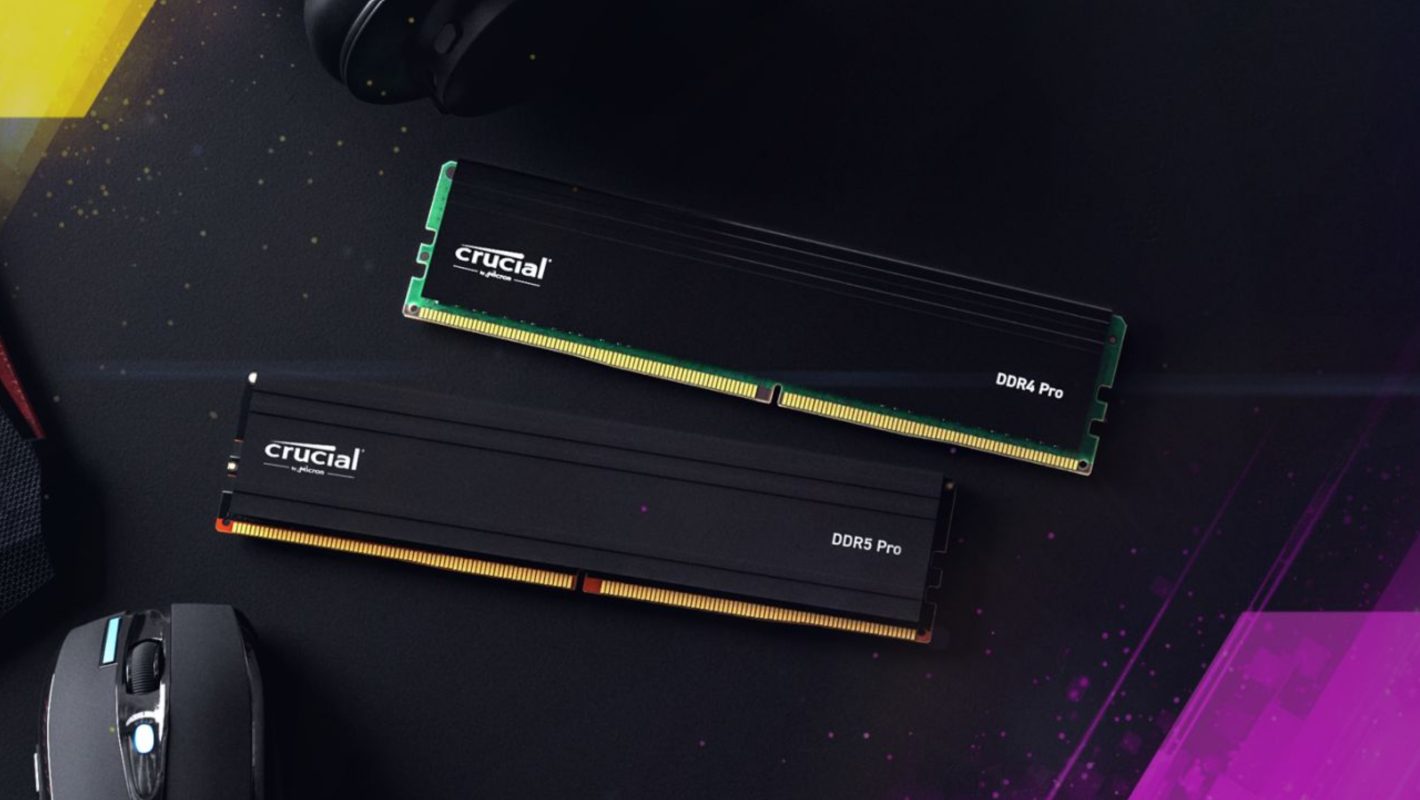
The price of RAM has surged by an astonishing 90% compared to the previous quarter, signaling significant implications for the consumer electronics market. According to recent data from Counterpoint Research, the price increase is primarily driven by the rising costs of server DRAM. This dramatic change has ramifications not only for individual consumers but also for manufacturers who rely heavily on RAM for their products.
The surge means that products across the board will likely see price hikes. For instance, graphics processing units (GPUs) from NVIDIA could increase by 30% as manufacturers adjust to the higher costs of components. Companies such as Nintendo are also feeling the pressure, with speculation that the price of the upcoming Switch 2 may rise. Although Nintendo has stated that current prices will remain stable, the ongoing RAM shortage could force a reconsideration.
Price Trends in the RAM Market
In the fourth quarter of 2025, the price of 64GB RDIMM was approximately $450. Fast forward to the first quarter of 2026, and that price has skyrocketed to over $900, effectively doubling in less than three months. The ramifications extend beyond RAM to NAND flash memory, which has also experienced price increases of between 80% and 90% during the same period.
The current state of the RAM market is not just an isolated issue; it reflects broader trends in supply chains and manufacturing costs. As companies scramble to cope with the new economic realities, consumers can expect to see adjustments in the prices of smartphones and other electronic devices. Some manufacturers, including Sony, are postponing product launches, such as the highly anticipated PS6, in an attempt to navigate these challenges without passing costs directly onto consumers.
Future Implications for Consumers
The surge in RAM prices paints a troubling picture for the consumer electronics landscape. Buyers should prepare for higher costs across various product categories. Whether it be gaming consoles, smartphones, or personal computers, the increased expense of key components will likely translate into retail price hikes.
With the RAM crisis showing no signs of abating, consumers are left to wonder how long these inflated prices will persist. As the technology sector grapples with these challenges, the effects will ripple through to everyday purchases, altering the buying landscape for electronics in the months to come.
In conclusion, the rapid rise in RAM prices is a clear indicator of the shifting dynamics within the electronics market. As manufacturers adjust their pricing strategies to cope with the new costs, consumers will inevitably feel the impact in their wallets. The longer-term outlook remains uncertain, but it is evident that the current climate is anything but stable.