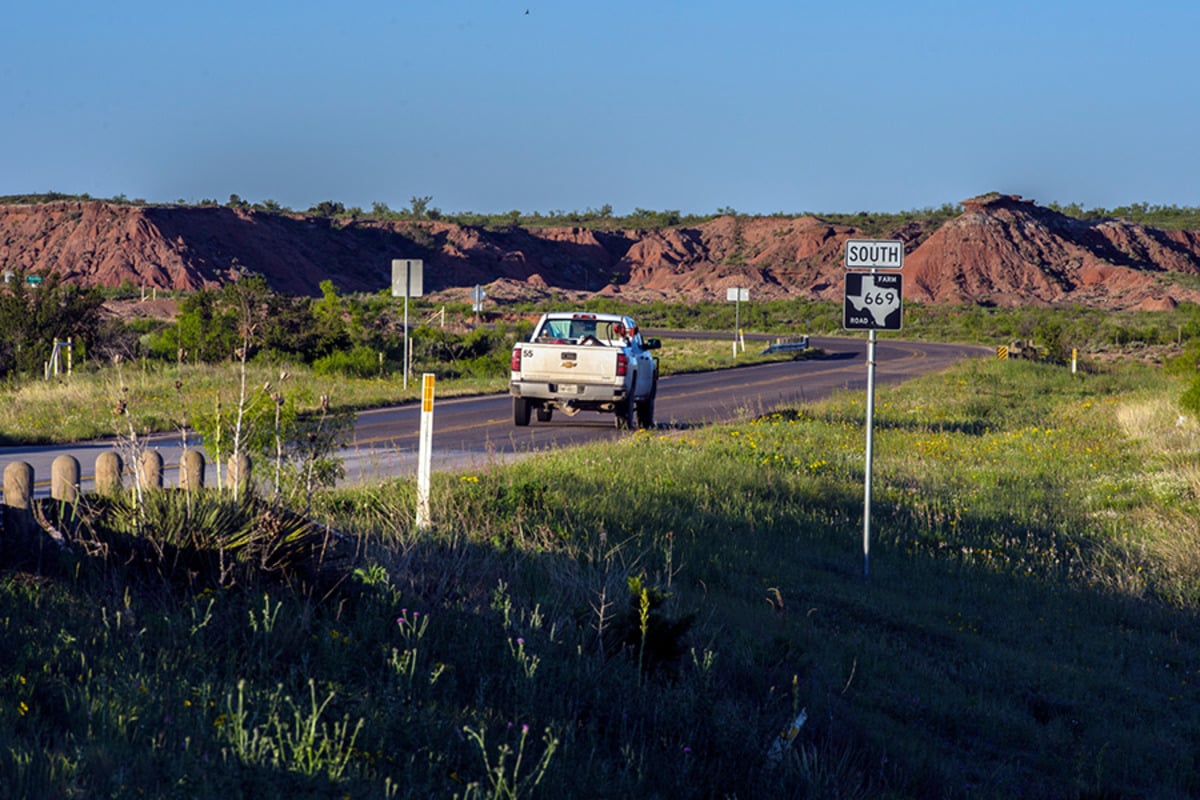
Traveling through Texas offers a unique experience, characterized by a vast network of roads with distinct designations. The Texas Department of Transportation (TxDOT) oversees the nation’s largest highway system, which features a variety of road types that can be confusing for both residents and visitors. Among these, “FM” refers to Farm-to-Market roads, while “RM” stands for Ranch-to-Market roads, as detailed in a recent TxDOT announcement.
A closer look reveals more than 3,400 FM and RM routes spread across the state. These roads have played a vital role since 1937, connecting agricultural areas to markets and facilitating economic development. While the majority of these routes are designated as FM, a select 176 RM routes primarily serve the Texas Hill Country and other western regions. According to Michael Chamberlain, director of data management in TxDOT’s Transportation Planning and Programming Division, the difference between FM and RM roads can often be seen in the landscapes they traverse—cattle ranches versus cotton fields.
Exploring the Unique Designations and Routes
Among the notable routes is Ranch Road One, a distinctive highway that leads to the LBJ Ranch, epitomizing Texas’ flair for the unique. Major thoroughfares, such as the Dallas North Tollway, break conventions by intersecting in unexpected directions. Similarly, some Interstate designations, like Interstate 35E, defy assumptions, as they do not lead east despite their names.
Texas also features loop highways, which locals often refer to affectionately. For instance, I-610 in Houston and I-410 in San Antonio are commonly called “The Loop” and “Loop 410,” respectively. Interestingly, some state highway loops run in straight lines, creating a playful contradiction. In Austin, MoPac, officially known as Loop 1, runs directly through the city, while Loop 168 in Tenaha claims the title of Texas’ shortest highway at just a block long.
Business Routes and Interstate Highways
For those traveling for business, Texas offers routes specifically designed for commercial access. These business routes are typically marked with lowercase letters, indicating the hierarchy of towns along a highway. This blend of practicality and local trivia enhances the journey through Texas.
With 25 interstate highways, Texas boasts more interstate mileage than any other state, providing extensive access across its expansive terrain. Whether choosing an FM route for a rural adventure or navigating between business loops, travelers can find real-time traffic updates through Drive Texas. This resource ensures that journeys are as smooth as the roads themselves.
The intricate tapestry of Texas highways not only serves a practical purpose but also reflects the state’s unique character. From essential connectors to idiosyncratic designations, each mile contributes to the rich narrative of the Lone Star State.