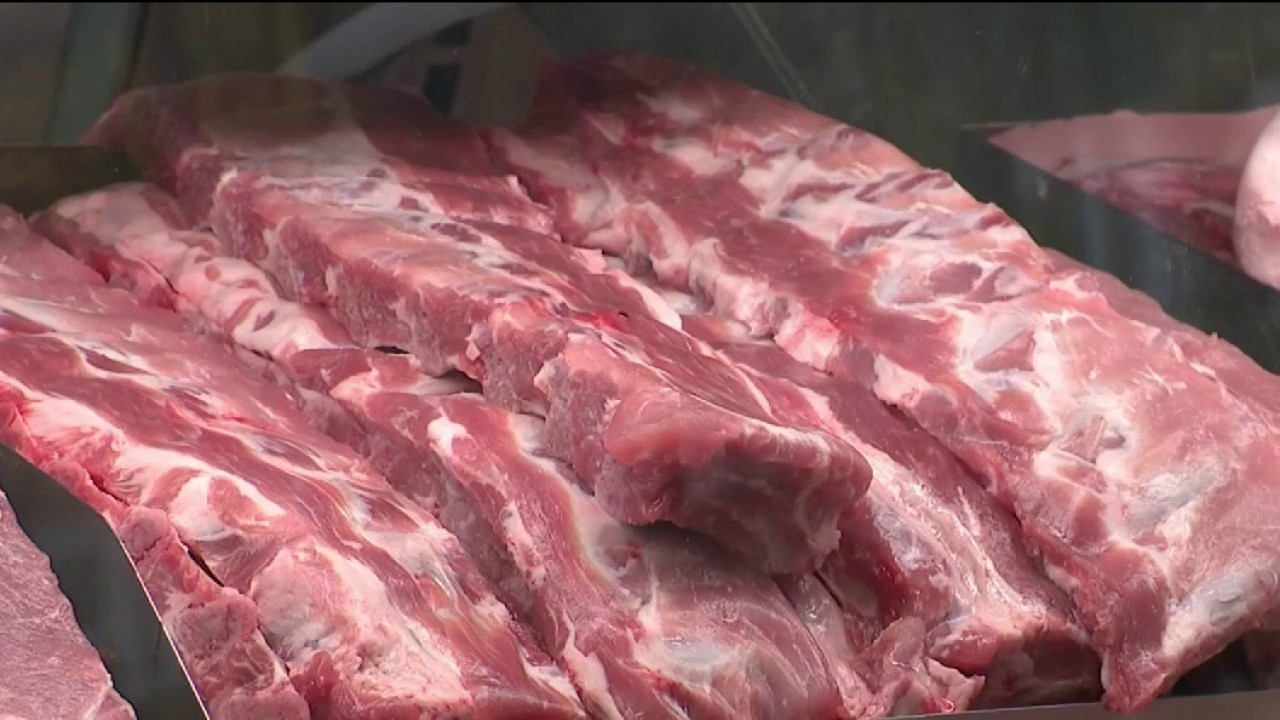
A class action lawsuit has been filed against several major beef processors in the United States, alleging that they colluded to manipulate market competition. The lawsuit, which demands a settlement of $87 million, claims that these companies agreed to limit competition, ultimately resulting in inflated prices for consumers.
The allegations suggest that the processors coordinated their actions, leading to higher prices that consumers paid at the grocery store. This legal action highlights significant concerns regarding the integrity of the meat manufacturing industry and its impact on market dynamics. The antitrust claims are particularly serious, given the vital role that fair competition plays in ensuring reasonable prices for consumers.
Details of the Lawsuit
According to court documents filed in a federal court, the lawsuit accuses these beef processors of engaging in anti-competitive practices. The complaint outlines how the companies allegedly agreed to limit their production capacities and share market information, effectively reducing competition. This collusion is believed to have led to inflated prices for beef products across the nation.
The plaintiffs, representing a large group of consumers, argue that they have been financially harmed by these actions. They claim that the prices they paid for beef were artificially high due to the lack of competition in the market. If successful, the lawsuit could potentially lead to a significant financial settlement for affected consumers.
Implications for the Industry
The outcome of this lawsuit could have far-reaching implications for the meat processing industry. If the courts find in favor of the plaintiffs, it may prompt stricter regulations and oversight of the market. Moreover, it could encourage other consumers who believe they have been harmed by similar practices to come forward.
Legal experts suggest that the case underscores the importance of maintaining competitive practices in the industry. With rising consumer awareness regarding pricing practices, this lawsuit may serve as a wake-up call for manufacturers to adhere to fair competition standards.
As the legal proceedings unfold, consumers and industry stakeholders alike will be closely monitoring the situation. The implications of this case extend beyond just financial restitution; they speak to broader concerns about consumer rights and corporate responsibility in the food production sector.
In conclusion, the class action lawsuit against these beef processors represents a significant challenge for the industry. With March 2024 marking a critical point in the proceedings, the outcome could redefine how meat manufacturing companies operate and interact with consumers.