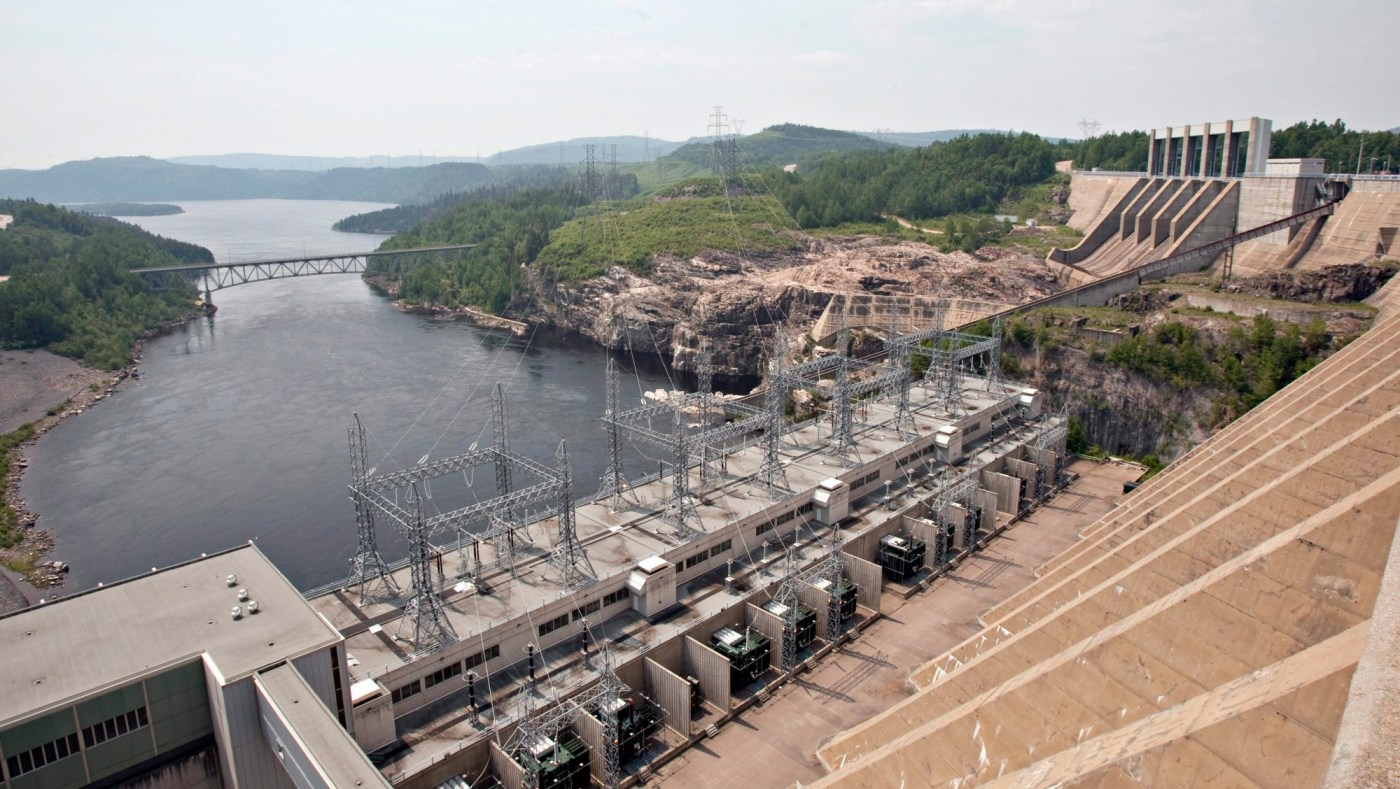
Residents of Massachusetts are grappling with soaring energy bills, which have become a pivotal concern in the state’s cost of living debate. A recent poll by Suffolk University revealed that over 20% of respondents identified utility bills as the single most significant strain on their household budgets. As discussions intensify on Beacon Hill, state officials are promoting the long-anticipated hydro-powered electricity from Quebec as a solution to alleviate this financial burden.
The New England Energy Connect (NECEC) project, initiated in 2017 during the administration of former Governor Charlie Baker, has encountered numerous regulatory challenges and cost overruns. Despite these hurdles, the project is now set to be one of the largest power sources in the region. It is designed to deliver 1,200 megawatts of hydropower to Massachusetts over a span of 20 years, aiming to supply approximately 20% of the state’s electricity needs.
While the project’s proponents highlight its potential benefits, including a projected $3 billion in net benefits for Massachusetts energy customers and an annual reduction of $50 million in ratepayer bills, the reality may be less promising. The anticipated savings for individual customers amount to a modest $18 to $20 annually throughout the contract’s duration.
Avangrid, the parent company behind the NECEC, claims the project will also contribute significantly to environmental goals by reducing carbon emissions by 3.6 million metric tons each year, equating to the removal of 700,000 cars from the road. Hydro-Quebec, which is responsible for generating this power, utilizes a vast network of lakes and rivers across 22% of its land area to produce hydropower.
Despite these environmental benefits, concerns linger regarding the reliability of Quebec’s hydropower output. A recent Boston Globe column raised questions about the actual volume of electricity that Massachusetts and other New England states will receive, particularly in light of ongoing drought conditions in Quebec. Over the past three years, severe drought has led to diminished water supplies, prompting the grid operator ISO New England to note that the existing Phase II power line has been exporting electricity to Quebec rather than importing it.
Recent data from Esri Canada indicates that as of early 2024, approximately 86% of Canada’s Central Region, including Quebec, is classified as experiencing drought conditions. This places Hydro-Quebec in a challenging position, as it must prioritize its domestic energy needs while also fulfilling commitments to the NECEC and a new power line set to open in New York state.
The implications of these challenges raise significant concerns for Massachusetts ratepayers. Without a stable supply of hydropower, the promised benefits of the NECEC project could fall short. Observers like Dan Dolan, president of the New England Power Generators Association, have voiced apprehensions about Quebec’s future ability to meet its energy commitments. Data tracked by NEPGA shows a decline in electricity imports from Canada, with peak levels occurring in 2017 and a subsequent drop exacerbated by the ongoing drought.
The legislative push for clean energy in Massachusetts, which culminated in the passage of a clean-energy bill by a Democrat-dominated Legislature in 2016, aimed to secure long-term contracts with Hydro-Quebec through the state’s investor-owned utilities, including Eversource, National Grid, and Unitil. Critics of the NECEC, including previous editorials, highlighted the potential risks associated with climate change affecting hydropower reliability. California’s experience, where hydroelectricity dropped from 15% to around 7% during significant drought years, serves as a cautionary tale that cannot be ignored.
As Massachusetts prepares to integrate Quebec’s hydropower into its energy mix, the path forward remains uncertain. The potential environmental benefits and the project’s capacity to ease the financial strain on households will depend largely on the unpredictable realities of climate change and water availability in Quebec. Ratepayers may find themselves facing continued financial challenges, even as the promise of clean energy looms large on the horizon.