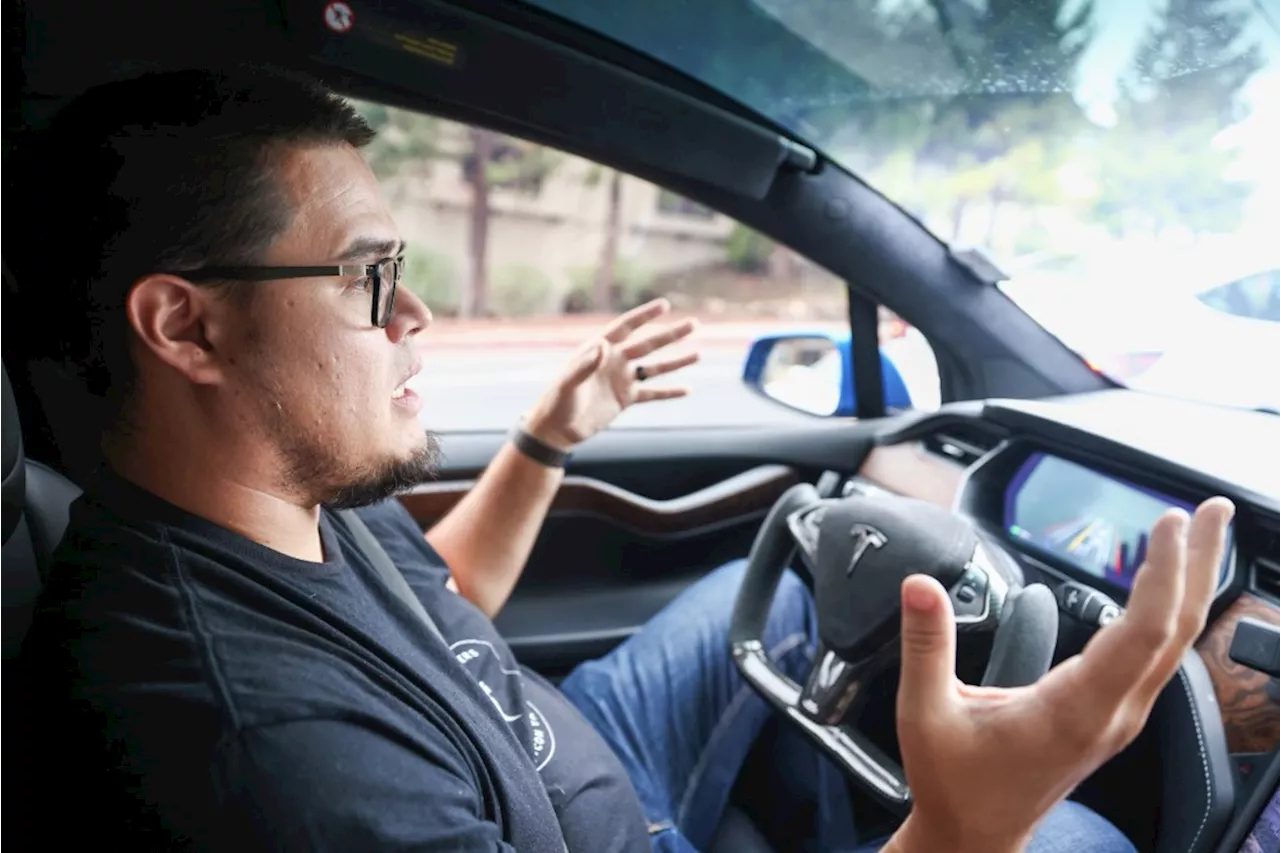
Lemonade, an AI-driven insurance company, has announced the introduction of reduced insurance rates for Tesla drivers utilizing the Full Self-Driving (FSD) system in **Arizona** and **Oregon**. The new pricing model reflects a lower per-mile rate, which Lemonade attributes to decreased risk based on extensive data analysis. This offering marks a significant step for the insurance industry, as companies adapt to advancements in automotive technology.
The announcement comes on the heels of a U.S. safety investigation into Tesla’s FSD technology. The National Highway Traffic Safety Administration (NHTSA) is currently reviewing the safety implications of the FSD system, which has faced scrutiny regarding its performance in various driving conditions. Despite this investigation, Lemonade has moved forward with its initiative, indicating confidence in the safety benefits provided by FSD.
Lemonade’s approach highlights a growing trend in the insurance sector where data-driven insights dictate pricing models. By leveraging real-time data from the FSD system, Lemonade aims to offer competitive rates that reflect the actual risk associated with autonomous driving. This innovative pricing structure could encourage more Tesla owners to adopt FSD features, potentially leading to a broader acceptance of autonomous driving technologies.
In a statement, Lemonade’s CEO, **Daniel Schreiber**, noted the importance of adapting to technological advancements in the automotive sector. “Our new rates are designed to reward Tesla drivers who are embracing the future of driving with FSD,” he said. “By using data effectively, we can provide fairer pricing that reflects the safety benefits of this technology.”
The implications of this pricing strategy extend beyond individual consumers. If successful, it could prompt other insurance providers to reconsider their policies related to advanced driving technologies. As more companies assess the impact of data on risk assessment, the landscape of automotive insurance may undergo significant changes.
As the investigation into Tesla’s FSD continues, both consumers and industry analysts will be closely monitoring the outcomes. The potential for lower insurance costs could serve as a powerful incentive for Tesla owners to utilize FSD features more extensively. Furthermore, positive findings from the investigation could bolster public confidence in autonomous driving technologies, paving the way for wider adoption.
In summary, Lemonade’s initiative to offer lower insurance rates for Tesla drivers utilizing Full Self-Driving technology illustrates a progressive shift in the insurance industry. By aligning pricing with data-driven risk assessments, Lemonade sets a precedent that could influence future insurance models as the automotive landscape evolves. As this story develops, stakeholders will be keen to see how regulatory findings impact both the insurance and automotive sectors.