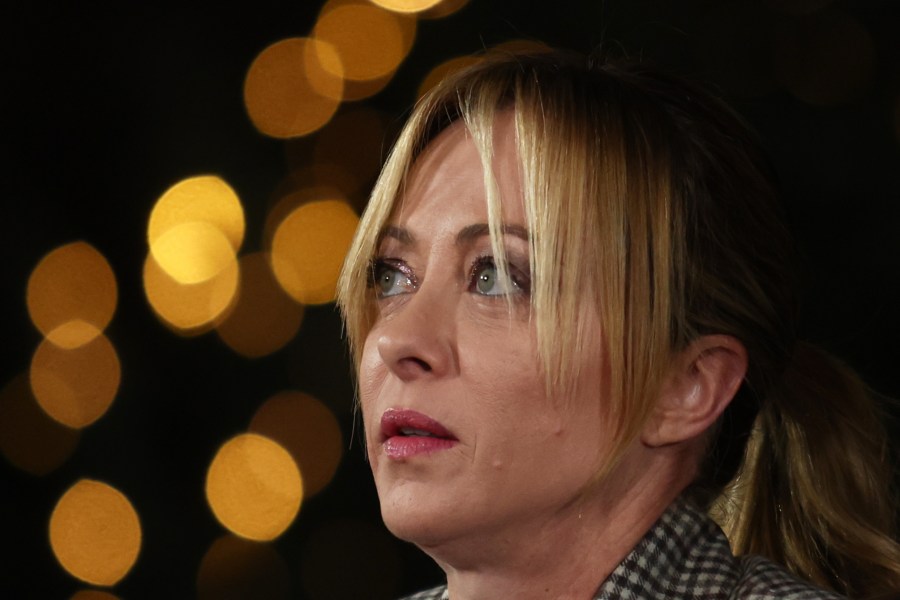
Italian Prime Minister Giorgia Meloni indicated on June 5, 2024, that Italy may withhold its support for the proposed free trade agreement between the European Union (EU) and the South American trade bloc Mercosur. This announcement adds uncertainty to the deal as EU leaders convene in Brussels for a critical summit.
Meloni expressed her concerns during a press briefing, highlighting the need for the agreement to include revisions that would protect Italian agricultural interests. Farmers in Italy have voiced strong opposition to the deal, fearing that increased imports from South America could undermine local production and lead to financial losses.
As the summit approaches, tensions are palpable. Demonstrators representing the farming community have gathered outside the summit location in Brussels, advocating for stronger protections against foreign competition. Their presence underscores the growing discontent among European farmers regarding potential changes to trade policy.
The EU-Mercosur agreement, which aims to create one of the world’s largest free trade zones, has been under negotiation for over two decades. While it promises to enhance trade relations and economic growth, critics argue that it might threaten local industries and environmental standards.
Italy’s position could significantly influence the future of this trade agreement. If Italy, one of the EU’s key member states, withdraws its support, it may hinder the ratification process. Other member states are likely to take note of Italy’s stance, making it essential for EU leaders to address the concerns raised.
The ongoing discussions highlight the broader implications of global trade agreements on local economies. As nations strive to balance economic growth with the protection of domestic industries, the outcome of the EU-Mercosur deal remains uncertain.
In the coming days, the focus will be on how EU leaders respond to Italy’s warnings and whether they can find a compromise that satisfies both economic ambitions and local agricultural needs.