Florida lawmakers are voicing strong opposition to a proposal by former President Donald Trump to expand offshore oil drilling along much of the United States’ coastline. This response marks a significant moment as officials from both political parties in Florida express concern over the environmental and economic implications of drilling, particularly in the eastern Gulf of Mexico.
Prominent voices such as Rep. Vern Buchanan (R-Fla.) have articulated the risks, emphasizing that “it affects tourism and more importantly, it’s just bad for the environment.” Similarly, Sen. Ashley Moody (R-Fla.) labeled the plan “HIGHLY concerning.” The eastern Gulf, which has never hosted producing wells, remains a critical area for both ecological health and the tourism industry.
Environmental and Economic Risks of Offshore Drilling
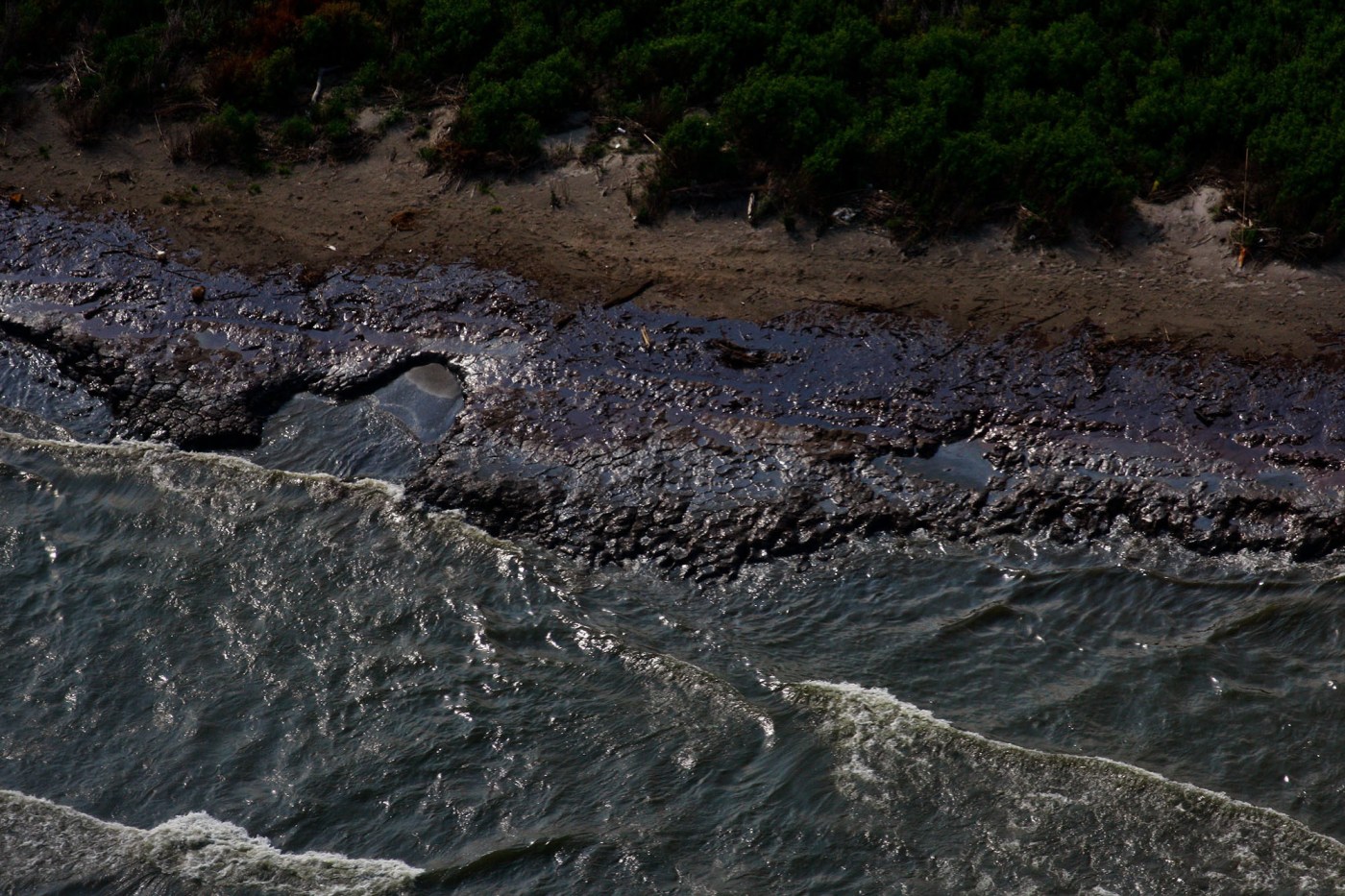
The stakes are high for Florida, where coastal ecosystems serve as vital economic engines. The threat of oil spills poses an existential risk to beaches and estuaries, which attract millions of visitors each year. According to estimates, the 2010 BP Deepwater Horizon disaster, which occurred over a hundred miles from Florida, resulted in over $3 billion in damages to the state’s economy, highlighting how far-reaching the impacts of offshore drilling can be.
Elise Bennett, Florida and Caribbean director at the Center for Biological Diversity, urges lawmakers to expand their focus. She argues that the response should not be limited to protecting Florida’s immediate waters. “It’s naive to think that just drawing a boundary around our state will keep us safe,” Bennett asserts, calling for a united front against all offshore drilling initiatives.
The current climate crisis exacerbates the urgency of this issue. Florida experiences extreme heatwaves and marine heatwaves that are detrimental to ocean life. Recently, two coral species critical to Florida’s reefs—elkhorn and staghorn—were declared “functionally extinct” in the Florida Keys. The loss of these corals not only impacts marine biodiversity but also increases the vulnerability of Florida’s coast to flooding and storm damage.
Broader Implications and Calls for Renewable Energy Investment
While Florida has managed to avoid severe hurricane damage this season, memories of past storms linger. The destructive impacts of hurricanes like Helene and Milton remind residents of the need for preparedness against increasingly intense weather events driven by climate change. Sunny-day flooding in cities like Miami is worsening, necessitating significant investments in infrastructure and adaptation strategies.
The relationship between fossil fuel production and climate change is clear. Bennett emphasizes that halting drilling is crucial, advocating for a shift towards renewable energy sources as a solution to ongoing environmental challenges.
Florida’s elected officials are right to voice their concerns regarding offshore drilling. However, advocating for the Gulf Coast and extending this opposition to states like Alaska and California is essential. The call to action includes resisting Trump’s plan to auction off ocean resources for fossil fuel extraction, reinforcing the need for a collective stance against expanded offshore drilling.
Bennett concludes that the fight against climate change cannot be fought in isolation. A unified approach is necessary to secure a sustainable future for Florida and beyond.
As discussions continue, the pressure is on lawmakers to prioritize the long-term health of Florida’s environment and economy over short-term political gains.