In the wake of the Eaton and Palisades fires, fire survivors in California are beginning to see a vision for their rebuilt communities. A year after the devastating January wildfires, a surge of grassroots real estate initiatives is emerging, aimed at helping residents reimagine their futures. Although many families lost their homes, these ventures provide a glimpse into potential architectural styles and solutions that align with the unique character of affected neighborhoods.
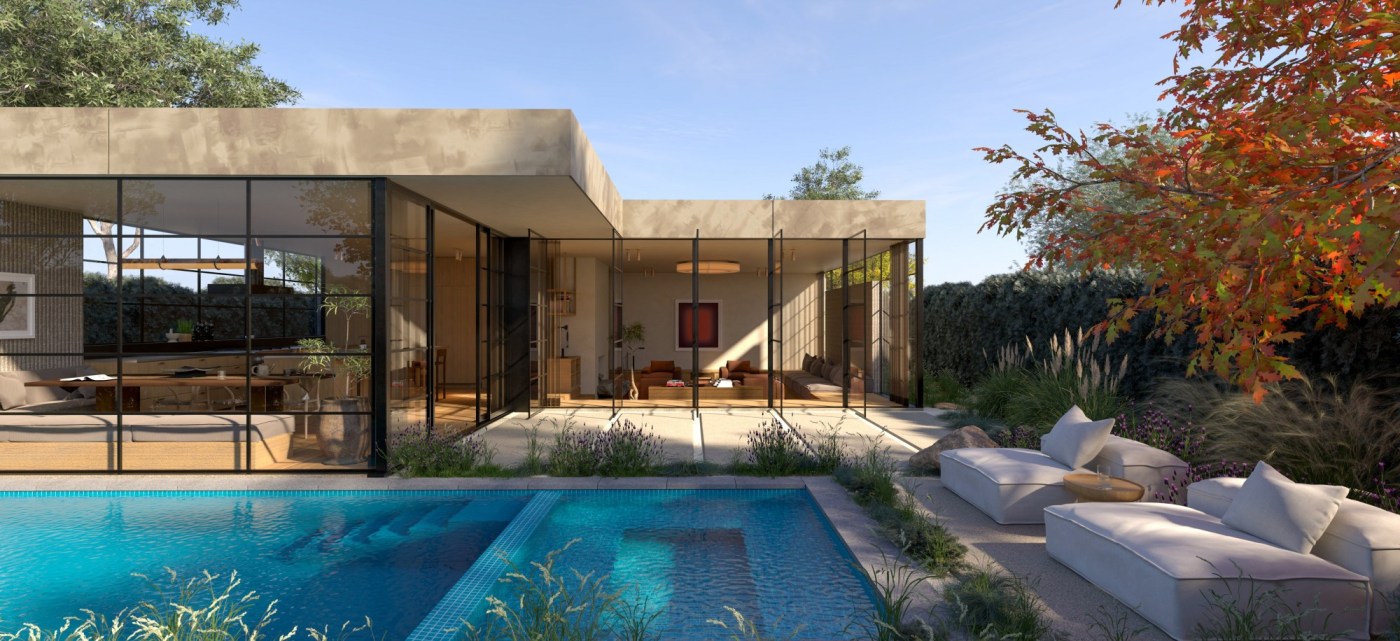
The rebuilding process is not only about replacing lost structures but also about reviving the architectural identity of towns like Altadena. Efforts include relocating historic homes, constructing factory-built models, and offering pre-approved plans. Some designs embrace traditional styles like Craftsman and Spanish-Colonial, while others lean towards modern and minimalist aesthetics.
Innovative Approaches to Rebuilding
As part of the recovery, local builders and architects are innovating to streamline the rebuilding process for fire survivors. For instance, the Historic House Relocation Project, spearheaded by Morgan Sykes Jaybush of Omgivning architecture firm, focuses on relocating homes slated for demolition. Jaybush notes that Los Angeles has a historical precedent for moving homes and argues that this approach is both sustainable and cost-effective. He stated, “It’s the most sustainable way to rebuild, by not throwing an entire house into the landfill.”
On August 5, 2025, a 1910 Craftsman home was saved from demolition in Los Feliz, with plans to relocate it to a vacant lot in Altadena. The home, which spans 3,600 square feet, is being transported in sections, showcasing the community’s dedication to preserving its architectural heritage.
Another significant initiative is the Steadfast LA Foundation’s Modular Housing Initiative. Businessman Rick Caruso partnered with the prefab company Samara to offer affordable modular housing for low-income residents displaced by the fires. Samara’s co-founder, Joe Gebbia, pledged $15 million to provide around 50 free, factory-built homes. These homes range from 420-square-foot studios to larger two-bedroom units, aiming to keep communities intact and provide immediate housing solutions.
Collaborative Efforts Enhance Community Resilience
The Foothill Catalog Foundation, founded by architects Alex Athenson and Cynthia Sigler, is another organization dedicated to preserving Altadena’s unique architectural character. The foundation offers pre-approved designs that reflect historical styles, ensuring that new homes blend seamlessly into the community’s fabric. Their collaboration with Habitat for Humanity is paving the way for 25 rebuilds over the next year, supported by a $4.55 million grant from the Pasadena Community Foundation.
Additionally, the Builders Alliance has emerged as a comprehensive resource for displaced residents. This nonprofit organization provides a digital platform that simplifies the rebuilding process. With just an address, residents can access a library of pre-approved home plans, making it easier to find solutions that meet their specific needs. Adrian Foley, president of Brookfield Residential, highlighted the alliance’s goal: “It is a one-stop shop, it is a clear path to a decision and removes a lot of the complexity.”
As of mid-December, the Builders Alliance reported over 4,000 unique visits to its platform, indicating strong community interest in rebuilding efforts. The combination of innovative designs, sustainable practices, and community support is essential as residents navigate the challenging path to recovery.
In summary, after a year of loss and uncertainty, the collaborative efforts of local builders, architects, and nonprofits are helping fire survivors in California rebuild not just their homes but also their sense of community. The focus on sustainability, affordability, and preserving historical character is setting a hopeful tone for the future of the affected neighborhoods.