California’s Democratic leaders are advocating for a wealth tax aimed at billionaires, seeking to address a significant budget deficit that has reached multibillion-dollar levels. The proposed tax would impose a one-time 5% levy on individuals with a net worth exceeding $1 billion, impacting approximately 200 residents in the state. This initiative, which would require voter approval through a ballot proposition in November 2026, aims to generate funds for critical services, including healthcare and childcare.
The tax would be retroactive, applying to anyone who was a California resident as of January 1, 2026. Furthermore, it would encompass worldwide assets, raising questions about its feasibility and legality, particularly concerning funds not generated within California. Wealthy Californians, including notable figures such as Google co-founder Larry Page and PayPal co-founder Peter Thiel, have expressed their concerns, with Thiel indicating he may relocate should a 1% tax on billionaires for five years be enacted to fund healthcare for working-class residents facing cuts to Medicaid.
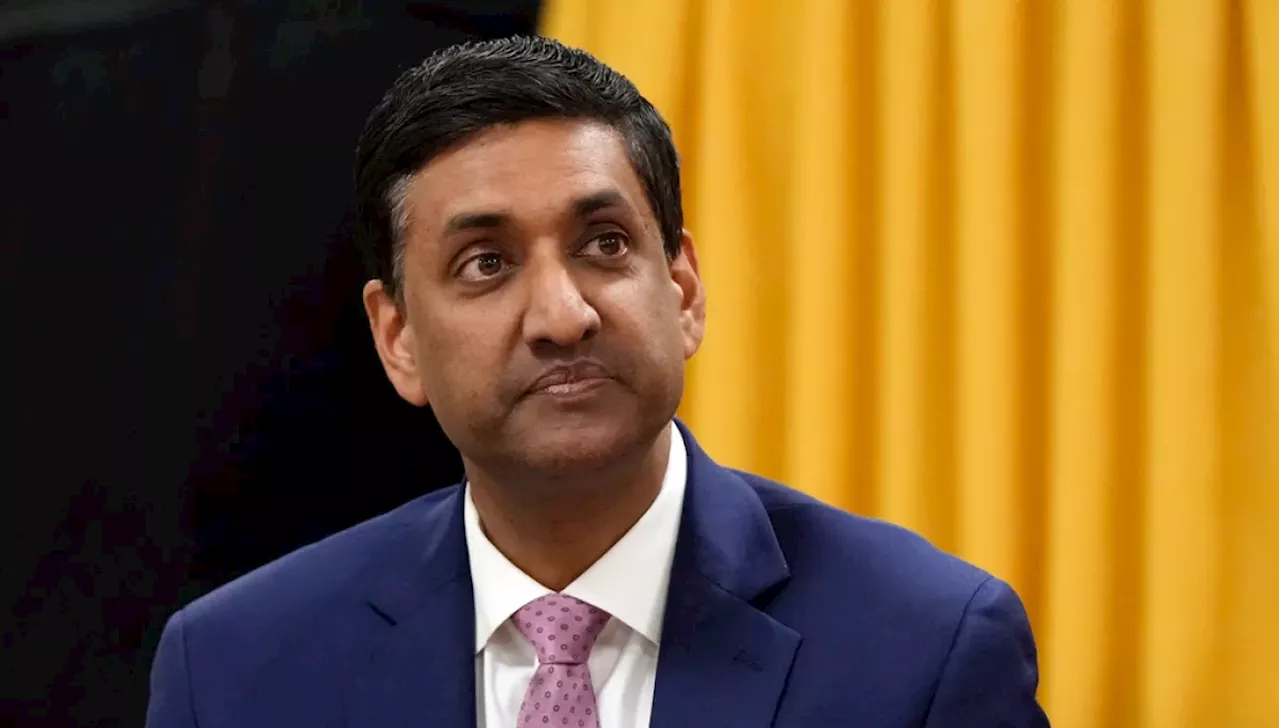
Critics argue that this move towards a wealth tax is more akin to wealth confiscation than a temporary financial solution. Current budgetary concerns are exacerbated by California’s projected deficits of $17 billion next year and $35 billion the following year. Proponents, including Representative Ro Khanna, contend that increased funding is needed for essential services despite the state’s budget exceeding $320 billion.
There are significant implications for California’s economy should wealthy residents choose to leave in response to the tax. The potential exodus of billionaires could result in the loss of jobs and taxable income, further straining the state’s financial resources. Critics assert that the legality of retroactive taxation will likely face challenges in court, raising concerns about the sustainability of funding through such measures.
As California grapples with its financial challenges, the debate around taxation continues to intensify. The proposed wealth tax reflects broader tensions over fiscal responsibility and resource allocation in a state that has long been a hub for innovation and wealth generation. Advocates for fiscal reform argue that the state must seek alternative funding solutions rather than relying heavily on the wealthy, who are increasingly viewing the state’s tax policies with skepticism.
In summary, California’s current budgetary strategies and proposed wealth tax have sparked significant discussion regarding the future of its economy and the implications for its residents. As decisions are made, the impact on everyday Californians remains a critical point of consideration.