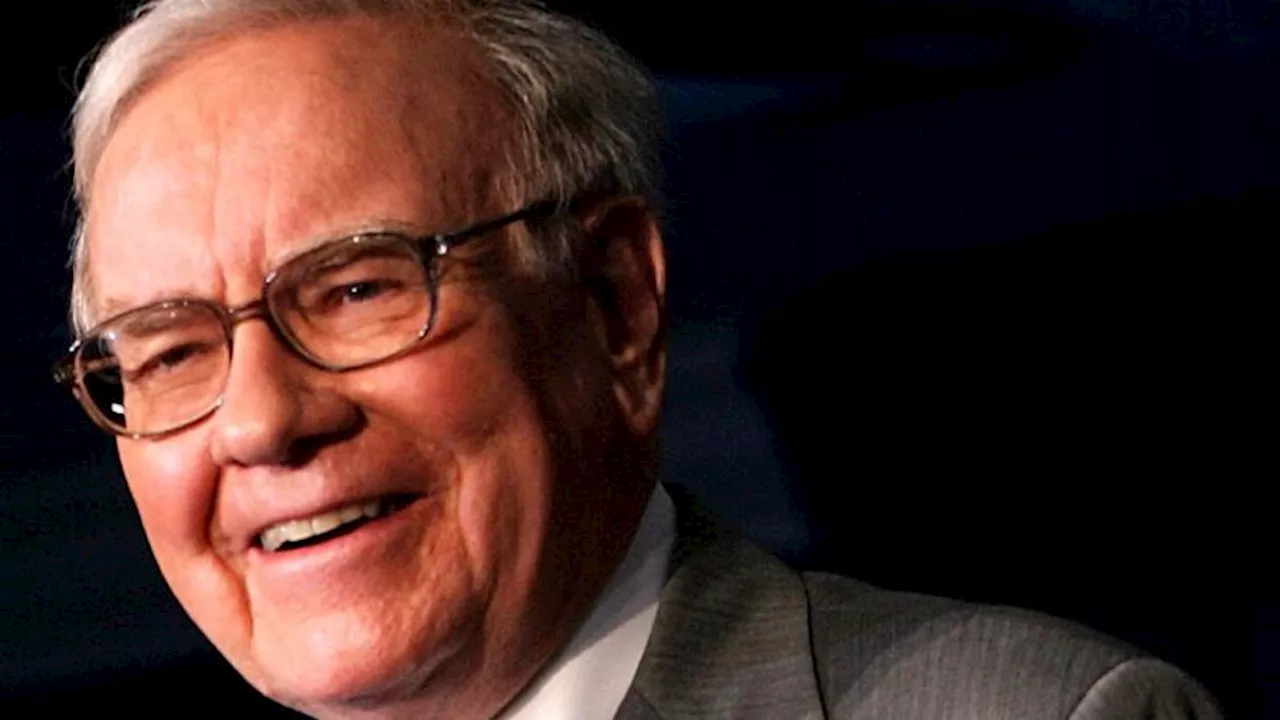
Warren Buffett, the esteemed billionaire investor and long-time CEO of Berkshire Hathaway, has officially stepped down from his role after decades of leadership. This transition marks a significant moment not only for the company but also for the broader business community, as many leaders reflect on the lessons they have learned from Buffett’s remarkable career.
Buffett, often referred to as the “Oracle of Omaha,” is renowned for his investment acumen and down-to-earth wisdom. As he hands over the reins to Greg Abel, his successor, numerous CEOs and business leaders are sharing insights drawn from Buffett’s philosophy. His principles, articulated through memorable quotes such as, “Rule No. 1: Never lose money. Rule No. 2: Never forget Rule No. 1,” continue to resonate in the corporate world.
In a recent interview with The Wall Street Journal, Buffett discussed his approach to investing and business strategy, emphasizing the importance of patience and long-term planning. His ability to identify undervalued companies and commit to them for the long haul has inspired countless business leaders to adopt similar strategies.
Many executives cite Buffett’s focus on ethical investment and corporate responsibility as vital takeaways. His commitment to transparency and integrity has set a standard that many aspire to emulate. As Lisa Johnson, CEO of a leading tech firm, noted, “Warren taught us that investing is not just about numbers; it’s about values and vision.”
As Buffett concludes his tenure, his legacy extends beyond financial metrics. His annual letters to shareholders have become a treasure trove of wisdom on navigating economic cycles and the intricacies of market behavior. These letters have not only influenced individual investors but have also shaped the decisions of corporate leaders around the globe.
Transitioning to new leadership, Greg Abel faces the challenge of maintaining Buffett’s foundational principles while steering Berkshire Hathaway into the future. Abel, who has been with the company for over two decades, is expected to uphold the values that Buffett instilled, ensuring a smooth transition for investors and employees alike.
While Buffett’s exit is a pivotal moment for Berkshire Hathaway, it is also a time for reflection within the business community. Leaders are taking this opportunity to ponder their own management styles and the lessons learned from Buffett’s guiding philosophy.
In addition to his investment strategies, Buffett’s approach to personal finance and philanthropy has left a lasting impression. His belief in giving back to society, exemplified through his commitment to the Giving Pledge, encourages other billionaires to contribute to global challenges. This ethos continues to inspire a new generation of entrepreneurs and philanthropists.
As business leaders celebrate Buffett’s contributions, they also look forward to the future under Abel’s stewardship. The transition is not just a change in leadership; it is a moment for reflection on the profound impact one individual can have on countless lives and the global economy.
In summary, as Warren Buffett retires from his role at Berkshire Hathaway, his influence remains deeply embedded in the fabric of business. The principles he championed will undoubtedly guide future leaders as they navigate the complexities of the business world.