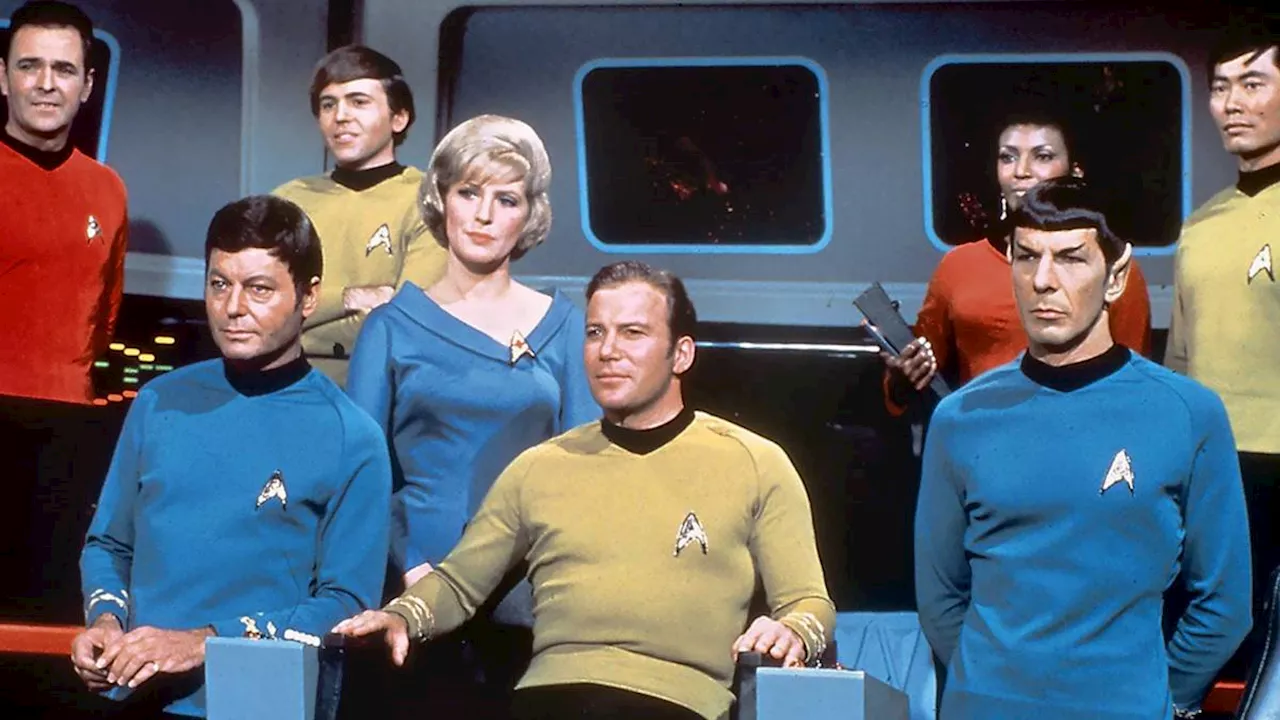
Fans of “Star Trek: The Original Series” often cherish specific episodes for their unique storylines and themes. Among them, “Shore Leave,” which first aired in 1966, is remembered for its imaginative premise and colorful characters. However, as time passes, some viewers find it increasingly challenging to appreciate the episode through the lens of contemporary values.
In “Shore Leave,” the USS Enterprise arrives at a seemingly deserted planet in the Omicron Delta system. After three months without a break, Captain James T. Kirk allows crew members to take shore leave, pending safety confirmations. As the episode unfolds, characters like Dr. Leonard McCoy and Lieutenant Sulu encounter whimsical elements reminiscent of Alice in Wonderland. A white rabbit, samurai warriors, and even a knight on horseback populate the landscape, creating a fantastical setting that captivates young viewers.
For many children, including the author of this retrospective, “Shore Leave” was a thrilling adventure. The rapid shifts between scenes and themes provided endless excitement. Sulu discovers an antique revolver, while Kirk faces off against an old rival, Finnegan, delivering action-packed moments that engage young imaginations. The concept of a planet where anything imagined can materialize is particularly appealing to children, making the episode feel like an amusement park ride.
Yet, as adults revisit “Shore Leave,” the episode reveals significant narrative and thematic flaws. The originally penned script by science fiction writer Theodore Sturgeon aimed to explore the importance of fantasy in relaxation. However, network concerns over its surreal elements led to extensive rewrites, resulting in a disjointed story that lacks a cohesive message.
The episode’s lightheartedness masks deeper issues. Characters’ interactions, including those of Yeoman Barrows and Don Juan, raise troubling questions about consent and agency. A scene in which Barrows is attacked instead of engaged romantically is particularly jarring, highlighting a perspective that feels outdated and problematic today.
Reflecting on the episode’s message, the notion that the planet’s creations stem from the crew’s desires poses ethical dilemmas. If the planet reflects the characters’ wants, what does it imply about Barrows’ experience? Such themes, which may have gone unnoticed in childhood, now resonate with a stark clarity that challenges the episode’s initial charm.
While “Shore Leave” has its merits in creativity and imagination, it struggles to withstand scrutiny through a modern lens. The delightful escapism it offers to children is accompanied by troubling implications that cannot be ignored by today’s audiences. This episode, once a beloved favorite, serves as a reminder of how perceptions evolve over time, urging viewers to engage critically with beloved classics.