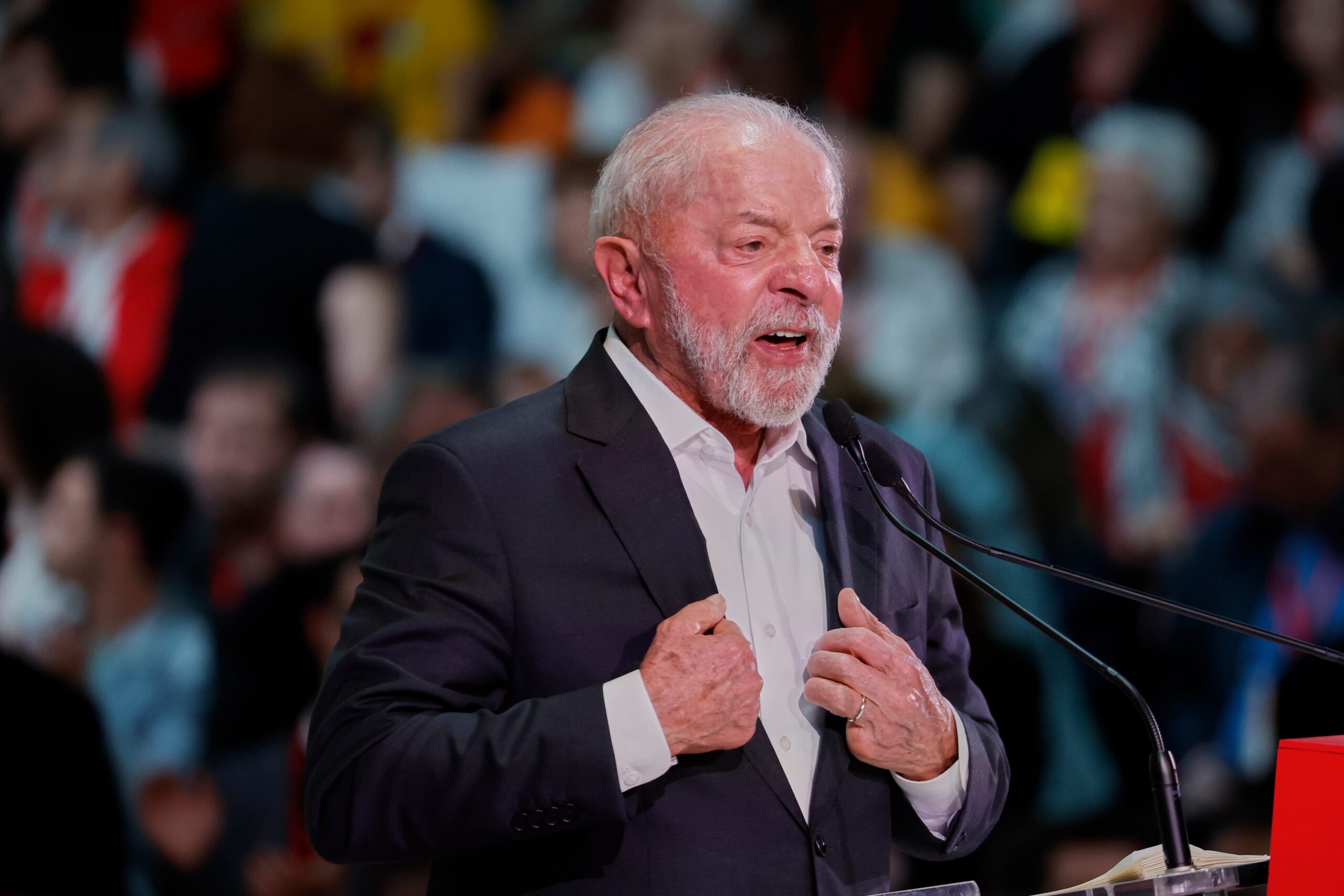
Brazil’s Lula Arrives in Washington for High-Stakes Meeting with Trump
Brazilian President Luiz Inácio Lula da Silva has landed in Washington, D.C., preparing for a pivotal meeting with U.S. President Donald Trump that could reshape trade and security ties between the two nations. Their talks, scheduled for today at the White House, are laser-focused on easing tariff tensions and ramping up cooperation against organized crime.
Brazil’s Finance Minister Dario Durigan confirmed on Wednesday that Lula aims to protect Brazilian citizens while fostering a “constructive dialogue” with the U.S. administration. “Expectations for the trip are very positive,” Durigan told Brazil’s state broadcaster, signaling a possible thaw after last year’s turbulent bilateral relations.
Tariffs and Trade: Addressing Last Year’s Economic Strains
The Trump administration’s imposition of a 50% tariff on Brazilian goods in response to the prosecution of former President Jair Bolsonaro over coup plot allegations threw their trade relationship into crisis. Lula defended Brazil’s sovereignty fiercely, a move that eventually led Trump to ease these tariffs as he sought to reduce costs for American consumers.
The upcoming meeting reflects ongoing efforts to mend fences that began with informal encounters at the United Nations General Assembly last September and private talks in Malaysia in October. According to international relations expert Ana Garcia at the Rural Federal University of Rio de Janeiro, Brazil’s nuanced approach to the tariffs “likely raised the country’s leverage,” even as the Trump administration keeps pressure on Brazil for concessions.
Cooperation on Organized Crime Under Scrutiny
One of the most volatile topics expected in talks is the U.S. consideration to designate Brazil’s largest criminal factions—the Red Command (CV) and the First Capital Command (PCC)—as foreign terrorist organizations. This controversial move would significantly enhance U.S. authority to intervene politically and economically in Brazil’s internal affairs.
“It’s a defensive issue for Brazil that doesn’t serve Brazil’s interests at all,” said Leonardo Paz Neves, an international relations professor at the Getulio Vargas Foundation.
A Brazilian official, speaking anonymously, reported both nations appear committed to deepening collaborative efforts against organized crime rather than pursuing unilateral paths.
Strategic Resources and Industrial Growth on the Table
Access to Brazil’s vast rare earth minerals reserves, the world’s second-largest, will likely be a critical agenda item. These minerals are essential for products ranging from smartphones and electric vehicles to solar panels and jet engines.
Dario Durigan emphasized Brazil’s goal goes beyond merely exporting raw materials: “Countries in the global north … are thirsty for this raw material. While foreign investment is welcome, we want industrial development within Brazil: creating jobs in partnership with our universities.”
Lula Faces Domestic Political Challenges Ahead of Crucial Talks
The 80-year-old president arrives amid mounting political pressures in Brazil. Last week, Congress dealt him significant setbacks by overriding his veto on a law that would have reduced the prison term for Bolsonaro and by rejecting his Supreme Court nominee, a rare political blow in over a century.
Lula, who is seeking a fourth, nonconsecutive presidential term in October, currently faces a tight electoral race against Bolsonaro’s son, Senator Flávio Bolsonaro. His dialogue with Trump is viewed as a strategic move to bolster Brazil’s international stature and economic prospects ahead of the elections.
What’s Next?
Watch for immediate outcomes from today’s White House meeting that could signal thawed trade tensions and a joint front on combating crime. The talks are also a critical test of how Washington and Brasília navigate shared challenges amid shifting geopolitical and domestic pressures.
For U.S. policymakers—especially in trade-sensitive regions like North Carolina—these developments could impact everything from import costs to supply chain security, making this a story with both international and immediate American implications.
Stay tuned to The NC Voice for updates as this story unfolds.