New Technology Turns Industrial CO2 Pollution Into Usable Raw Materials
Scientists at Northwestern and Stanford have developed a revolutionary system that transforms harmful industrial CO2 into vital building blocks for everyday products, from plastic to medicine. This breakthrough moves carbon recycling beyond living cells, using engineered enzymes in a cell-free setup to convert CO2 into acetyl-CoA, a key molecule that fuels energy production and material synthesis.
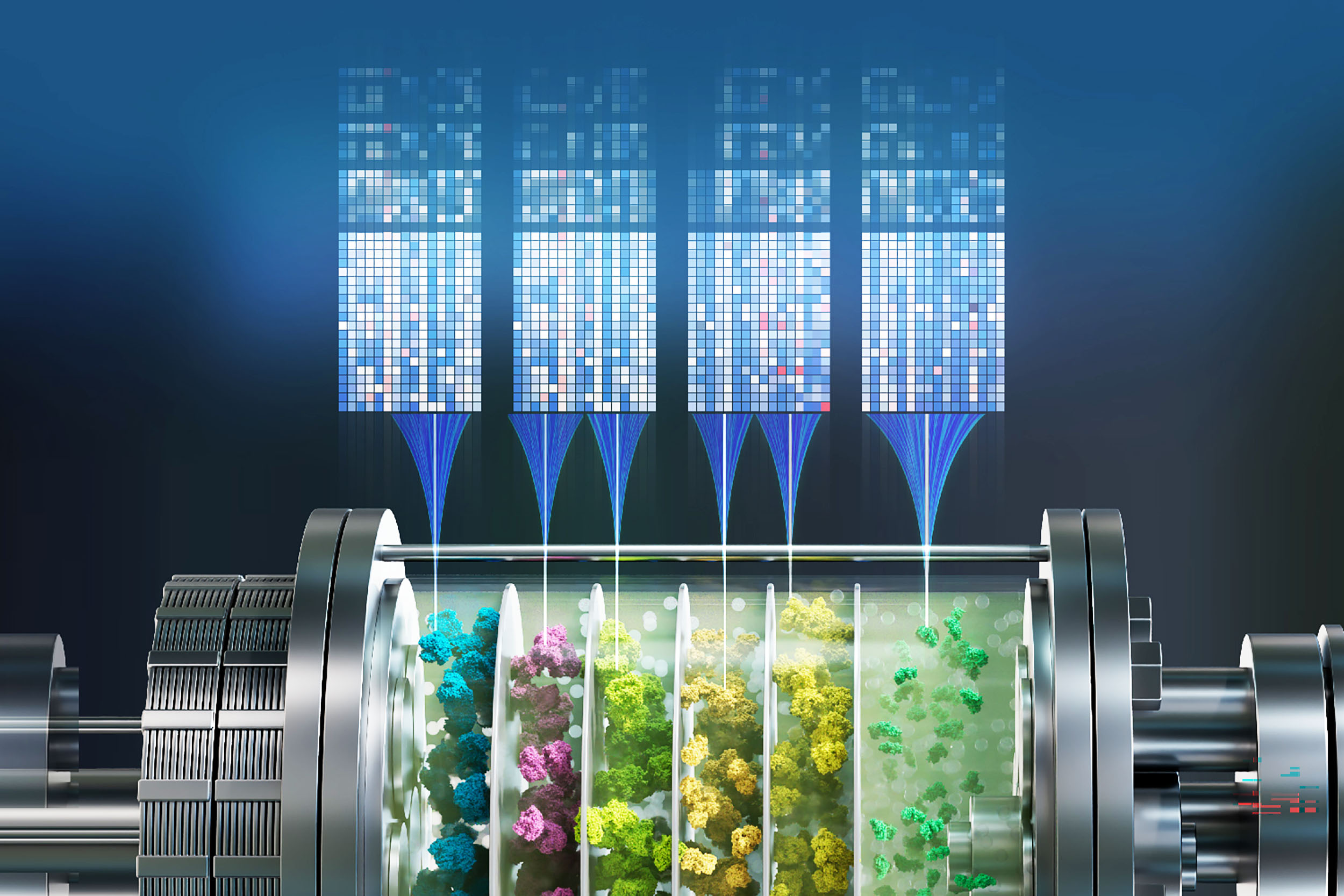
The novel process, named the Reductive Formate Pathway or ReForm pathway, was recently detailed in Nature. It combines electrochemistry with synthetic biology to recycle CO2 pollution into a liquid feedstock called formate, then assembles it into more complex chemicals that can make almost anything.
Why This Matters Right Now
As global temperatures have already risen by about 2.0°F since preindustrial times, the urgency for effective carbon capture and utilization technologies has never been greater. This system offers a promising “carbon-negative” manufacturing route, meaning it can remove more CO2 from the atmosphere than it emits, but only with clean electricity and efficient enzyme use.
Dr. Ashty Karim, who led the research at Northwestern, explained,
“The unabated release of CO2 has caused many pressing social and economic challenges for humanity. We critically need new routes to carbon-negative manufacturing of goods.”
Using a cell-free system lets researchers control every reaction precisely and avoid the limitations of living cells that must balance survival with chemical production.
How the ReForm Pathway Defies Nature
The team designed a synthetic metabolic chain involving six key steps to convert formate—derived from CO2 electrochemically—into acetyl-CoA. This molecule is a universal “starting point” for countless biological processes and industrial products.
The researchers screened 66 enzymes from various species outside of cells to find the best fits for each step. This rapid prototyping accelerated development and allowed the redesign of five enzymes to carry out nonnatural reactions not found in nature—essential to building carbon chains from formate.
Michael Jewett of Stanford, co-lead of the study, noted,
“This is the first demonstration of a synthetic metabolic pathway architecture that can use diverse carbon sources like formate, formaldehyde, and methanol.”
The hybrid system merges electrochemistry with biology to transform CO2 into stored chemicals efficiently, but challenges remain in scaling enzyme durability, reaction speed, and cost.
Implications for the United States and Beyond
For North Carolina and the U.S., this breakthrough could signal a future where industrial hubs convert their own CO2 pollution on-site into raw materials, slashing carbon footprints for plastics, fuels, and pharmaceuticals. While still in early stages, this innovation supports the expanding national push toward green manufacturing and clean energy use spearheaded by research universities in the region.
The research team plans to further refine enzyme performance and explore alternate reaction pathways. They emphasize that incremental improvements in efficiency and enzyme stability could vastly expand the technology’s impact.
What’s Next for Carbon Recycling Tech
Success will depend on using clean, renewable electricity to power CO2 reduction and enzyme reactions, alongside rigorous life-cycle assessments ensuring true carbon-negative outcomes. If commercialized, systems like ReForm could create a circular carbon economy, turning pollution into profit and materials without harming the planet.
Karim remarked,
“From here, we can imagine this work going in a couple of different directions.”
This marks a critical step forward in the urgent race to mitigate climate change by rethinking how we manufacture goods from the ground up, using carbon itself as the ultimate building block.
This study reveals fresh possibilities that transcend traditional bioengineering, signaling a new era of sustainable chemistry right now in laboratories—and with future promise to scale nationwide.
Stay updated with The NC Voice for ongoing coverage of clean tech breakthroughs shaping North Carolina and America’s green future.