New proposals to build a massive dam across the Bering Strait are drawing fresh attention amid growing climate turmoil, raising urgent questions about environmental and human impacts. Dutch researchers Jelle Soons and Henk A. Dijkstra recently published a study in Science Advances suggesting that such a megadam could prevent the collapse of critical Atlantic ocean currents and stabilize global climate patterns.
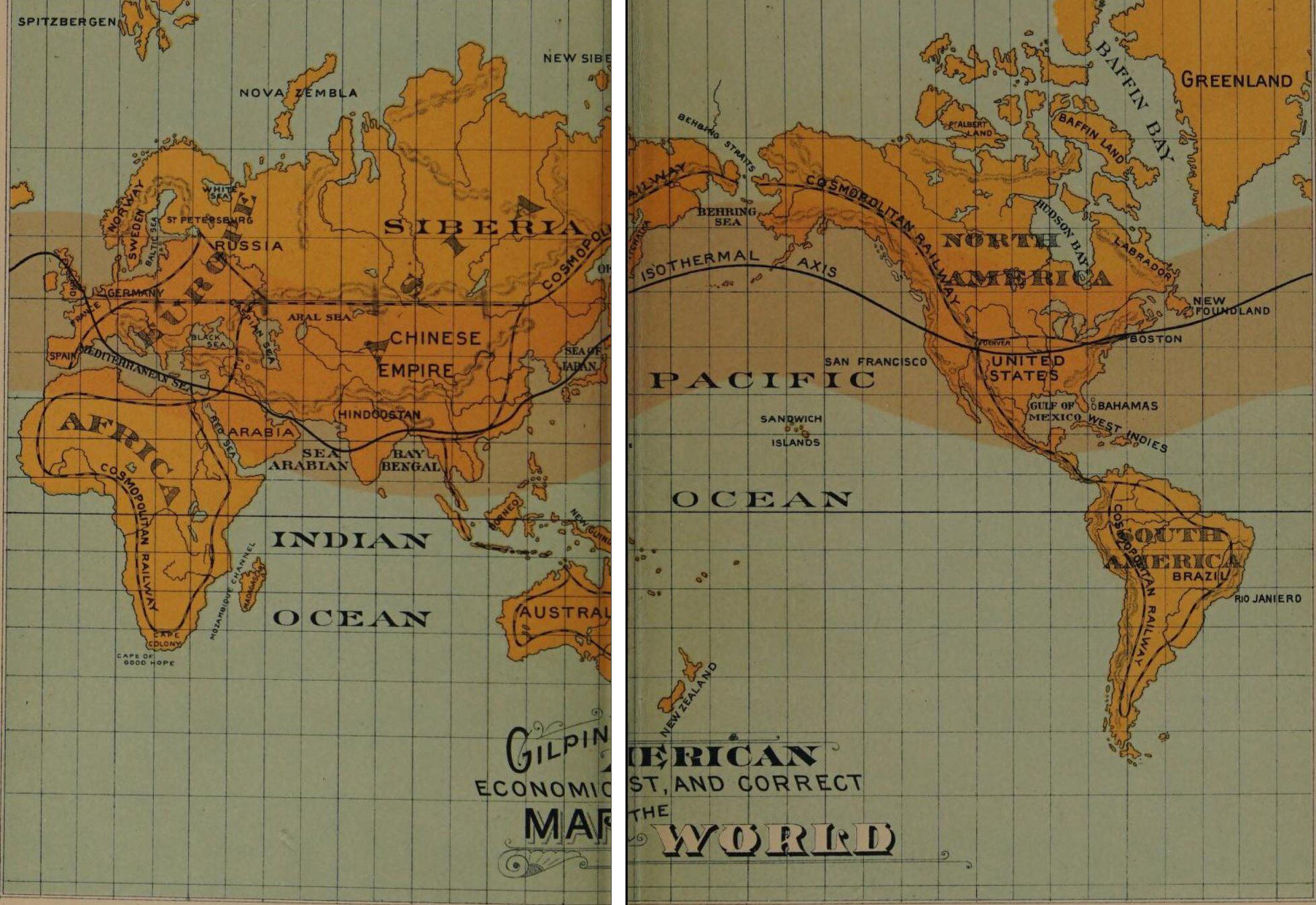
The idea, however, is not new. For over 160 years, ambitious but controversial schemes to reshape the Bering Sea and connect Asia and North America have surfaced repeatedly, often overlooking massive ecological and cultural consequences.
From 19th Century Telegraph Lines to 21st Century Climate Fixes
Back in 1861, engineers attempted the Russian-American Telegraph to link continents via the Bering Sea, a feat abandoned after the transatlantic cable succeeded. Nathaniel Shaler, a 19th-century Harvard geologist, proposed redirecting ocean currents to melt polar ice, echoing today’s climate engineering thoughts but without scientific rigor.
Fast forward to 1940, when electrical engineer Charles Steinmetz proposed literally destroying the Seward Peninsula to widen the Bering Strait and allow warm currents to flood the Arctic. His plan, which would have erased vast indigenous lands, was dismissed then but eerily mirrors modern geoengineering concepts.
New Study Sparks Debate Over Feasibility and Risks
The Soons and Dijkstra study frames the Bering Strait dam as a “proof of concept” for blocking cold water and maintaining the warming Atlantic Meridional Overturning Circulation (AMOC), crucial for temperate climates in North America and Europe. Yet, the paper offers no engineering details or assessments of biological, social, or geopolitical fallout.
Experts like Mark Serreze of the National Snow and Ice Data Center have called similar grandiose plans “a fool’s game” in the past, warning against underestimate of unintended consequences. “If geoengineering is ever necessary, I don’t want to be on the planet,” Serreze said in 2010, reflecting skepticism now echoed across scientific circles.
Megaprojects Have Undermined Indigenous Communities for Centuries
Many past megaprojects ignored the voices and rights of Inupiaq and Siberian Indigenous communities. Steinmetz and others trivialized the destruction of towns like Nome and multiple villages on the Seward Peninsula. Contemporary artists like Ken Lisbourne have memorialized the trauma inflicted by projects like Edward Teller’s nuclear harbor proposal at Cape Thompson, reminding us of the human cost behind such “progress.”
Cold War Ambitions and International Cooperation Ideas
During the Cold War, ideas like Tung-Yen Lin’s Intercontinental Peace Bridge over the Bering Strait symbolized hope for détente by connecting the US and Soviet Union via rail or road. But political tensions and daunting engineering hurdles kept such plans in the realm of dreams. Meanwhile, Soviet scientists suggested nuclear-powered pumps and massive dams to create a “climate factory” in the Far North, illustrating the era’s bold—and reckless—ambitions.
Why the Bering Strait Matters for Climate and Commerce
Bering Strait proposals tap into long-standing strategic interests — warm-weather ports, shortened transcontinental travel, and potential control over Arctic trade routes. The Atlantic Meridional Overturning Circulation system, which regulates climate across the northern hemisphere, is critically threatened by climate change, making radical geoengineering appeals increasingly urgent for some.
What’s Next? Watch for Pragmatism Over Fantasy
While the climate crisis demands innovative thinking, experts urge caution. The complexity of the Bering Sea ecosystem, unknown seafloor topography, volatile geopolitics, and Indigenous rights must be front and center. Immediate priorities should include measurable, evidence-backed climate solutions rather than speculative megaprojects with overlooked risks.
The Soons and Dijkstra proposal arrives at a time when Alaska visibly faces accelerated warming, coastal erosion, and ecosystem shifts. Public debate and rigorous scientific review will be critical to ensuring that ambition does not overshadow prudence in safeguarding the Arctic and the planet.
For readers in North Carolina and across the United States, this shows the global stakes of local climate change—how a single oceanic dam could reverberate from Anchorage to the Atlantic coast.
“Perhaps the time will come when geo-engineering solutions must be considered, but if so, I don’t want to be on the planet. It’s a fool’s game.” — Mark Serreze, National Snow and Ice Data Center, 2010