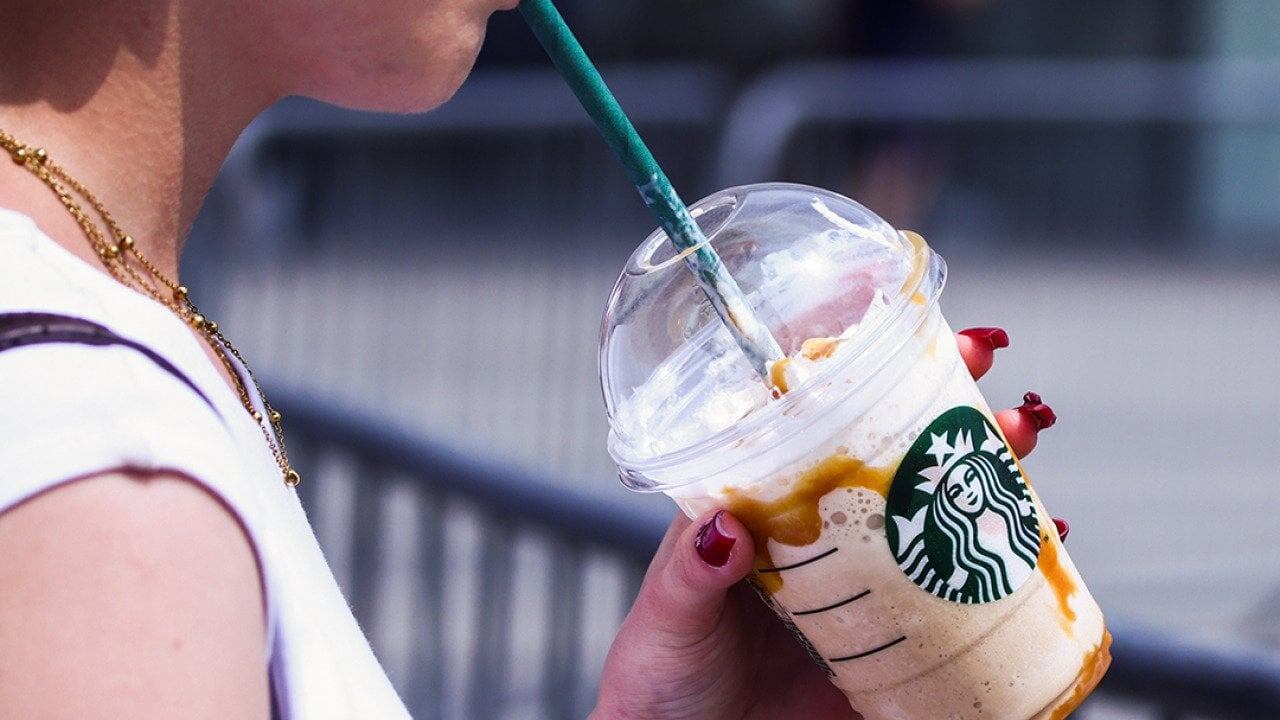
Starbucks’ “Recyclable” Cups Are Still Mostly Trash Across the U.S.
Starbucks’ widely marketed recyclable coffee cups are largely not recycled and continue to pollute landfills as revealed in recent environmental assessments. Despite consumer trust and company claims, experts confirm these cups remain a major waste problem nationwide, raising urgent questions about sustainability promises in 2026.
The issue strikes a chord with millions of Americans, including thousands in North Carolina who rely on Starbucks as part of their daily routine. Customers expecting their ‘widely recyclable’ cups to be processed sustainably are now learning that most end up as trash regardless of recycling labels.
Recycling Failures Reveal Flaws in Coffee Industry Waste Solutions
Starbucks has invested heavily in green branding, promoting its cups as recyclable to reduce environmental impact. However, multiple studies and waste audits have found that local recycling systems struggle to process these cups due to their plastic lining. This material contamination renders the cups unsuitable for most municipal recycling programs, causing them to be diverted to landfill instead.
Environmental advocates warn this situation undermines public trust and calls for urgent innovation in cup design and waste management. The problem affects millions of cups daily across the United States, including high-volume urban centers and college towns in North Carolina.
Why Your Starbucks Cup Is Not Helping the Planet Right Now
The key challenge is the polyethylene lining inside the cups, which prevents leaks but complicates recycling. When these cups enter standard recycling streams, they often jam machinery or contaminate paper recycling batches. Because of this, many recycling facilities either reject or divert them to the trash.
Consumers nationwide remain largely unaware that the “recyclable” label is conditional on specialized industrial recycling processes that are not widely available. In many North Carolina counties, such infrastructure does not exist, ensuring these cups go straight to landfill waste sites.
This discrepancy between marketing and actual recycling capability has sparked backlash from environmental groups demanding greater transparency and accountability from Starbucks and the broader fast-food industry.
What’s Next? Calls for Action and Industry Innovation
Facing mounting pressure, Starbucks officials have pledged to accelerate the development of truly compostable or reusable cup alternatives. Industry experts say these changes must happen imminently to meet growing federal and state mandates on plastic waste reduction.
Meanwhile, public awareness campaigns are encouraging consumers to avoid single-use cups entirely or demand more sustainable options locally. Retailers and municipal officials in North Carolina are also exploring deposit-return schemes and better recycling programs for food packaging waste.
The bottom line: For now, your Starbucks cup is still ending up in the trash, contradicting the company’s “widely recyclable” promise and highlighting a crucial gap in America’s recycling system as 2026 unfolds.