Netherlands Ramps Up Military Reservist Recruitment in Wake of Rising Threats
The Dutch military is rapidly expanding its volunteer reservist ranks amid growing concerns over European security, fueled by the ongoing war in Ukraine and shifting global dynamics. The government has announced plans to more than double its military personnel from 80,000 to 120,000 by 2035, with a significant surge in new reservist applications overwhelming the system.
Recent enlistments by Queen Maxima and her eldest daughter Princess Amalia as volunteer reservists have created what officials call the “Amalia effect,“ inspiring thousands of Dutch citizens to sign up. Photographs of Maxima training with a pistol sparked widespread attention, boosting recruitment campaigns across newspapers, billboards, and social media platforms.
Urgent Effort to Train, Equip, and Deploy New Recruits
State Secretary for Defense Derk Boswijk confirmed, “We have more applications than we can handle,” as military bases struggle with shortages of training capacity, housing, uniforms, and weapons. Still, Boswijk calls this a “luxury problem” amid the clear security threat facing Europe today.
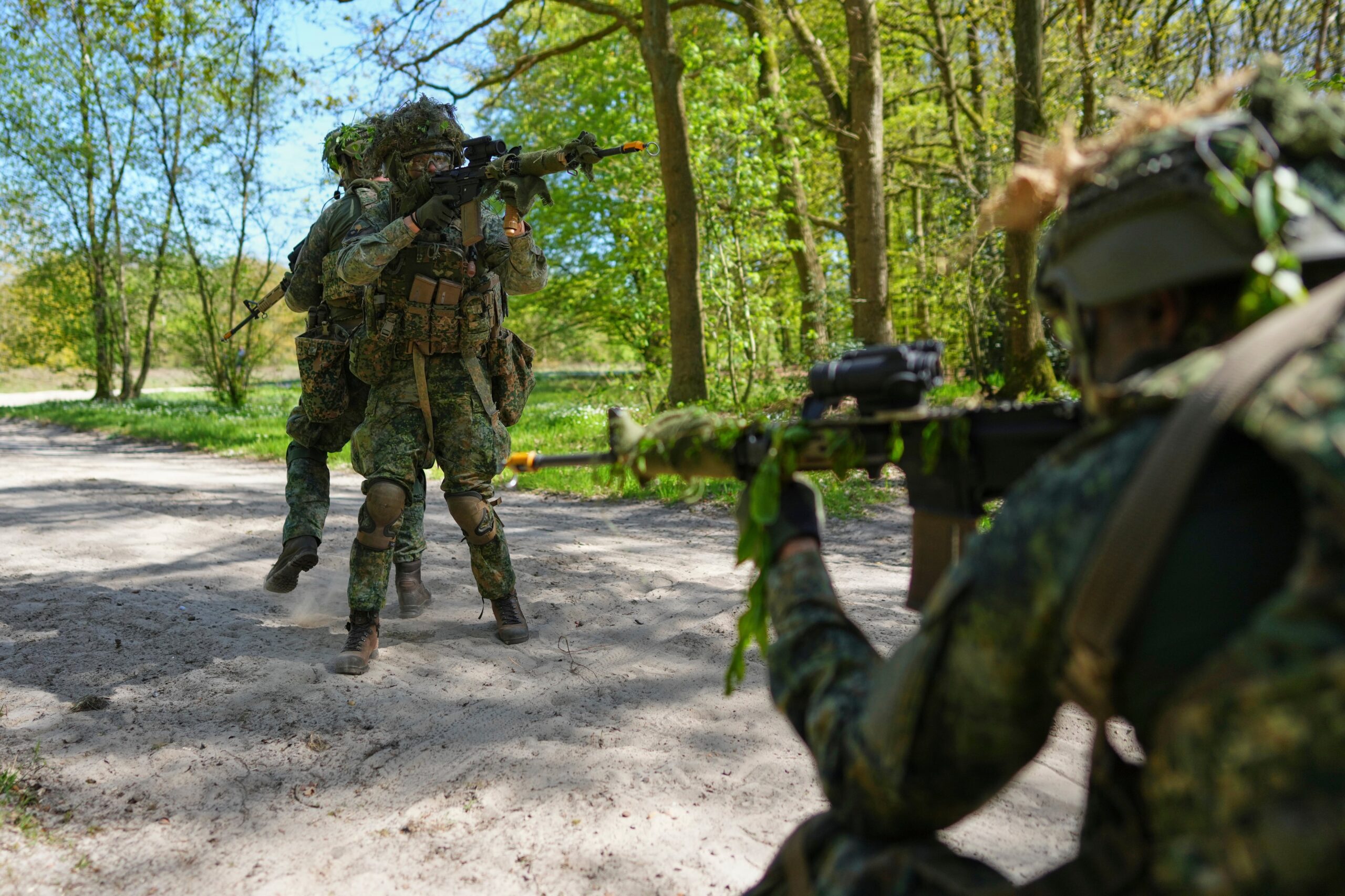
The Dutch reservist force currently includes about 9,000 volunteers, but authorities aim to grow that number to 20,000 by 2030. Reservists commit to serving 300 hours per year, including weekend exercises like recent drills featuring troops camouflaged and armed with Colt C7 rifles in forested areas near Havelte.
Unlike regular soldiers, Dutch reservists have traditionally focused on domestic security and emergencies rather than overseas combat. However, as threats evolve, their roles are expanding to protect vital infrastructure amid fears that Russia’s invasion of Ukraine could be the prelude to wider European aggression.
Growing European Drive to Rebuild Military Strength
The Netherlands’ recruitment surge is part of a broader European movement to modernize and expand military forces. Germany is considering improved pay and flexibility for short-term military service without reinstating the draft, while France aims to enroll tens of thousands of volunteers annually through a new 10-month military service program starting this fall.
In eastern and northern Europe, countries including Finland, Sweden, Denmark, and Latvia maintain conscription systems or lotteries to maintain troop levels, especially due to the persistent threat from Russia. Though the Netherlands suspended its draft in 1997, it remains open to recruiting a wide range of citizens with diverse skills—from infantry experts to tech-savvy recruits prepared to defend against cyber threats.
Personal Stories Highlight Shift in Security Mindset
Among the new reservists, there is a growing awareness of the seriousness of current threats. A corporal in the 10th Infantry Battalion spoke anonymously about the shifting mindset: “When I first joined, there was almost no threat, but now we are focused on ‘green things’ — infantry tasks — because we are here to defend our country.”
Lisette den Heijer, a recent volunteer, said her motivation stems from history: “In primary school, we learned that German forces took over Holland in five days during World War II. I don’t want history to repeat itself.”
Meanwhile, a private first class with ties to the defense industry noted that focus has shifted from peacekeeping missions to protecting critical infrastructure, as demonstrated during the high-profile NATO summit security in The Hague last year.
What’s Next for Dutch Military Growth
With recruitment campaigns still running at full throttle, Dutch military officials are working urgently to scale up training facilities and logistics to integrate the growing pool of recruits. The “Amalia effect” continues to inspire new volunteers, signaling a marked shift in Dutch defense posture toward readiness amid an increasingly unpredictable global security landscape.
For North Carolina and U.S. readers, the Netherlands’ rapid military buildup highlights the urgent necessity for NATO allies to adapt and reinforce their forces as Russia’s aggression destabilizes European peace and raises global security risks.
As the European Union and NATO warn of potential new Russian attacks within the next three to five years, the Dutch military’s strong push to bolster its reservists represents a critical, timely response shaping transatlantic defense strategy now.