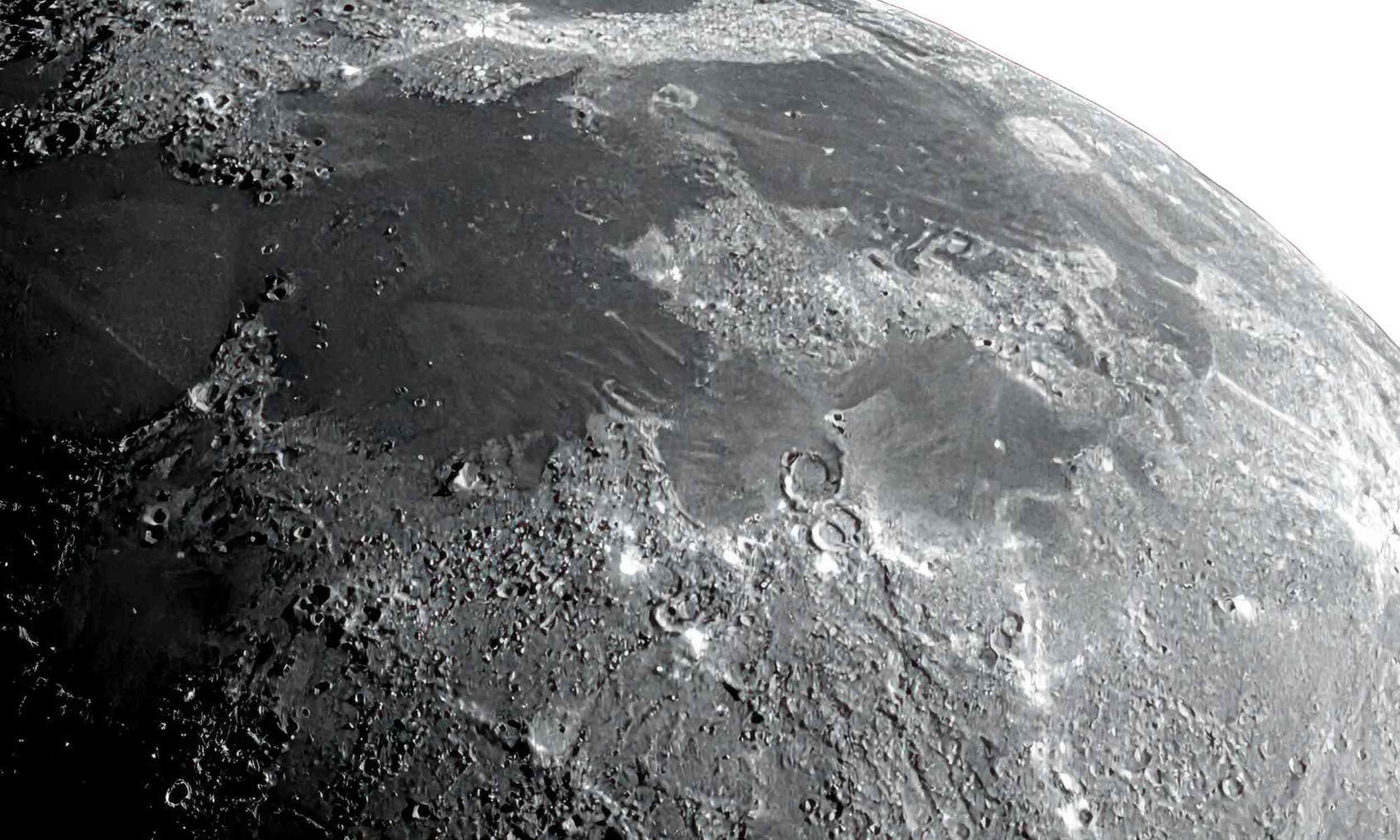
New Lunar Craters Fade Much Faster, Upending Moon Surface Science
Scientists have discovered that fresh craters on the Moon alter its surface far beyond visible debris and vanish quicker than expected, a shocking development reshaping how researchers date the lunar landscape. This breakthrough comes from detailed before-and-after images captured by the Lunar Reconnaissance Orbiter Camera (LROC), revealing fresh craters surrounded by faint rays stretching tens of miles—over 1,000 times wider than the crater diameter itself.
The research, led by Emerson Speyerer and colleagues at Arizona State University (ASU), analyzed six recent impact sites including a notable 230-foot (70-meter) wide crater. Their findings expose a vast zone of subtle disturbances stretching well beyond classic ejecta blankets, forcing scientists to rethink how much lunar soil is actually churned with each impact.
Surface Changes Extend Far Beyond Visible Crater Debris – With Crucial Implications
Unlike traditional views focusing solely on visible crater rims and debris, the new data shows that each lunar impact “roughens” the regolith—the Moon’s loose soil and broken rock—over massive distances. Rather than a clean, sharply defined scar, the Moon’s surface experiences broad photometric roughening, changing how sunlight reflects off it and complicating the lunar age record.
Speyerer’s team notes these dark rays, visible only under specific lighting angles, do not result from new layers of material but from surface texture changes scattering sunlight differently. For example, the vast dark rays from the 230-foot crater cannot be explained by the ejecta alone—calculations show they would require 375 times more material than excavated, confirming that it’s surface roughening, not fresh dust, causing the effect.
This dynamic process also implies that craters fade from view faster than expected, especially in faint outer ray zones. Earlier work by the LROC cataloged 222 new craters over time with measurements indicating the Moon’s top soil layer churns every 81,000 years. Now, new phase angle lighting studies reveal some impact marks appear only under certain sunlight conditions, meaning many smaller disturbances may have gone unnoticed.
Why This Discovery Changes How We Date the Moon—and Search for Ice
The rapid fading of crater rays shapes more than just lunar timelines. It affects how scientists interpret cold traps—tiny sunless pockets near the poles that can harbor water ice. Because surface dust overturn can erase signs of ice in less than thousands of years for pockets smaller than 3 feet (1 meter), fresh ice deposits detected may reflect recent impacts, not ancient reserves.
These findings suggest future lunar missions, including those planned for polar exploration, must combine lighting history, surface texture, and soil depth data to accurately read water ice records and sample the lunar regolith.
Apollo Echoes Confirm Surface Roughness Effects on Moon Soil
The study also cross-references Apollo astronaut photographs, linking human footprints and wheel tracks with brightness changes caused by roughened or compacted soil. Boot scuffs darkened soil by producing tiny shadowing particles, while tracks sometimes brightened as compacting crushed loose dust. This on-the-ground proof supports the idea that roughened textures, rather than straightforward deposits, disrupt lunar reflectance.
The research, published in The Planetary Science Journal, marks a pivotal step in understanding the Moon as a far more active and rapidly changing surface than previously believed.
For American space enthusiasts and researchers alike, this changes how we read the Moon’s history and could reshape future exploration strategies.
The NC Voice will continue to track updates as NASA and other space agencies prepare for new lunar missions informed by these discoveries.