Apple Waste Now Powers Vehicles and Feeds Animals in Game-Changing Innovation
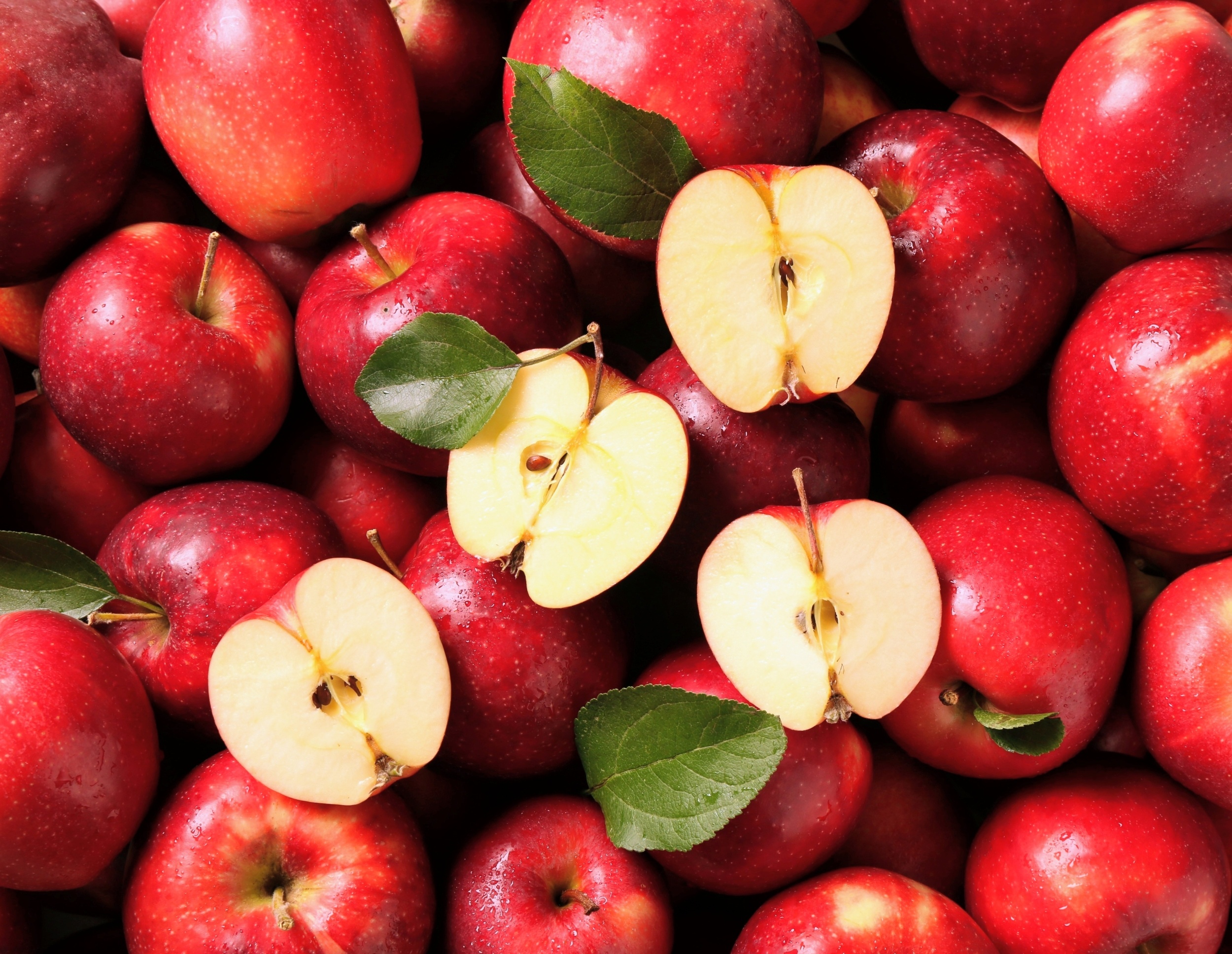
Discarded apple waste is no longer just a costly disposal problem but a new source of bioethanol fuel and nutritious animal feed, according to breakthrough research from the University of Passo Fundo in Brazil. The study reveals how leftover apple pulp from juice and cider production—amounting to a massive 25% to 30% of each apple processed—can be harnessed immediately to fuel cars and feed livestock, creating a win-win for sustainability and the agri-industry nationwide.
Dr. Luciane M. Colla and her team published these findings in the leading journal Biofuels, Bioproducts and Biorefining, demonstrating two innovative enzyme-driven processes that unlock trapped sugars hidden in apple pulp. These sugars fuel fermentation to produce bioethanol, a clean-burning alcohol fuel blendable with gasoline, while the leftover residue becomes valuable animal feed.
Apple processors in North Carolina and across the United States face mounting costs and challenges managing wet apple waste. Now, they have a practical, proven solution that turns waste into revenue. The research shows that by quickly treating wet apple residue before spoilage, factories can simultaneously generate two products: liquid biofuel and a high-nutrient feed additive.
Two Enzyme-Powered Processes Unlock Fuel and Feed Potential
The research compares two methods:
- Separate Hydrolysis and Fermentation (SHF): Enzymes break down plant fibers first, freeing sugars, which yeast then ferments into alcohol within 24 hours. This sequential method transforms a significant portion of pulp carbohydrates into bioethanol rapidly.
- Simultaneous Saccharification and Fermentation (SSF): Enzymes and yeast work together in one chamber. This longer process yields more bioethanol overall, though fermentation times extend, balancing efficiency and output.
Two yeast strains, including a common brewing yeast and a second specialized strain, cooperate to ferment both simple and complex sugars, maximizing alcohol production. This dual-microbe approach is critical to capturing the full sugar spectrum locked inside apple waste.
Animal Feed Tailored for Different Livestock Needs
Beyond fuel, the residual solid materials from each process serve animal nutrition differently. After SHF, the residue is fiber-rich, ideal for ruminants like cattle that thrive on slower-digesting fiber. SSF residue, conversely, contains higher protein and fewer lipids, suited for high-energy-demand animals such as dairy cows and poultry. This customization potential marks a huge step in sustainable feed options, especially important as feed costs fluctuate.
The higher protein and reduced fat in SSF feed may improve storage stability by reducing rancidity risks, expanding its commercial appeal.
What This Means for North Carolina and US Agriculture
North Carolina, a key player in both apple production and livestock farming, stands to benefit from adopting this dual-recovery system. Local processors could cut disposal costs and pollution from apple waste, while farmers gain access to cost-effective, tailored feed ingredients. Meanwhile, bioethanol produced could supplement renewable energy goals, reducing vehicular carbon footprints.
As the country pushes forward with clean energy mandates and sustainable agriculture, this research illuminates a practical path to circular economy practices that turn food processing waste into valuable resources.
Next Steps and Industry Adoption
The research team emphasizes the urgency of processing pulp quickly to prevent spoilage and maximize sugar extraction. Larger-scale trials and feeding studies remain vital to ensure consistent biofuel yields and animal safety before commercialization, but the foundations are set for rapid industry uptake.
“Turning low-value apple waste into fuel and feed not only solves a costly disposal problem but reshapes how fruit processing fits into a sustainable future,” said Dr. Colla.
North Carolina-based juice and cider makers, livestock producers, and biofuel companies should watch closely as this innovation develops into scalable, profitable operations. The window is open to convert what was once trash into critical energy and nutrition resources right now.
Subscribe to The NC Voice for ongoing updates on clean energy advances and agricultural innovations impacting North Carolina and the nation.