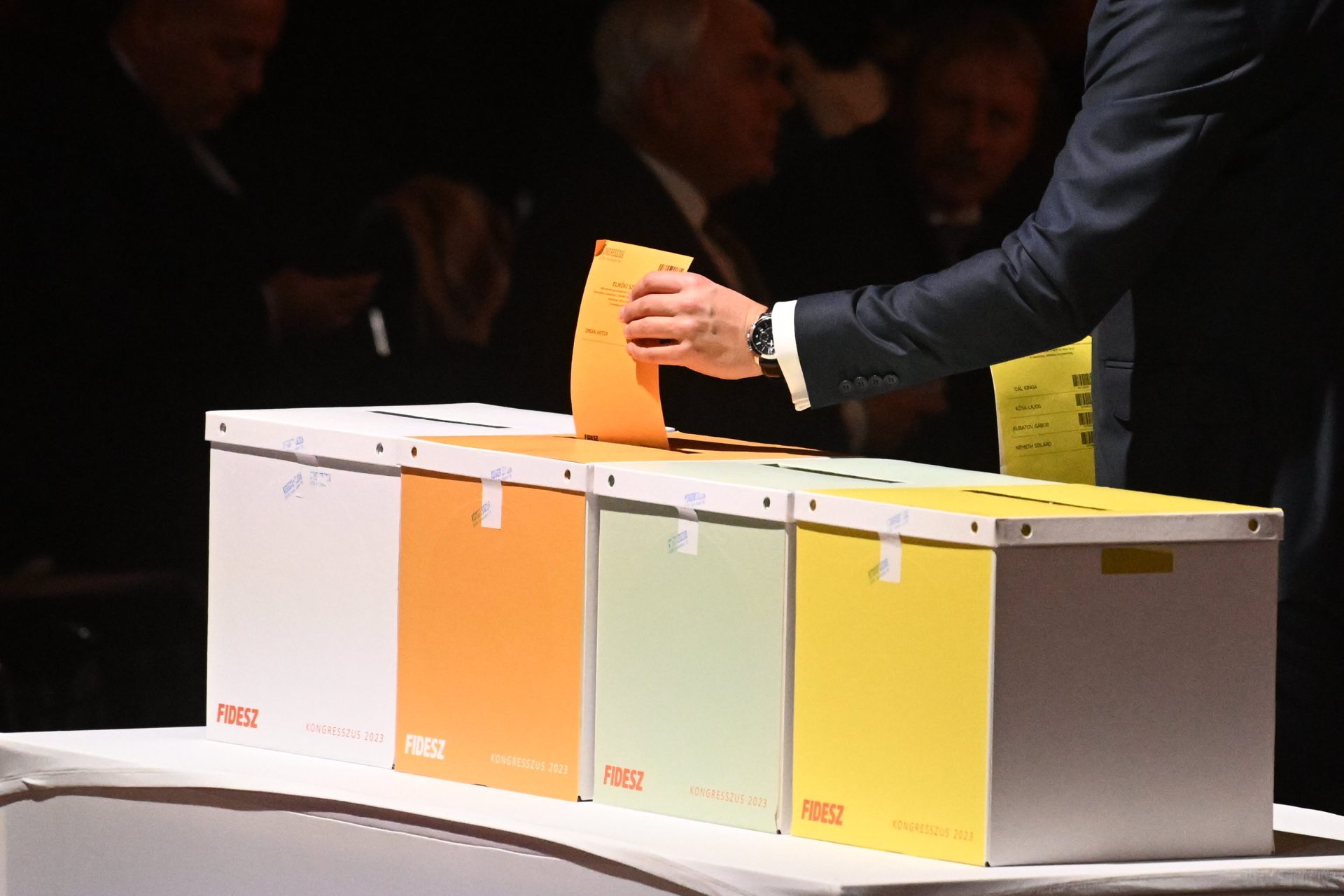
Fidesz Surprises Political Landscape by Advancing Leadership Vote to June
Fidesz, Hungary’s dominant political party, has abruptly rescheduled its critical leadership renewal congress from autumn to June, an unexpected move stirring political speculation across Europe and beyond. The announcement came from Tamás Menczer, a Fidesz spokesperson, confirming that the party’s presidency made the decision without revealing detailed motivations.
The leadership renewal congress, a pivotal event where the party elects its president and senior officials, now looms much closer than anticipated. This accelerated timeline signals potential shifts within Fidesz’s power dynamics that global political watchers and Budapest residents must follow closely.
Urgency Behind the Sudden Schedule Change
Party insiders indicate the decision was reached officially by the party leadership, but no public reasons have been disclosed. Analysts speculate the timing could reflect urgent strategic moves amid Hungary’s evolving political environment, including domestic pressures and international scrutiny.
The vote’s postponement from autumn to early summer moves up the stakes for key figures aiming to solidify or challenge long-standing leadership. The new schedule compresses timelines for campaigning and could reshape the trajectory of Fidesz’s policies and influence, which holds importance far beyond Hungary’s borders due to EU ties and geopolitical interests.
What North Carolina and U.S. Readers Should Watch
While primarily a European political development, the shift within Fidesz has ripple effects on U.S. diplomacy and transatlantic relations. Hungary’s internal shifts resonate with broader challenges facing democratic governance and political stability in Europe—issues closely monitored by policymakers and experts in Washington D.C. and here in North Carolina’s university political science programs.
For North Carolinians interested in international affairs, this accelerated leadership vote illustrates the volatility in European political parties and highlights how swift political maneuvers can redefine alliances, trade policies, and security cooperation.
Next Steps and What to Anticipate
The Fidesz leadership renewal congress will take place in early summer, exact dates still pending further announcements. Observers should expect increased political activity in Hungary, with campaigns intensifying ahead of the vote. The event will be a crucial test for Prime Minister Viktor Orbán’s party, which governs Hungary with a strong majority but faces criticism over democratic backsliding.
Tamás Menczer emphasized that the move to reschedule was decided by the “party presidency,” a core ruling body within Fidesz, underscoring the centralized nature of the decision-making process.
This accelerated leadership vote represents a significant political shake-up, raising questions about the stability and direction of Hungary’s ruling party at a moment when European democratic norms are under intense scrutiny globally.
Tamás Menczer: “The party presidency decided to bring forward the leadership renewal congress from autumn to early summer.”
Stay tuned to The NC Voice for ongoing updates on this developing story and for expert analysis on what this means for European politics and global relations.