Newly highlighted memoirs from Italy’s famed diplomat Giuseppe Salvago Raggi expose bold warnings about World War I’s aftermath and reveal sharp critiques of international leaders during pivotal moments in early 20th-century diplomacy.
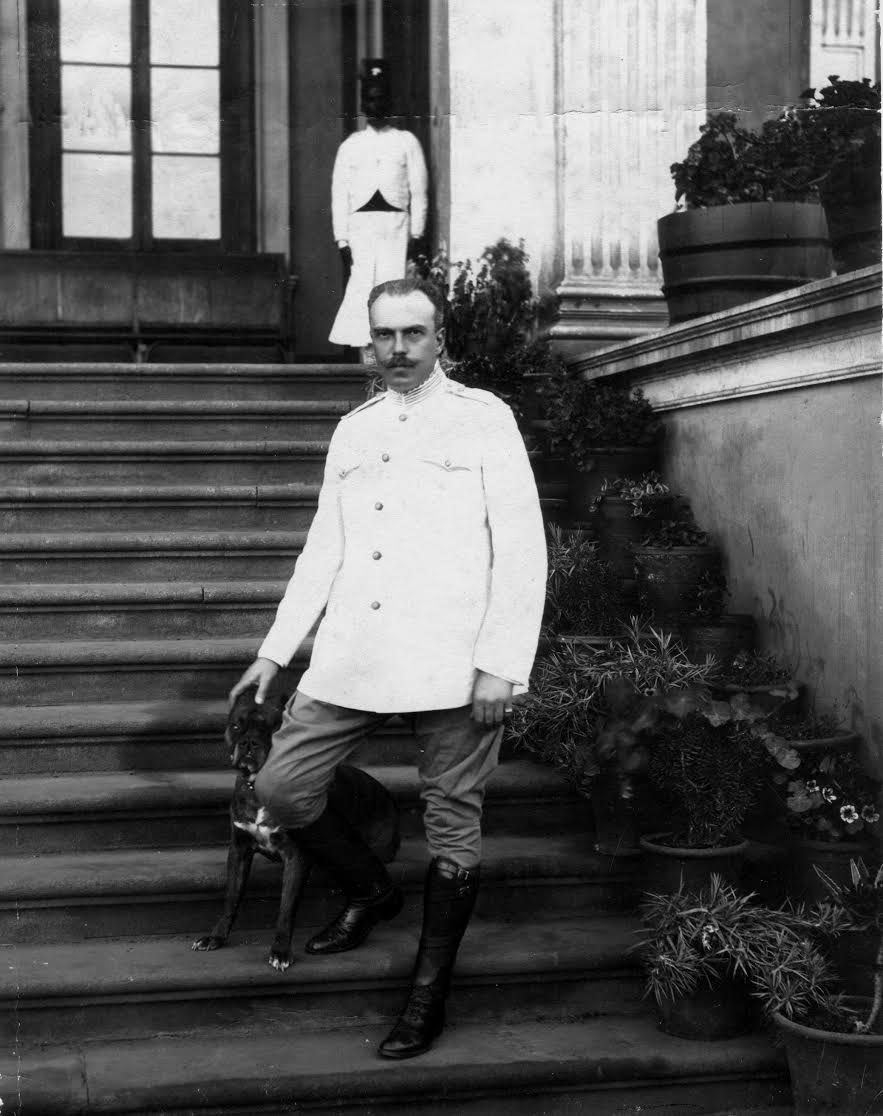
Raggi, whose memoirs originally written in 1933 have resurfaced with fresh translations, offers an unfiltered insider’s account of major global crises including the Boxer Rebellion siege in Beijing, the 1894 Cairo diplomatic drama preceding the Adwa disaster, and the turbulent 1919 Versailles Peace Conference. These writings provide a rare, firsthand perspective that challenges accepted historical narratives.
Diplomat’s Sharp Critique of Versailles Frenzy Signals Looming Global Danger
At the heart of Raggi’s revelations is his unprecedented decision to resign from his role as Italy’s peace negotiator during the 1919 Treaty of Versailles talks. He publicly denounced the relentless hostility of the French and British delegations towards Germany, correctly predicting unleashed resentments would fuel future conflicts.
Raggi’s departure shocked contemporaries, with figures like Sidney Sonnino and Antonio Salandra branding him a coward. Yet his prescience stands out vividly today as an early warning ignored by the world stage.
Inside Historical Diplomatic Flashpoints: From Cairo to Beijing and Mussolini’s Rise
His memoirs unveil intrigue in Cairo surrounding Italy’s colonial missteps, exposing arrogance and recklessness that led to the disastrous Battle of Adwa. Contrary to popular English accounts that minimized his role during the Boxer Rebellion siege in Beijing, Raggi’s writings assert his active and courageous participation in the legation’s defense.
In a striking encounter, Raggi briefed the newly appointed prime minister Benito Mussolini in 1922 on the complexities of war reparations outlined in the Treaty of Versailles. Mussolini’s quick grasp of these difficult topics impressed the seasoned diplomat, yet Raggi likened the young leader to the “sorcerer’s apprentice,” foreseeing the challenges ahead.
Legacy Unearthed: Memoirs Offer Corrective to Biased Historical Accounts
Originally penned as a personal duty rather than for publication, Raggi’s straightforward, irony-tinged prose defies the flamboyant styles of his era. Preserved within family archives until recent translations appeared, these memoirs now serve as a crucial corrective to distorted Anglo-French versions of events, especially regarding his conduct in Beijing.
Their release through Gingko Edizioni and republished versions by Le Lettere highlight Raggi’s opposition to corrupt practices such as the influence of Freemasonry in Italian diplomatic appointments—a system he viewed as detrimental to merit and integrity.
Why This Matters Today
The illuminating accounts from Raggi’s nearly seven decades of service offer urgent lessons on diplomacy, power struggles, and the costs of political hubris. For American readers and those in North Carolina, the memoirs underscore the global roots of conflict and the importance of principled negotiation during fraught peace processes—a theme echoing in modern international relations.
As global tensions fluctuate today, revisiting the legacy of diplomats like Salvago Raggi reminds us how critical it is to listen to voices warning against fractured peace and shortsighted policies.
What Happens Next
Historians and policy experts await the full public release and translation of Raggi’s other writings, including “Letters from the East,” anticipated to deepen understanding of pre-World War era diplomacy and colonial dynamics.
The NC Voice will continue to monitor updates on this compelling historical rediscovery, providing analysis on its implications for current diplomatic strategies worldwide.