Transit agencies in the San Francisco Bay Area are bracing for significant challenges as the fate of a crucial tax measure looms ahead of the November 2024 election. The Bay Area Rapid Transit (BART) agency has indicated that it may have to implement drastic cuts if the proposed multibillion-dollar measure does not pass. This includes the potential closure of 10 to 15 stations, laying off approximately 1,200 employees, and increasing fares and parking fees by up to 50%.
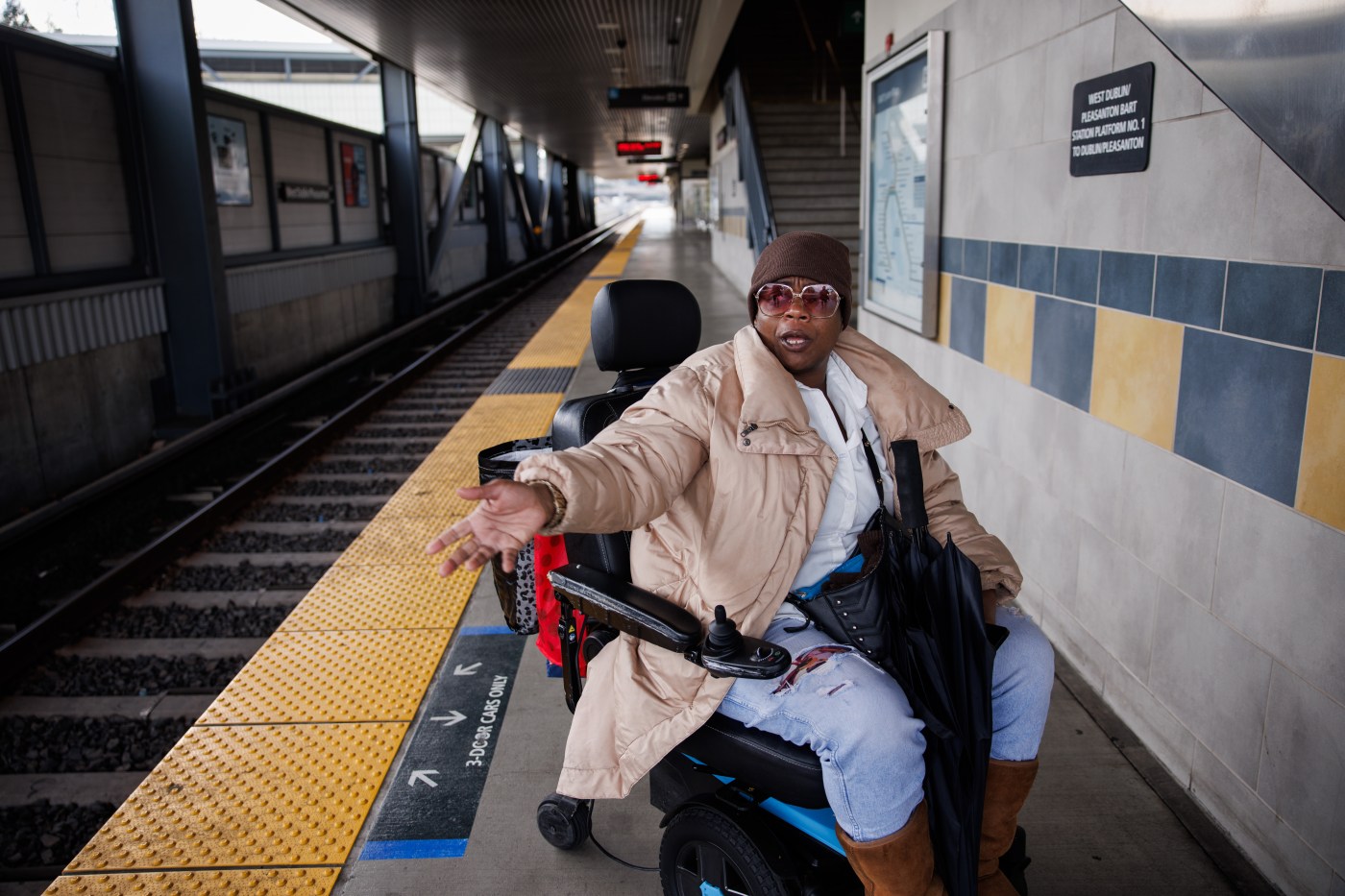
As she exited her train at the West Dublin-Pleasanton station, Shakira Moore expressed concern over the possibility of station closures. Moore, a 42-year-old wheelchair user, relies on BART for her commute to Oakland, where she travels frequently. She described the potential closure as detrimental, stating, “If they close BART, it’s an attack on the lower class. That seems like a waste of taxpayers’ money as well.”
BART’s financial difficulties stem largely from a significant drop in ridership following the COVID-19 pandemic, which has been exacerbated by the shift to remote work. Prior to the pandemic, fares and parking fees covered about 70% of operational costs; now, they account for just over 30%. The agency reported a staggering deficit of $376 million. In response, BART implemented a fare increase of 6.2% on January 1, 2024, raising the average fare from $4.88 to $5.18.
State Support and Local Concerns
In a bid to stabilize transit services, Governor Gavin Newsom announced a $590 million state loan for BART and other transit agencies, including AC Transit and Caltrain. This funding aims to help cover operating costs until new tax revenues can be collected, assuming the measure is approved. The loan is structured to be repaid over 12 years.
At a recent BART Board meeting, board president Melissa Hernandez expressed her dismay about the potential cuts, particularly affecting two stations in Dublin. “For me, that is not fair. It’s not fair to the residents,” she said, emphasizing the impact on the community.
If the measure fails, BART plans to delay station closures until July 2027, pending board approval at its next meeting on February 26, 2024. Among the stations at risk are those in Castro Valley, North Concord, and Orinda, among others. Concerns have been raised by local officials about the adverse effects on residents’ quality of life, including increased commute times.
Dionne Adams, the mayor of Pittsburg, highlighted the challenges residents would face if local stations were shut down, stating, “It will take you a longer time to get to the BART station,” which would add stress to those who rely on public transportation.
Orinda Councilmember Darlene Gee underscored the importance of the BART station in her community, indicating that while a tax measure may not resolve all funding issues, it is essential for allowing transit agencies to reassess their long-term strategies. She urged voters to consider the broader implications of their decisions regarding the tax measure.
Implications for the Future of Transit
The proposed ballot measure, which is expected to be voted on across Alameda, San Mateo, Contra Costa, Santa Clara, and San Francisco counties, would introduce a 1% tax increase in San Francisco and a half-cent increase in the other four counties. To qualify for the ballot, the measure must gather 186,000 signatures by a specified deadline.
Carter Lavin, co-founder of the transit advocacy group Transbay Coalition, expressed his concerns about the potential failure of the measure. He warned that a lack of investment in transit could hinder the Bay Area economy and exacerbate traffic congestion. Lavin emphasized the need for communities to come together to support public transit, stating, “This isn’t about VTA, this isn’t about Caltrain, this isn’t about BART. It’s about your neighbor.”
Back at the Dublin station, Moore reflected on the difficulties she and her son would face if their local station were to close. “It’s already hard and unpredictable,” she said, fearing that a loss of access could lead to her son needing to change schools. “My baby would be heartbroken,” she added, conveying the personal impact of potential transit cuts.
As the November election approaches, the fate of public transit in the Bay Area hangs in the balance, with significant implications for residents who depend on these services for their daily commutes and overall quality of life.