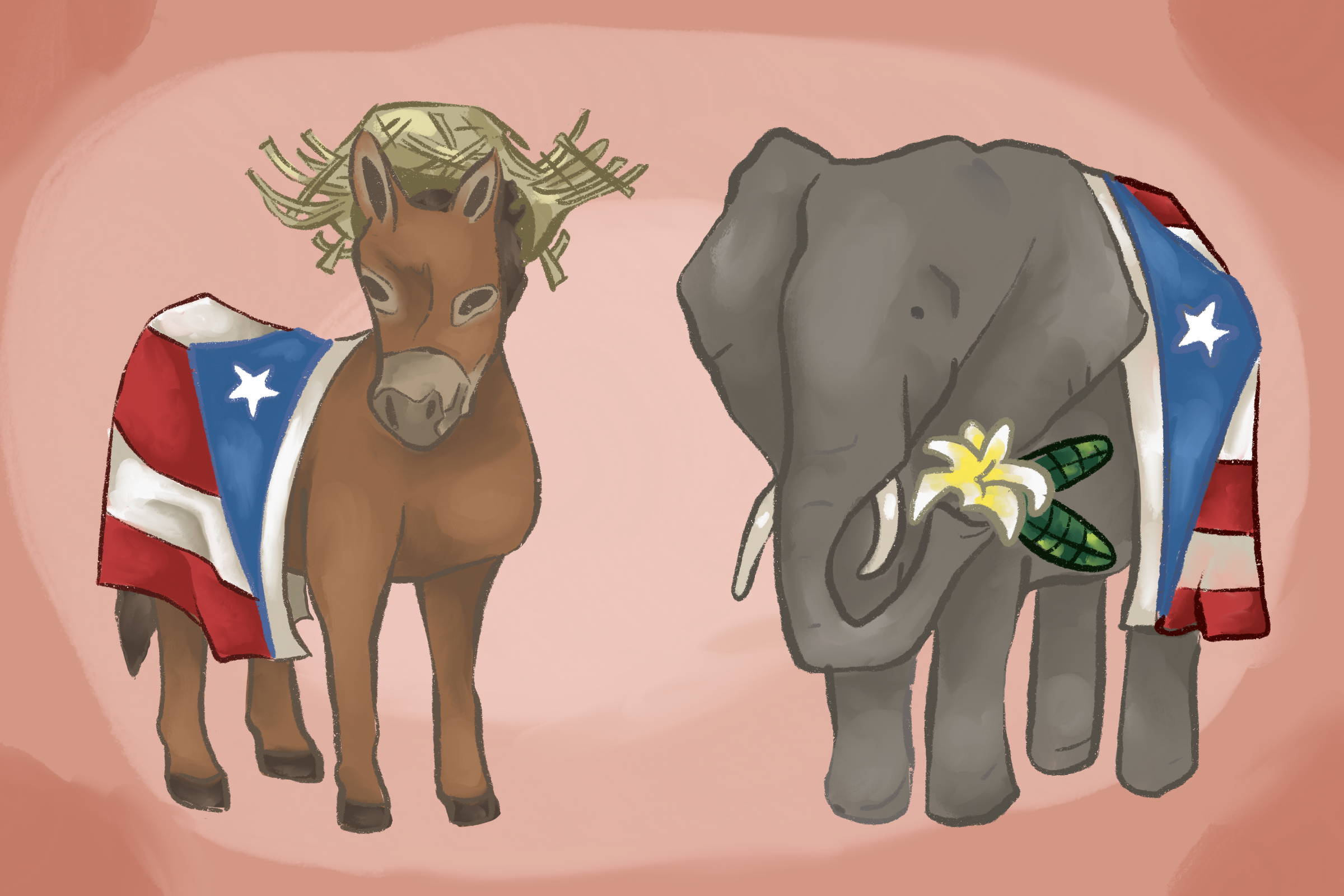
On February 8, 2026, an estimated 125 million Americans tuned in for one of the country’s most celebrated events: the Super Bowl. This annual spectacle marks the culmination of the National Football League’s (NFL) season, featuring the ultimate showdown for the coveted Lombardi Trophy. However, this year’s halftime show, headlined by Bad Bunny, transcended typical entertainment, transforming into a moment of unity amidst a politically charged atmosphere.
During a game characterized by defensive strategies and advertisements for artificial intelligence, weight-loss drugs, and sports betting, Bad Bunny emerged as an unexpected centerpiece. His performance emphasized themes of love, compassion, and rhythm, creating a powerful counter-narrative to the prevailing divisions within American society. Rather than aligning with partisan politics, he delivered a universal message that resonated with viewers across the spectrum.
A Symbol of Puerto Rican Resistance
Although Bad Bunny’s show aimed for inclusivity, it was not entirely devoid of political context. Throughout the performance, he displayed “la bandera azul-clarito,” a symbol of Puerto Rican resistance that replaces the navy blue of the current flag with a lighter shade, historically associated with separatist sentiments. In a poignant moment, Puerto Rican pop star Enrique Martín Morales performed “Lo que le pasó a Hawaii,” a song that reflects on the impacts of U.S. colonialism.
The mere announcement of Bad Bunny’s participation sparked a wave of political commentary and criticism directed at the NFL. His selection was perceived as a litmus test for the nation’s political climate following Donald Trump‘s victory in the 2024 elections. As both sides of the political spectrum wrestled over the significance of the halftime show, it became a focal point for broader cultural discussions.
Politics and Performance
At the recent Grammy Awards, Bad Bunny dedicated his Album of the Year acceptance speech to the millions of undocumented immigrants in the United States, setting an overtly political tone that some anticipated would carry into the halftime show. However, he opted to focus on themes of love and regional unity instead of confrontation. His message culminated in a closing moment where he held a football inscribed with the phrase, “Together, we’re all America.”
Despite this call for unity, political figures attempted to co-opt the performance for their own narratives. Notably, California Governor Gavin Newsom declared February 8 as “Bad Bunny Day,” a move interpreted by many as a strategic jab at Trump. This announcement, which lacked an official proclamation, seemed less about honoring the artist and more about leveraging his performance to gain political traction.
Conversely, Trump criticized the halftime show on social media, expressing disdain for various elements of the performance while simultaneously discussing unrelated NFL rules and market trends. Additionally, the conservative organization Turning Point USA had pre-recorded its own “All-American Halftime Show” in a bid to create division and controversy surrounding Bad Bunny’s performance.
This effort to politicize the halftime show led to numerous false claims circulating on both sides. Conservatives asserted that the alternative show rivaled the NFL’s viewership, while some liberals misrepresented Bad Bunny’s actions at the Grammys. Such misinformation highlights the intense desire to frame the event as a partisan victory, overshadowing the artist’s true message.
Bad Bunny could have easily chosen a more confrontational approach, aligning himself with one side of the political divide. Instead, he focused on shared values, offering a performance that celebrated the cultural ties that bind all Americans, regardless of their political beliefs. Through this approach, he delivered a significant and heartfelt message that defied the usual partisan narratives.
In a world increasingly defined by division, Bad Bunny’s halftime show reminds us of the power of art to unify and inspire. It serves as a call for collective identity, challenging audiences to embrace love and solidarity over conflict. The reception of this performance will likely continue to be debated, but its essence remains a celebration of the diverse tapestry that makes up the American experience.