Recent revelations from emails linked to the late financier and convicted sex offender Jeffrey Epstein have sparked outrage and concern. In a series of 2016 communications with German philosopher and AI researcher Joscha Bach, Epstein suggested that climate change could serve as a solution to what he described as “overpopulation.” This disturbing viewpoint raises serious ethical questions and highlights the troubling ideologies espoused by Epstein and his associates.
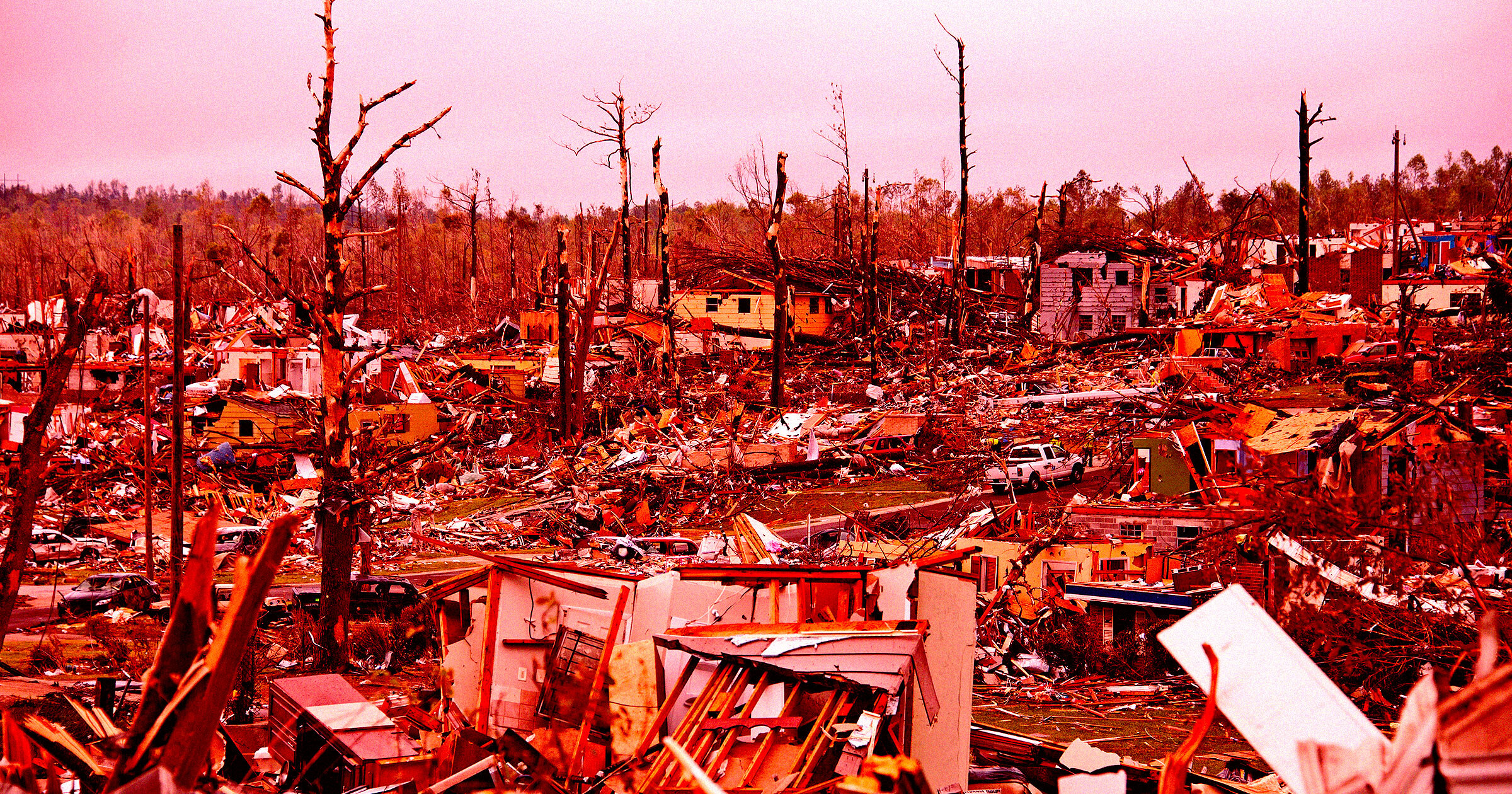
In the emails, unearthed by Fast Company, Epstein controversially stated, “Maybe climate change is a good way of dealing with overpopulation.” He further alluded to environmental disasters, like forest fires, as potential benefits for humanity. His message, characterized by numerous typographical errors, included a chilling rationale for mass fatalities among vulnerable populations, a sentiment that reflects a deeply troubling worldview.
Prominent climatologist Michael Mann responded to these communications, noting that Epstein’s beliefs align with those of certain influential figures who spread misinformation on climate issues. Mann pointed to Bjorn Lomborg, an Epstein associate known for his controversial stance on climate change, as an example of those who exploit the plight of disadvantaged communities to justify continued reliance on fossil fuels. Mann stated, “Lomborg cynically uses his feigned concern for the poor and downtrodden people of the Global South to justify continued fossil fuel dependence.”
The emails reveal a grim perspective on a topic that has been increasingly politicized. Epstein’s focus on “overpopulation” ignores the fact that the solution lies not in drastic measures, but in equitable resource distribution. As nations develop economically, they often experience a natural decline in birth rates. Addressing poverty and ensuring access to resources can effectively mitigate concerns about population growth.
Globally, the resources are available to support the population, yet inequality remains pervasive. More than 673 million people go hungry each day, despite the world having the capacity to produce sufficient food. In the United States alone, approximately 771,000 individuals have faced homelessness since 2007, highlighting the disparity between resource availability and access.
The troubling implications of Epstein’s views resonate beyond mere rhetoric. They reflect a broader societal issue where wealth and resources are concentrated in the hands of a few, perpetuating cycles of poverty and inequality. Epstein and his circle are emblematic of the very inequality they claim to address, as they hoard resources while the world’s most vulnerable populations suffer.
As the discourse on climate change and overpopulation continues to evolve, it is essential to confront these unsettling ideologies. The notion that environmental destruction could be a viable answer to complex social issues is not only misguided but also dangerous. The focus must shift towards inclusivity and equitable resource distribution to ensure a sustainable future for all.
These revelations serve as a stark reminder of the responsibility that comes with wealth and influence. The discourse surrounding climate change and population dynamics should center on compassion, justice, and the urgent need for systemic change.