URGENT UPDATE: Budapest’s rich architectural landscape is more than just a visual feast; it is a living testament to centuries of history and cultural identity. As travelers flock to Hungary’s capital, officials highlight the significance of its most famous landmarks, reminding tourists of their deep-rooted stories and national pride.
Standing majestically above the Danube, Buda Castle has been a symbol of power since the 13th century. Originally constructed after the Mongol invasion, it remains a cultural hub, housing museums and the National Széchényi Library. This landmark has undergone numerous restorations, most recently after the destruction of World War II, making it a must-visit for anyone looking to delve into Hungary’s regal past.
The Hungarian Parliament Building, completed in 1904, is one of Europe’s largest legislative structures, celebrated for its stunning Neo-Gothic design. It not only represents Hungary’s political history but also safeguards the Holy Crown of Hungary, a crucial national symbol. This architectural marvel stands prominently along the Pest riverbank, captivating visitors and locals alike.
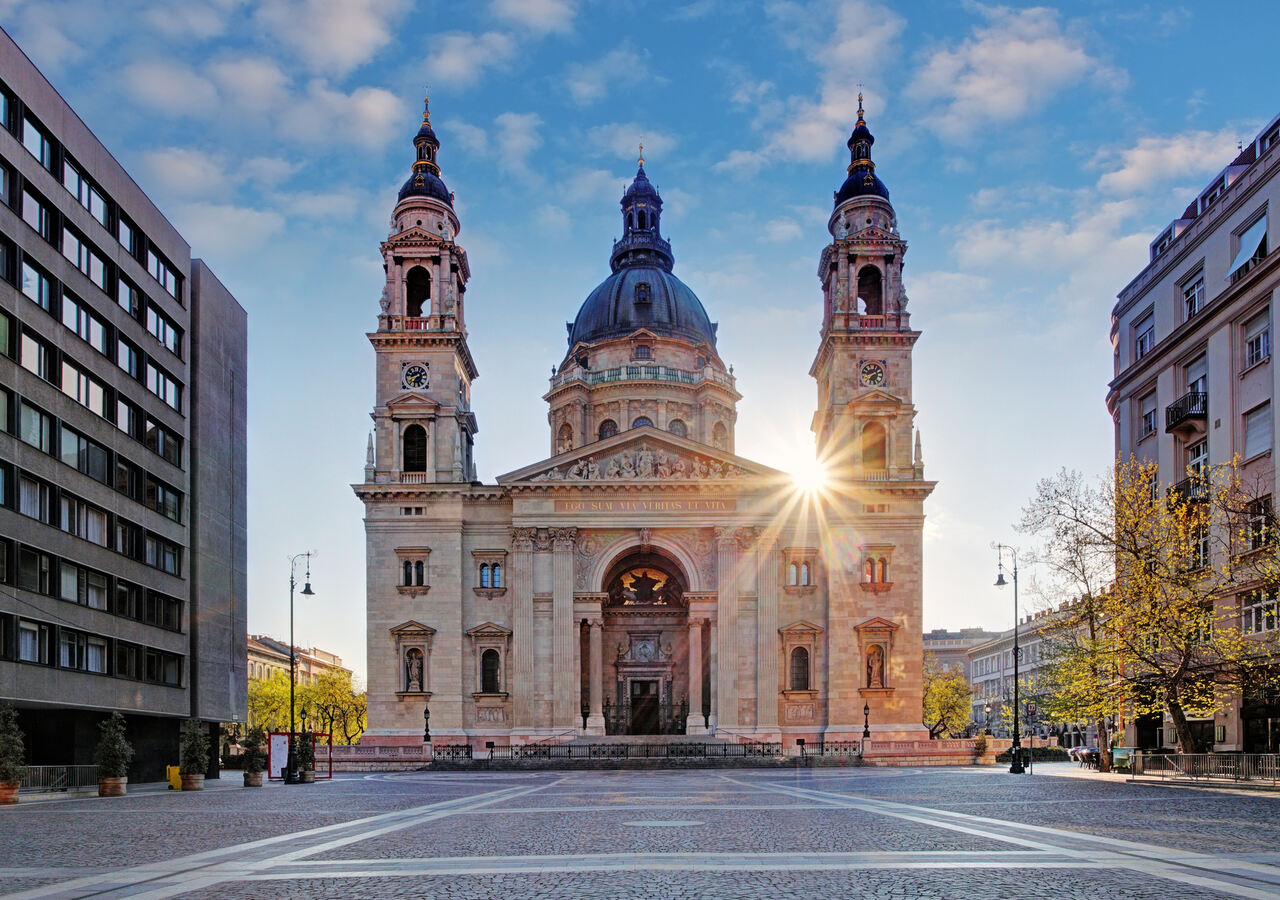
Also noteworthy is St Stephen’s Basilica, named after Hungary’s first king. Construction commenced in the mid-19th century, enduring significant setbacks, including the collapse of its original dome. Today, it towers as one of Budapest’s tallest buildings, serving as both a religious site and a vibrant cultural venue for concerts and community events.
The Chain Bridge, inaugurated in 1849, was the first permanent connection between Buda and Pest. This engineering feat unified the two sides of the city, making it easier for residents and visitors to explore the vibrant streets of Budapest.
Don’t miss the Fisherman’s Bastion, a whimsical terrace offering some of the most breathtaking views of the city. Although built around 1900, its fairytale-like architecture enchants all who visit, providing picturesque backdrops for countless photographs.
Lastly, Heroes’ Square, established in 1896 to commemorate the millennium of Hungary’s statehood, features statues of revered leaders and kings. Currently, the statue of Gabriel Archangel is undergoing its first major restoration in 120 years, anticipated to unveil in 2026. This site serves as a poignant reminder of Hungary’s historical journey.
These landmarks not only showcase stunning architecture but also tell the story of Hungary’s evolution from a medieval kingdom to a modern European nation. They provide insights into the events that have shaped the country’s identity and invite exploration from those who wish to understand its cultural heritage.
As Budapest continues to attract visitors, these sites remain crucial for understanding Hungary’s past and present. For those planning a visit, many of these landmarks are conveniently located close together in central Budapest, making it feasible to experience multiple attractions in a single day.
Stay connected with the latest updates on Hungary’s cultural treasures by following us on social media and subscribing to our channels. Don’t miss out on the rich experiences waiting for you in Budapest!