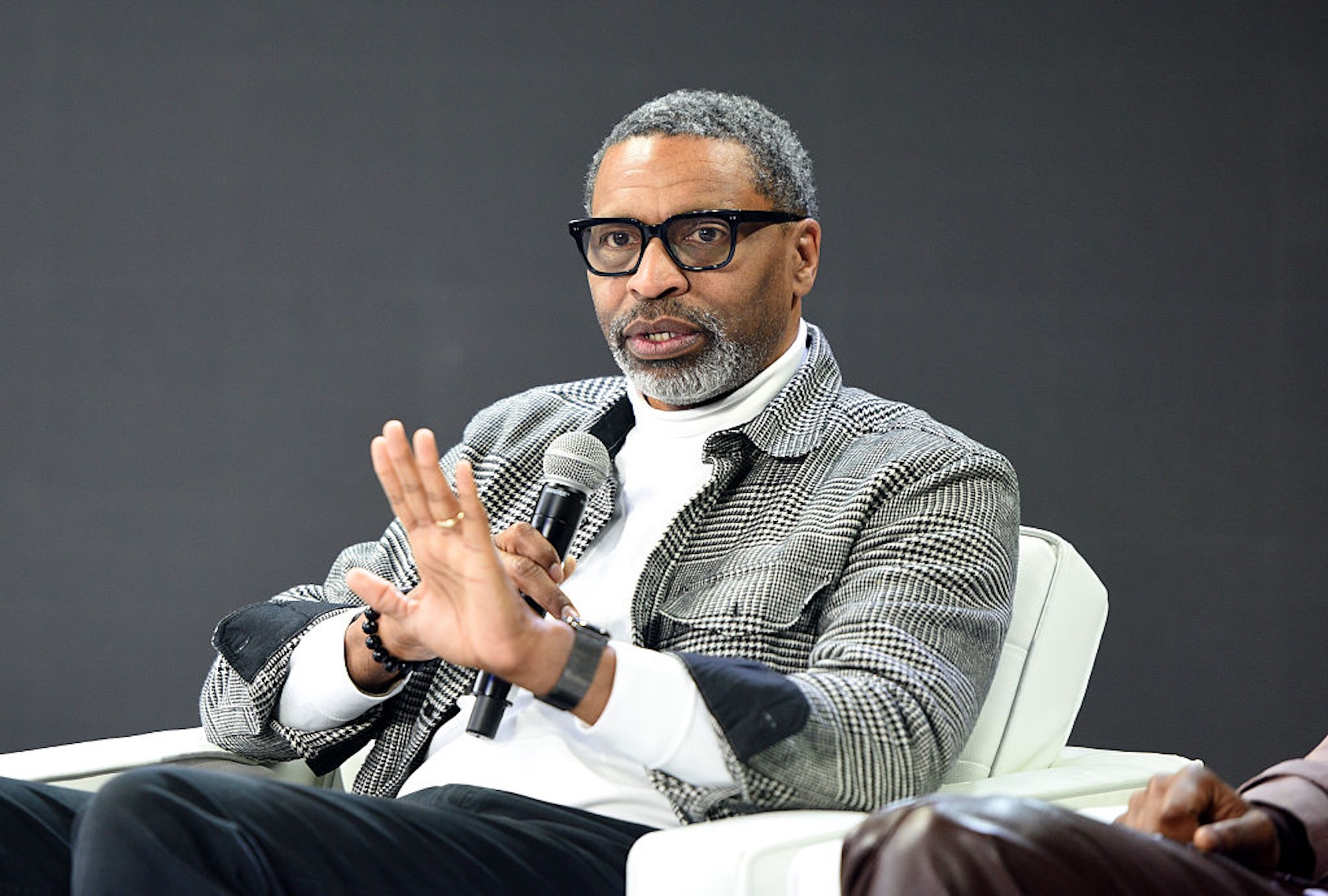
The current political climate in the United States has raised significant concerns about the integrity of democracy, particularly under the leadership of the Trump administration. According to Derrick Johnson, president and CEO of the NAACP, the ongoing efforts to undermine the legacy of the Civil Rights Movement represent a troubling regression in American democracy. Johnson’s insights come during a particularly reflective time, as February 2026 marks Black History Month, a period often dedicated to acknowledging both the struggles and achievements of African Americans.
Johnson asserts that the administration’s actions reflect a broader strategy to erase the advancements made during the Civil Rights Movement, potentially leading the nation back to an era reminiscent of the Gilded Age and Jim Crow laws. He describes the slogan “Make America Great Again” as a coded attempt to revert to a time when white supremacy was more overtly accepted in American society.
Understanding Race and Class Dynamics
In a recent conversation, Johnson discussed the intersectionality of race and class, emphasizing that both are manipulated to maintain social control. He noted, “Race is a tool that is used to maintain domination and control in this society.” By framing struggles faced by white Americans as being caused by minorities, powerful elites divert attention from the real issues affecting all marginalized groups. This tactic, he argues, has historically harmed both working-class white and Black communities.
Johnson highlighted that the definition of being an American seems precarious in today’s context. He pointed to alarming practices such as warrantless searches in places like Minneapolis, where federal agencies like Immigration and Customs Enforcement (ICE) have taken aggressive action against individuals exercising their rights. He emphasized that the Constitution should protect everyone equally, regardless of immigration status.
The Role of Civil Society Organizations
In light of rising authoritarianism, Johnson outlined the NAACP’s mission to protect voting rights and ensure representation for African Americans. He noted the need for greater electoral participation, as African Americans comprised only 11% of ballots cast in the 2024 elections, despite making up 13% of the total population. The organization is actively working to educate voters and mobilize communities for future elections.
Johnson expressed concern over recent actions by the Trump administration, including attempts to nationalize elections in key states. He indicated that these maneuvers are designed to gain control over voter rolls and influence upcoming elections, undermining democratic principles.
The NAACP is also leveraging legal avenues to advocate for voting rights and protect the constitutional rights of all individuals affected by discriminatory practices. Johnson argued that the civil rights division of the Department of Justice, once a defender of equal rights, has shifted focus under the current administration, prioritizing the interests of white citizens over marginalized groups.
Mobilizing Communities for Change
Reflecting on the state of American democracy, Johnson urged communities to continue protesting and advocating for their rights. He encouraged individuals to remain committed to the cause, stating, “It is their community today, and it could be your community tomorrow.” He acknowledged that while not everyone can be on the front lines, there are many ways to contribute to the resistance movement, whether through direct action or supportive roles.
As Americans grapple with the pressures of the current political landscape, Johnson likened the struggle for democracy to a marathon. He urged individuals to recognize their agency and power, emphasizing that a healthy democracy relies on active participation from all citizens. Johnson concluded with a hopeful perspective on the future, drawing inspiration from the resilience of past civil rights activists who worked tirelessly for change, often without certainty of success.
As the nation moves forward, the lessons of the Civil Rights Movement remain relevant, offering a blueprint for overcoming adversity and reclaiming the promise of democracy.