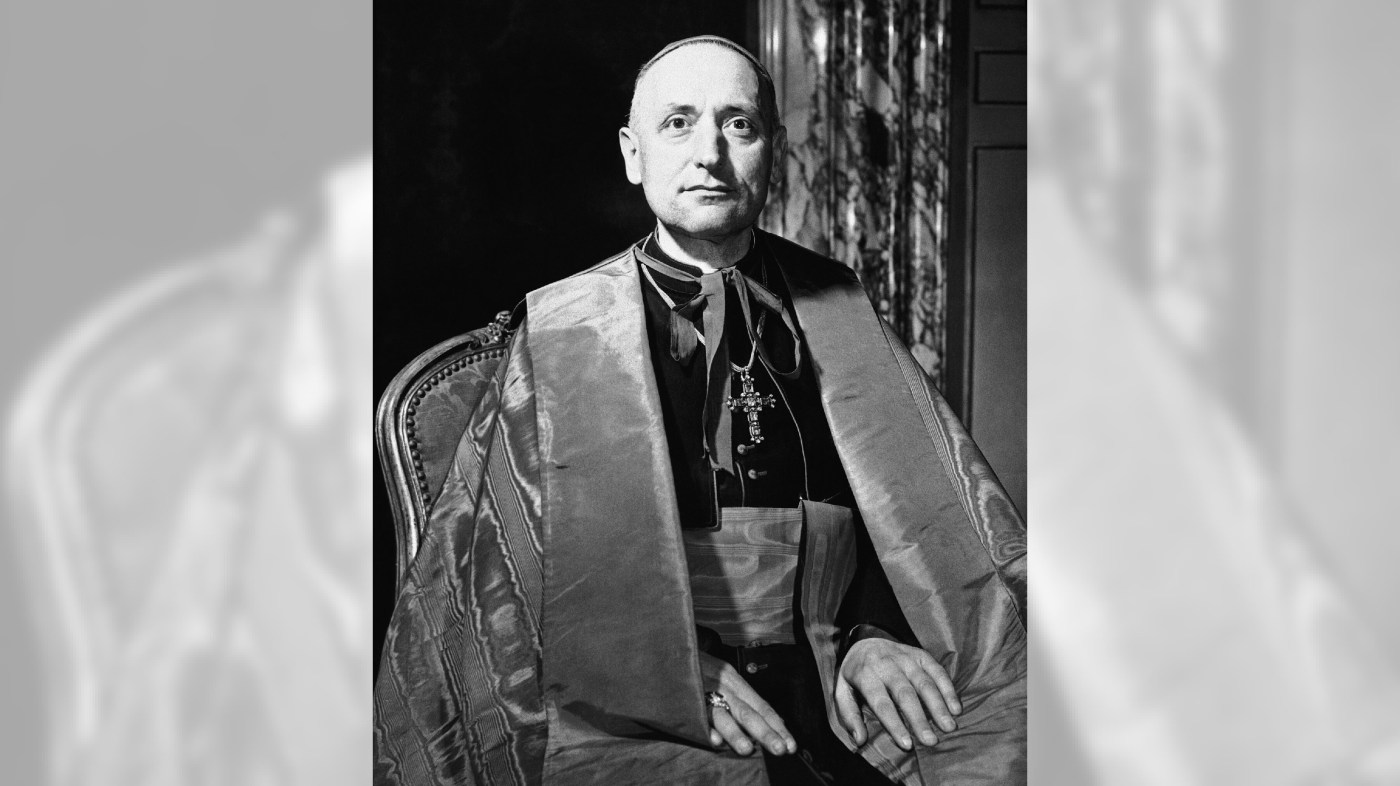
UPDATE: On this day, February 8, we reflect on a pivotal moment in history: the sentencing of Roman Catholic Cardinal József Mindszenty. In 1949, Cardinal Mindszenty was sentenced to life in prison for his staunch opposition to both the fascist and communist regimes in Hungary. His courageous stand against oppression resonates even today.
Just a few years later, during the 1956 Hungarian Revolution, he was released but sought asylum at the U.S. Embassy when Soviet forces invaded. Cardinal Mindszenty’s resistance to tyranny led to a remarkable 15-year stay at the embassy, making headlines worldwide until he left Hungary in 1971. He ultimately passed away in exile in Vienna in 1975.
Today marks not only the anniversary of Mindszenty’s sentencing but also reflects on significant historical events that occurred on this date. In 1587, Mary, Queen of Scots was executed at Fotheringhay Castle, a development that altered the course of British history.
In a tragic turn of events, the Orangeburg Massacre unfolded on this date in 1968, when three Black students were killed during protests at South Carolina State College. This shocking incident remains a haunting reminder of the struggles for civil rights in the United States.
Other notable events on February 8 include the incorporation of the Boy Scouts of America in 1910 and the first execution by lethal gas in the U.S. in 1924.
This day also marks the birthdays of influential figures. Legendary composer John Williams celebrates his 94th birthday today, while broadcast journalist Ted Koppel turns 86. The list includes various notable personalities, from actor Nick Nolte at 85 to hip-hop artist Anderson Paak at 40.
As we honor these historical milestones, the legacy of Cardinal Mindszenty serves as a powerful reminder of the importance of standing against oppression. His story continues to inspire movements for justice and freedom around the world.
Stay tuned for more updates on historical commemorations and their relevance in today’s fight for human rights.