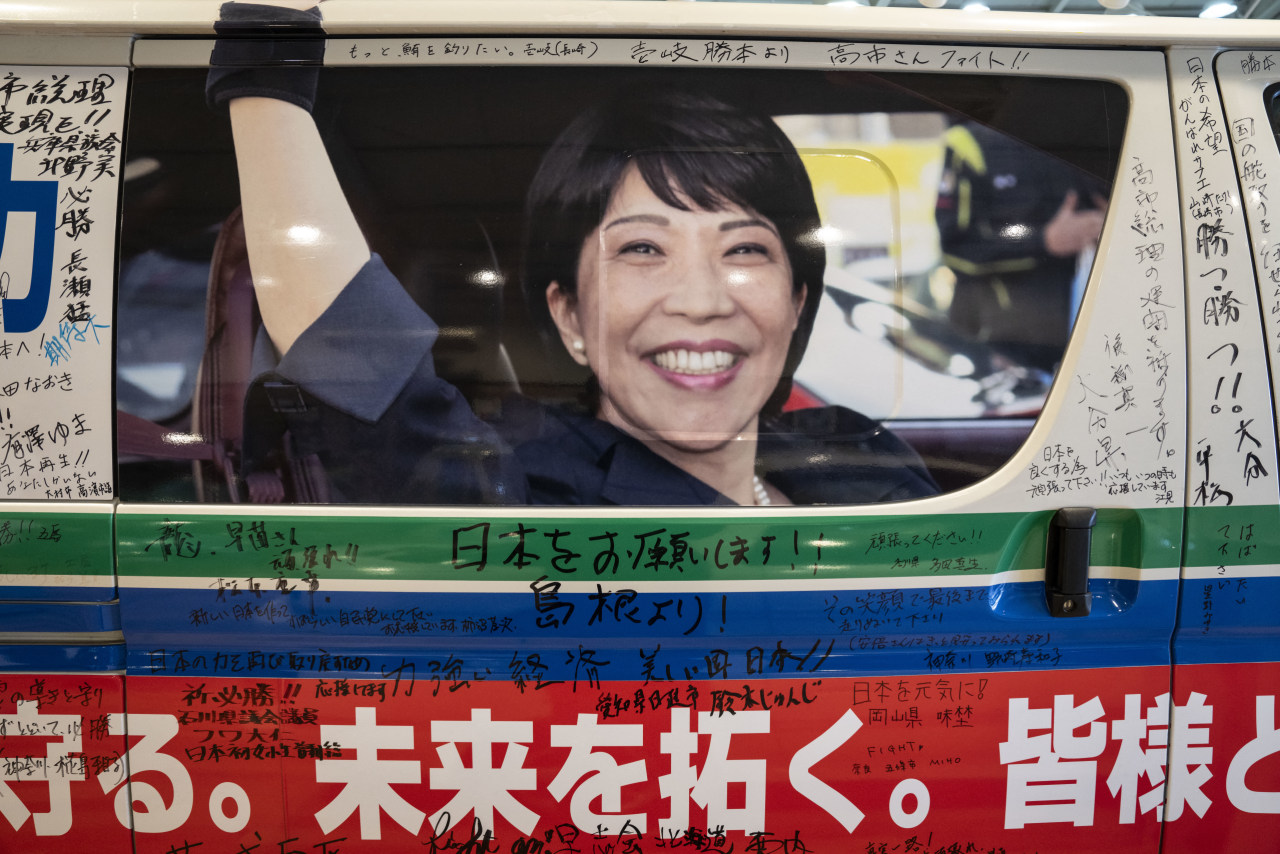
As Japan approaches its next election, a significant trend emerges: young voters are increasingly drawn to the leadership of Sanae Takaichi. The Conservative Prime Minister’s proactive approach and adept use of social media are resonating with the younger demographic, marking a shift in political engagement in the country.
The upcoming election, set for March 2024, has seen Takaichi’s popularity soar, particularly among those under 30. Her commitment to various social issues and her ability to connect with the youth are pivotal factors in this growing support. Takaichi has effectively utilized platforms like Twitter and Instagram, engaging directly with voters and addressing their concerns.
Connecting with Young Voters
Takaichi’s relatable persona and strong work ethic have made her a compelling figure for younger citizens. She frequently shares insights into her daily life as a politician, aiming to demystify the political process. This strategy has been particularly successful in bridging the gap between traditional politics and the younger generation, who often feel disconnected from established political figures.
Polls indicate that approximately 65% of voters aged 18 to 29 view Takaichi favorably, a significant increase compared to previous elections. As she addresses pressing issues such as climate change, economic stability, and social equality, her messages resonate with the priorities of younger voters.
Takaichi’s focus on digital engagement has also set her apart from other political leaders. By hosting live Q&A sessions and utilizing viral trends, she has created a sense of community among her followers. This approach not only enhances her visibility but also encourages young individuals to participate in the electoral process actively.
Challenges Ahead
Despite her rising popularity, Takaichi faces challenges in maintaining this momentum as the election date approaches. Critics argue that while her social media presence is strong, it may not translate into actual votes. Some analysts suggest that engagement online does not always reflect the commitment to vote in person.
Additionally, the Conservative Party’s historical ties may pose a hurdle. While Takaichi’s progressive messaging appeals to the youth, traditional party platforms may not align with the rapidly changing values of younger voters. It remains crucial for her to navigate these dynamics carefully to sustain and grow her support base.
As Japan’s political landscape evolves, the influence of young voters is becoming increasingly evident. Takaichi’s ability to connect with this demographic may redefine how political campaigns are conducted in the future. The outcome of the election will not only determine Takaichi’s fate but could also signal a broader shift in Japanese politics, emphasizing the importance of youth engagement in shaping the nation’s future.
In conclusion, as the election draws nearer, the spotlight remains on Sanae Takaichi and her efforts to secure the support of young voters. Her innovative strategies and commitment to addressing their concerns may well shape the political discourse in Japan for years to come.