Utility regulators in North Dakota have approved a compromise electricity rate increase for customers of Xcel Energy. On February 5, 2024, the North Dakota Public Service Commission (PSC) reached a deal that raises overall electricity rates by 10.37%, with residential customers facing an increase of 12.92%. This agreement is intended to shield North Dakota residents from subsidizing renewable energy projects in Minnesota.
The initial request from Northern States Power Co., a subsidiary of Minnesota-based Xcel Energy, sought a rate increase of 19.34%, with residential rates proposed to rise by over 24%. In response to concerns, Xcel Energy modified its proposal, resulting in a more manageable rate adjustment. North Dakota customers have been experiencing higher electricity costs this year due to an interim rate increase. The average residential customer saw an increase of $11.36 per month, with the final approved rate adding an additional 58 cents, resulting in a total increase of $11.94.
Xcel Energy has not requested a rate increase in the past four years. A company representative stated that the adjustment was necessary to address high inflation and fund significant investments in infrastructure. The approved rate increase will support the construction of a new service center in Grand Forks, as well as upgrades to substations and equipment.
Regulatory Insights and Exclusions
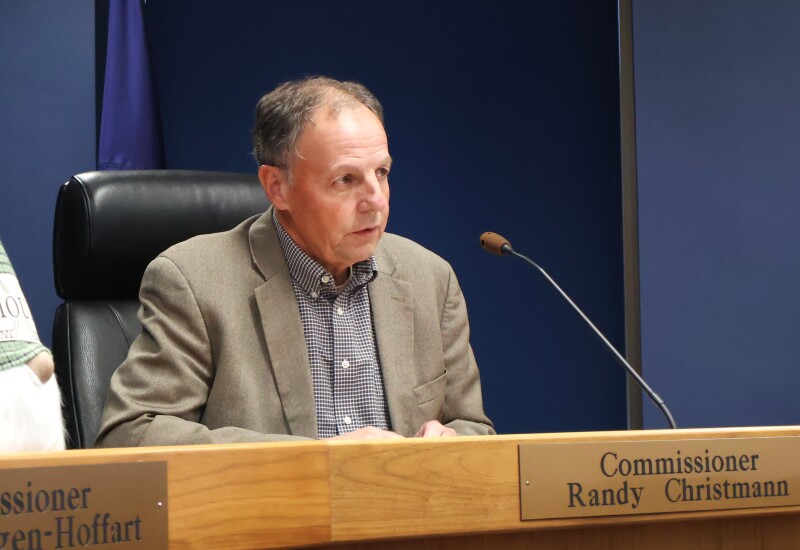
Commission Chair Randy Christmann expressed satisfaction with the agreement, noting that it prevents North Dakota customers from funding what he termed “green new deal” facilities in Minnesota. The settlement explicitly excludes costs associated with 23 renewable energy projects, primarily wind and solar facilities, from cost recovery.
“We want North Dakota customers to feel good about that,” said Christmann. The AARP, which had previously objected to the initial rate increase, welcomed the settlement but argued that businesses should shoulder a larger share of the costs. Josh Askvig, North Dakota State Director for AARP, stated, “Unfortunately, once again, we see a final settlement laying the onus on residential customers.”
The regulatory landscape is shifting as Minnesota pushes utilities to transition away from fossil fuels. Xcel is set to retire coal-fired power plants in Minnesota sooner than North Dakota regulators had anticipated. Earlier on the same day, the PSC approved an extension for coal mining at the Freedom Mine near Beulah. Christmann, who attended the PSC meeting remotely while returning from a regional power transmission conference in Arkansas, emphasized the importance of maintaining operational coal-fired power plants for grid reliability.
“It’s more important than ever to keep our baseload power plants operational,” he remarked, highlighting the ongoing challenges facing energy providers in balancing traditional and renewable energy sources.
As North Dakota customers adjust to the new electricity rates, the broader implications of these regulatory decisions will continue to shape the energy landscape in both states.