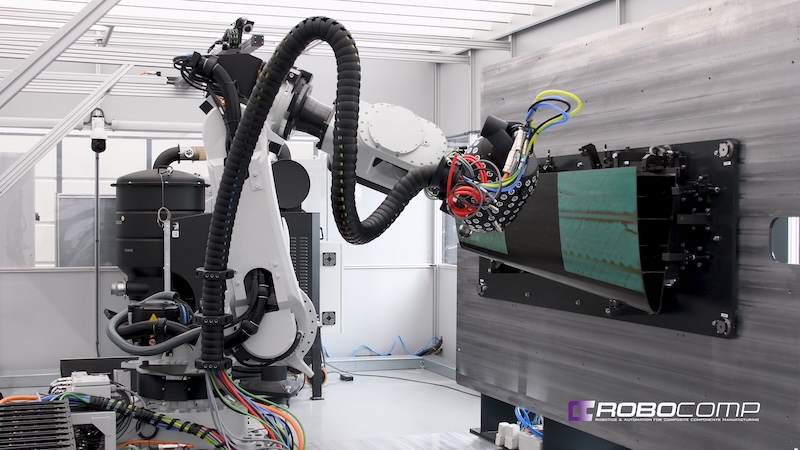
The aerospace industry is taking a significant step toward achieving its dual goals of reaching net zero emissions by 2050 and enhancing competitiveness through reduced production costs. A groundbreaking initiative led by the technology centre IDEKO has resulted in the development of a new generation of robotic cells designed to overcome the limitations of traditional manufacturing equipment.
Manufacturing processes in the aerospace sector have long relied on heavy, expensive, and inflexible machinery. This reliance not only contributes to high operational costs but also hampers the industry’s ability to innovate and adapt to emerging demands for sustainability. The innovative robotic cells promise to transform these processes by providing greater flexibility and efficiency while significantly reducing emissions.
Advancements in Robotics for Aerospace
The new robotic cells developed by IDEKO integrate advanced technologies that facilitate a more adaptable manufacturing environment. These systems allow for the production of complex aerospace components without the constraints imposed by traditional machinery. This flexibility is crucial as the industry seeks to respond to varying production demands while maintaining a commitment to environmental sustainability.
According to IDEKO, these robotic cells can operate with lower energy consumption and generate far fewer emissions compared to their predecessors. This development aligns with global efforts to combat climate change and supports the aerospace industry’s ambition to lead in green manufacturing.
The initiative reflects a broader trend toward digitization and automation in manufacturing, where the integration of smart technologies is becoming essential. With the introduction of these robotic solutions, aerospace manufacturers can optimize their production lines, leading to reduced waste and enhanced operational efficiency.
Impact on the Aerospace Sector
This innovation is expected to have a profound impact on the aerospace sector, which has been under pressure to improve its environmental footprint. By transitioning to these advanced robotic cells, manufacturers can expect not only cost savings but also a strengthened position in an increasingly competitive market.
The drive for net zero emissions has never been more urgent, given the growing regulatory framework around carbon emissions and the increasing consumer demand for sustainable practices. As more companies adopt these robotic systems, the aerospace industry could set a precedent for other manufacturing sectors aiming for similar sustainability goals.
Furthermore, the collaboration between IDEKO and industry partners signifies a collective commitment to pioneering solutions that can reshape the future of aerospace manufacturing. The successful implementation of these technologies could pave the way for further innovations, ultimately contributing to a greener and more efficient aerospace industry.
In summary, the introduction of new robotic cells by IDEKO marks a pivotal moment for the aerospace industry. By addressing the challenges of traditional manufacturing processes, this advancement not only supports the goal of achieving net zero emissions by 2050 but also positions the industry for greater competitiveness in the evolving global market.