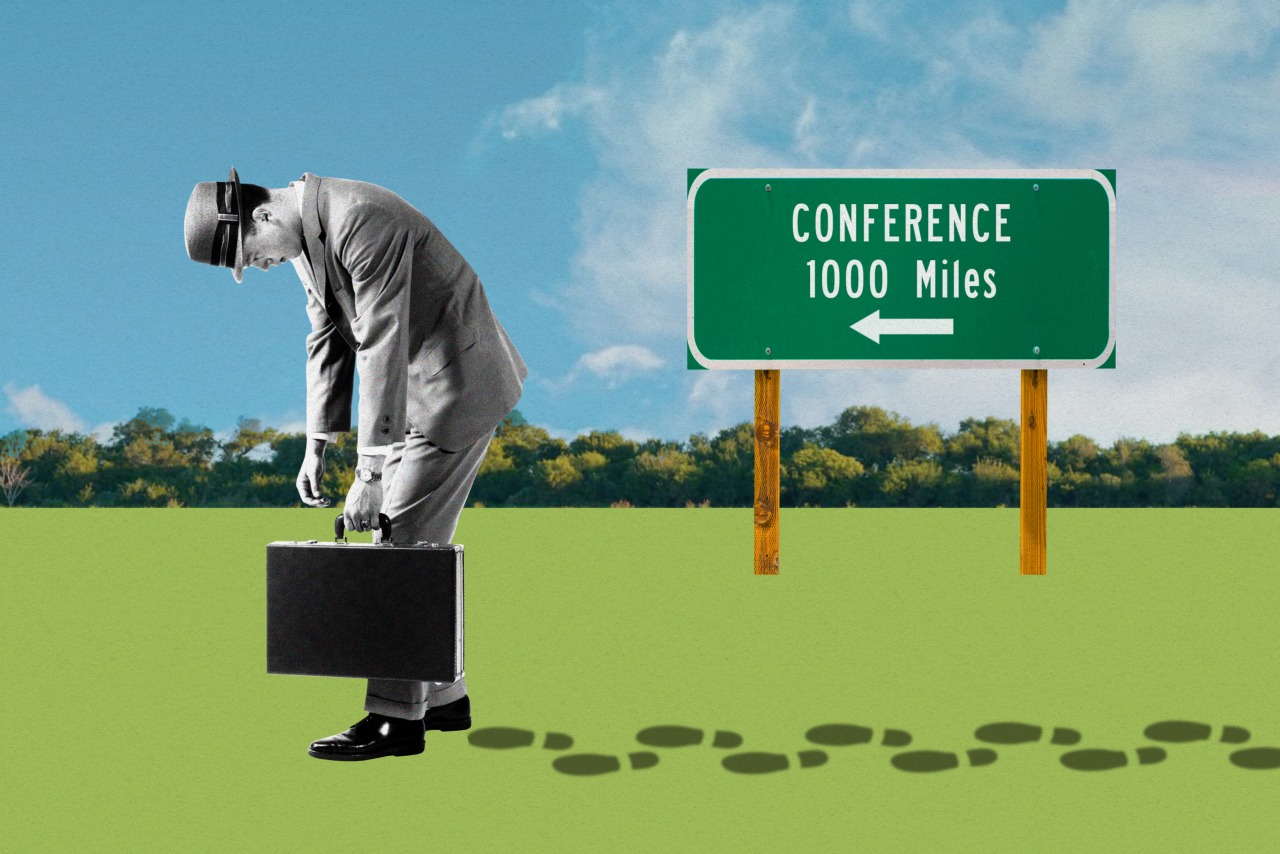
The workplace landscape has shifted dramatically as employees enter an era termed “travelscrimping.” This trend reflects a growing emphasis on cost-cutting and careful spending in professional travel and related expenses. As companies reassess their budgets in the wake of the pandemic, many are urging staff to prioritize frugality.
Travel expenses surged during the pandemic as remote work became commonplace. However, with many organizations now looking to streamline operations, the emphasis has turned toward optimizing travel costs. According to a recent survey conducted by the Global Business Travel Association, nearly 60% of companies report implementing stricter travel budgets compared to pre-pandemic levels.
Shifting Priorities in Business Travel
The concept of travelscrimping goes beyond merely reducing travel expenditures. It signifies a cultural shift within workplaces where employees are encouraged to manage their finances more prudently. Companies are not only cutting back on travel budgets but also promoting alternative meeting methods, such as virtual conferences. This approach has gained traction as remote work technologies have advanced, allowing teams to collaborate effectively without incurring travel costs.
In this new environment, employees are finding innovative ways to adjust their travel habits. Many are leveraging technology to minimize travel while maintaining productivity. The trend encompasses everything from opting for local meetings to utilizing online resources that facilitate collaboration without the need for in-person gatherings.
The Rise of Self-Promotion at Work
In addition to travelscrimping, employees are increasingly recognizing the value of self-promotion in their careers. In a competitive job market, asserting one’s achievements has become essential. A report from the Society for Human Resource Management indicates that professionals who actively showcase their accomplishments are more likely to receive promotions and salary increases.
As companies navigate the aftermath of the pandemic, many are reversing the hiring boom that characterized the early stages of recovery. Job openings have slowed down significantly, prompting employees to take charge of their professional narratives. This shift emphasizes the importance of personal branding in an era where remote work has blurred the boundaries of traditional office dynamics.
The dual trends of travelscrimping and enhanced self-promotion highlight a broader economic adjustment within the workforce. As organizations recalibrate their operations, employees are adapting to new realities that demand both financial prudence and assertiveness in career advancement. This evolving landscape presents both challenges and opportunities, making it essential for professionals to remain agile and proactive.
With the economic implications of these trends still unfolding, businesses and employees alike must navigate the complexities of a post-pandemic world. The focus on cost-saving measures and the necessity of self-advocacy will likely shape the future of work in significant ways. As March 2024 unfolds, the impacts of these changes will continue to resonate across various industries, influencing hiring practices and personal development strategies alike.