West Virginia officials report positive developments in child abuse prevention as the state implements significant reforms to its child welfare system. The Department of Human Services (DHS) has announced that expanded prevention services are starting to yield results, following a critical federal audit that highlighted the need for substantial improvements.
Expanded Services Yield Early Results
In response to the federal audit, which raised concerns about the effectiveness of the state’s child welfare system, West Virginia has prioritized enhancing prevention services. DHS Secretary Bill Crouch detailed that initiatives aimed at reducing instances of child abuse and neglect are beginning to show measurable gains. These services include increased funding for community programs that support at-risk families.
Data released by the agency indicates that the number of families receiving prevention services has risen by approximately 30% over the past year. Crouch emphasized that these early interventions are crucial in addressing issues before they escalate, ultimately protecting children from harm.
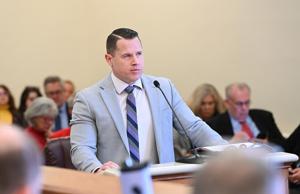
“We are committed to ensuring that every child in West Virginia has a safe and supportive environment,” Crouch stated during a press conference in Charleston. “The progress we’re seeing is a direct result of our efforts to strengthen our prevention strategies.”
Focus on Community Engagement
The reforms also emphasize community engagement, with local organizations playing a pivotal role in delivering services directly to families in need. The DHS has collaborated with various non-profits to create tailored programs that address specific community challenges. These partnerships are designed to foster a more holistic approach to child welfare.
In addition to preventive measures, the DHS is also focusing on improving the overall child welfare system. This includes enhancing training for child protective services workers and streamlining processes to ensure timely responses to reports of abuse. According to the DHS, these changes aim to create a more effective and responsive system that prioritizes the safety and well-being of children.
The state plans to continue monitoring the impact of these reforms, with further evaluations scheduled for later this year. The DHS aims to keep stakeholders informed about progress and challenges as they work towards a more robust child welfare framework.
As West Virginia navigates these changes, the emphasis remains on creating lasting, positive outcomes for children and families throughout the state. The commitment to reform, coupled with early indications of success, provides a hopeful outlook for the future of child welfare in West Virginia.