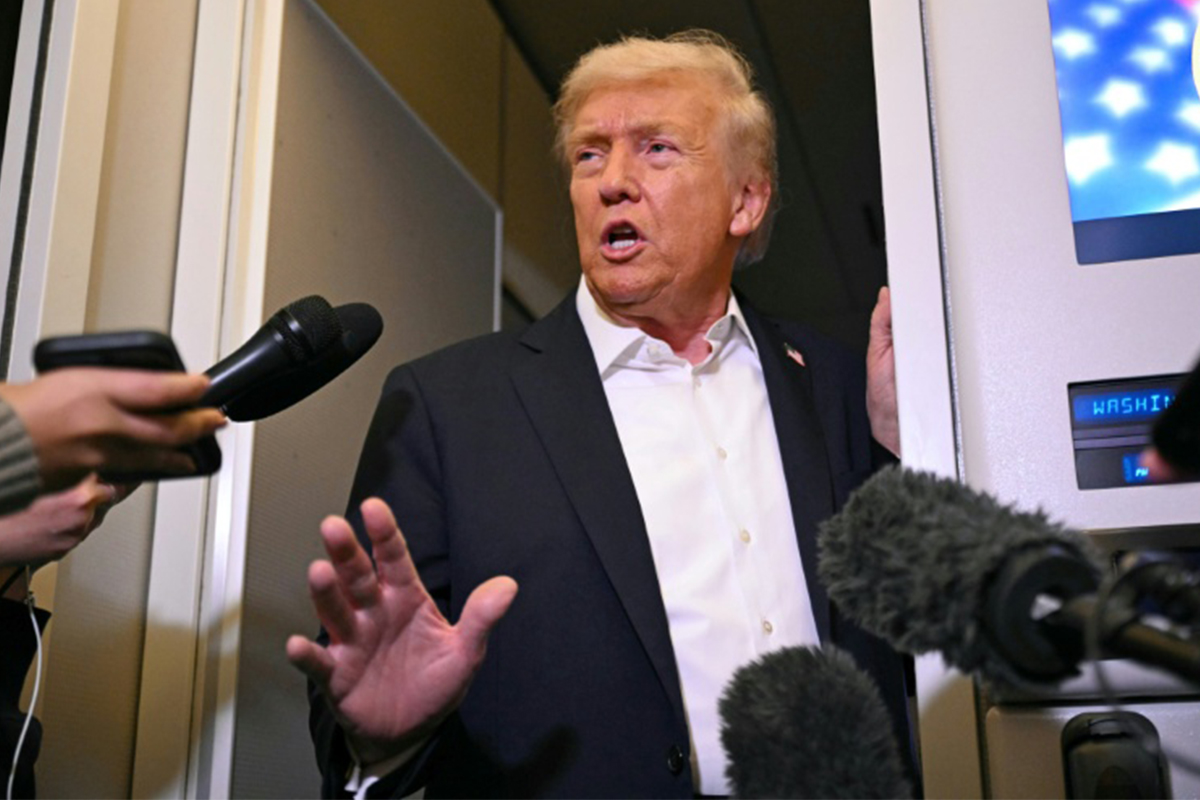
President Donald Trump has extended an invitation to China and India to invest in Venezuela’s oil industry, reflecting a significant shift in global energy dynamics. This announcement follows the U.S. government’s increased involvement in Venezuelan oil sales after the capture of former president Nicolás Maduro. During a flight aboard Air Force One, Trump emphasized that both nations would benefit from engaging with Venezuela’s oil sector, which is undergoing substantial changes.
“China is welcome to come in and will make a great deal on oil,” Trump stated, confirming that discussions with India regarding Venezuelan crude are progressing. He mentioned, “India’s coming in and they’re going to be buying Venezuelan oil, as opposed to buying it from Iran.” This strategy marks a pivotal moment for U.S. foreign policy in Latin America, particularly as Venezuela’s interim government implements reforms aimed at attracting foreign investment.
Shifts in Oil Trade Dynamics
Recent developments in Venezuela’s oil framework include a reduction in taxes and an increase in foreign ownership, allowing international firms greater access to the market. Following these reforms, the U.S. Treasury Department issued a general license that expands the capacity for U.S. firms to export, sell, and refine Venezuelan oil.
This shift positions the United States to import a record volume of Venezuelan oil this year, primarily through Chevron, which has received a license to market sanctioned crude. Trading companies such as Vitol and Trafigura are also set to handle Venezuelan oil under agreements brokered by the U.S., with expectations to transport approximately 14 million barrels of crude.
In contrast, Venezuelan oil exports to China have drastically declined. Once averaging about 400,000 barrels per day last year, shipments fell to zero in January as the U.S. intensified efforts to monitor vessels involved in transporting sanctioned oil. Chinese refiners have increasingly turned to discounted Iranian crude to compensate for the loss of Venezuelan supply, according to sources cited by Reuters.
U.S. Strategy and International Relations
During a recent Senate hearing, Marco Rubio, Secretary of State, criticized China’s longstanding relationship with Venezuela. He argued that Beijing has benefited from opaque financing arrangements, which he claims have shielded it from risks associated with the volatile market. Rubio articulated that the U.S. strategy aims to channel Venezuelan oil sales into “transparent, accountable markets” rather than allowing revenues to flow through what he described as state-to-state deals lacking oversight.
While Indian refiners have expressed interest in Venezuelan crude, they have faced limited offers as most available supplies have been directed toward U.S. and European markets. Industry executives indicated to Reuters that discounts have yet to incentivize purchases significantly, although some firms are exploring smaller arrangements.
Trump has reaffirmed that the United States will oversee Venezuelan oil sales for the foreseeable future. Washington is actively encouraging foreign companies to invest in revitalizing the country’s energy infrastructure, aiming to reshape the global market for Venezuelan crude. This renewed focus on Venezuela’s oil sector underscores the geopolitical implications of energy trade and the strategic interests of major economies in the region.