Legislation passed by the New Mexico House of Representatives has prompted strong reactions from state lawmakers, particularly among Republicans. On February 2, 2024, the House approved House Bill 9, which prohibits local governments from entering into contracts with the federal government for the detention of undocumented immigrants and individuals with pending immigration cases.
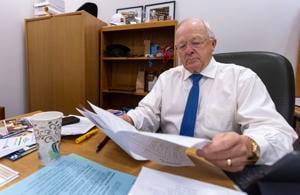
Republican Senator Jim Townsend expressed his dismay over the bill’s implications, claiming it could jeopardize approximately 1,000 jobs statewide. In a Facebook post following the vote, Townsend stated, “It was sickening to me to watch representatives of the people cause their own constituents to lose their jobs.” He criticized the Democratic majority for prioritizing their opposition to former President Donald Trump over the welfare of New Mexicans.
The bill passed largely along party lines, with three Democrats joining Republicans in opposition. Townsend recounted a conversation with a Democratic representative who felt compelled to support the bill due to the political climate, stating, “We punished New Mexicans that we represent for political reasons. Shameful. Absolutely disgusting.”
In a bid to halt the legislation, Townsend reached out to U.S. Attorney General Pam Bondi for federal assistance. The ongoing legislative session in New Mexico, which is currently at its midpoint, has been characterized by a rapid pace of proposed bills.
As the session continues, tensions are expected to escalate, particularly with the upcoming discussion of Senate Bill 18, known as the Clear Horizons Act. This proposed legislation aims to codify New Mexico’s emission reduction targets and will be debated in the Senate chambers due to anticipated high attendance from supporters and opponents alike.
Proponents of the Clear Horizons Act argue it is crucial for ensuring families have access to clean air and a stable future. They claim broad support from various coalitions across the state. In contrast, the New Mexico Oil and Gas Association (NMOGA) has launched a campaign against the bill, asserting it would harm the state’s economy and increase living costs for residents.
NMOGA has been active in opposing the Clear Horizons Act using social media advertisements. One ad highlights the members of the Senate Conservation Committee and urges constituents to inform their senators not to raise the cost of living. The association maintains that every New Mexican will feel the negative effects of the bill if passed.
As the legislative session progresses, the outcomes of these contentious bills could significantly impact both the local economy and immigration policy in New Mexico. The next few weeks will be crucial as lawmakers navigate the complex interplay of public sentiment, economic implications, and political motivations.