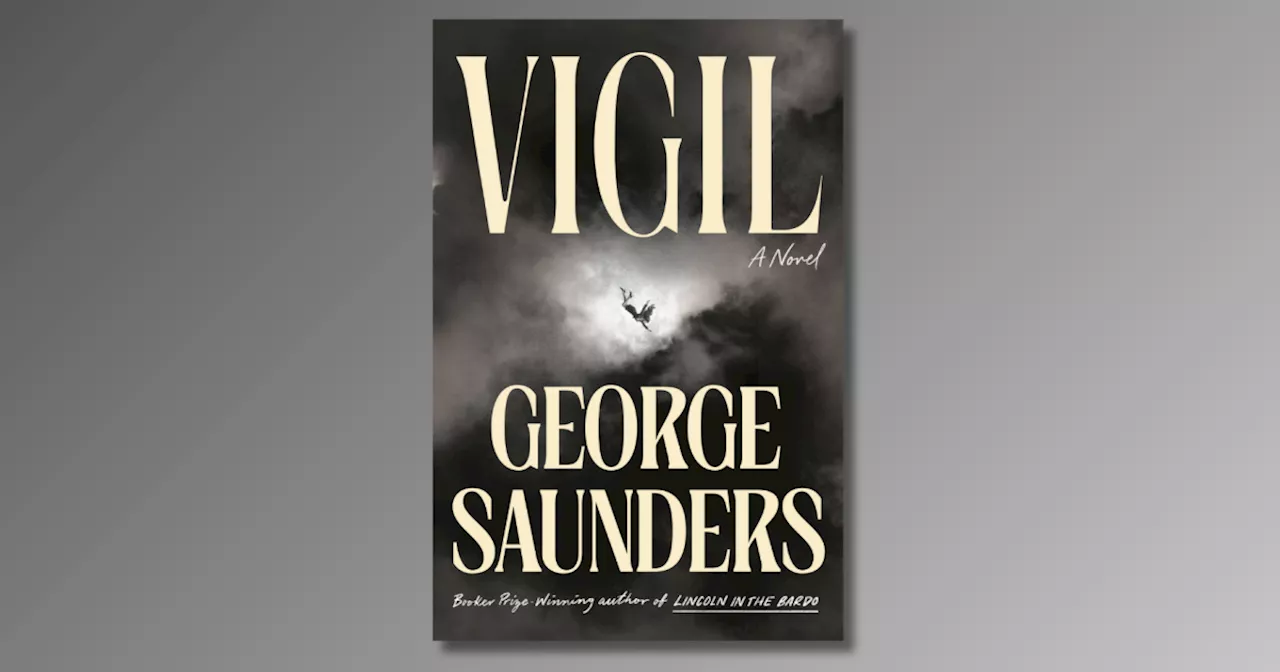
Author George Saunders revisits the concept of the Bardo—a transitional state between life and death—in his latest novel, Vigil. This narrative follows the final moments of K.J. Boone, a controversial oil company CEO, as he navigates the afterlife and interacts with other deceased characters. The book delves into profound themes of mortality, regret, and the essence of existence, prompting readers to reflect on their own lives and choices.
Set against a backdrop that echoes the poignant historical context of February 1862, when Abraham Lincoln mourned the death of his son Willie, the novel contrasts the weighty grief of Lincoln’s story with the seemingly mundane demise of Boone. Boone embodies the archetype of corporate greed, having manipulated facts and prioritized profits over ethical considerations. His interactions in the Bardo reveal a deeper commentary on the consequences of such actions.
In this ethereal setting, readers meet Jill “Doll” Blaine, a spiritual facilitator who has guided over 340 souls through their transition. As Boone’s spiritual guide, she attempts to help him confront the realities of his life. Yet, Boone remains obstinate, believing there is nothing wrong with his choices. As one of the Bardo visitors points out, “His long service to his colossal ego begins to undo him,” highlighting the stark contrast between his self-perception and the moral reckoning he faces.
The novel’s structure allows for a more dynamic narrative as it shifts focus to Jill, who grapples with her own past and longings. A wedding occurring next door to Boone’s estate stirs memories of her previously lived life, drawing her closer to the earthly realm. In a moment of vulnerability, she reflects on her deceased parents, revealing the emotional weight of her experiences. “Seeing their graves was the hardest blow of all,” she recalls, illustrating the universal struggle with loss and the search for meaning.
Saunders’ writing style masterfully intertwines the profound and the comedic, creating a unique reading experience. This blend of elements enriches the narrative, particularly in the sections centered around Jill, where humor and heartache coexist.
While Vigil may not reach the same critical heights as Lincoln in the Bardo, it still offers valuable insights into the human condition. The exploration of Boone’s character as a stereotypical Captain of Industry may detract from the overall impact, but the focus on Jill’s journey elevates the story. Critics note that the novel’s emotional depth lies in its ability to evoke contemplation about existence, mortality, and the legacy one leaves behind.
Maureen Corrigan, a prominent book critic for NPR’s Fresh Air, emphasizes the importance of Saunders’ work in contemporary literature. Her recognition of his contributions, including the Nona Balakian Citation for Excellence in Reviewing awarded by the National Book Critics Circle, underscores the significance of his narratives in fostering discussion around morality and human experience.
As readers engage with the themes presented in Vigil, they are invited to reflect on their own lives and the choices they make. Saunders’ return to the Bardo serves as a reminder of the complexities of existence and the enduring impact of our actions during our lifetime.