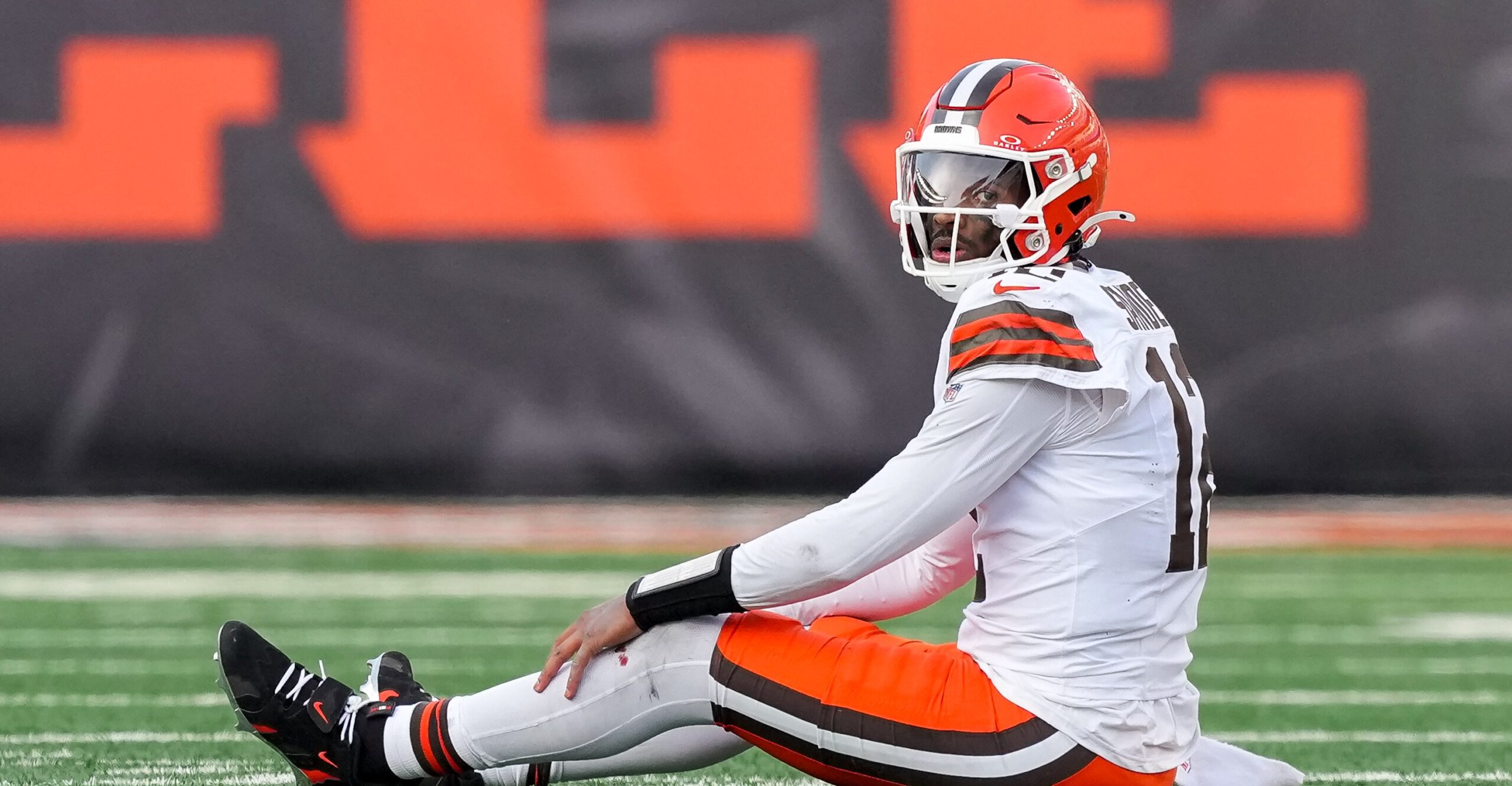
Shedeur Sanders has been named an alternate for the 2026 Pro Bowl, a decision that has sparked considerable debate among fans and analysts alike. The selection comes as the result of injuries and other factors affecting the quarterback pool in the American Football Conference (AFC). Sanders will replace Drake Maye, who is unable to participate due to his team, the New England Patriots, reaching the Super Bowl.
The choice to include Sanders, who finished the 2025 season with underwhelming statistics, raises eyebrows. His performance metrics include just 1,400 passing yards, a 56.6% completion rate, and a passer rating of 68.1, placing him among the lowest-rated quarterbacks in the league. These figures rank him 35th in the NFL for passing yards, 42nd for completion percentage, and 41st in passer rating.
In light of these statistics, many argue that his inclusion in the Pro Bowl is unwarranted. A comparison of Sanders to other quarterbacks in the AFC who performed better yet did not receive a Pro Bowl nod highlights the controversy. Notable players such as Joe Burrow of the Cincinnati Bengals and Aaron Rodgers of the Pittsburgh Steelers are among those who outperformed Sanders but were overlooked.
Debate Over Selection Criteria
Critics question whether Sanders’ selection was influenced more by marketability than by performance. Despite his struggles on the field, Sanders is a high-profile player, generating significant attention, which may have played a role in his selection over more deserving candidates. Some observers noted that it is possible the nine other quarterbacks who had better seasons simply declined invitations, although this remains speculative.
Examining the historical context of the Pro Bowl, Sanders’ selection raises questions about the criteria for inclusion. Since the Pro Bowl’s inception in 1951, few players have had passer ratings as low as Sanders during their selections. In fact, among quarterbacks since the Super Bowl era, he ranks 15th for the lowest passer rating of any Pro Bowl participant. Over the decades, the average passer rating has evolved, suggesting that comparisons across eras require caution.
To put Sanders’ performance into perspective, the lowest-rated Pro Bowl quarterbacks from past decades include Brett Favre in 1993 with a rating of 72.2, Vince Young in 2006 at 66.7, and Andrew Luck in 2012 with a rating of 76.5. With Sanders’ rating at 68.1, he stands out as the least effective quarterback in the modern era of the Pro Bowl.
Future Implications for Sanders
While Sanders may find himself in the Pro Bowl spotlight, his future remains uncertain. The disparity between his performance and that of other candidates raises significant questions about his readiness for the league’s highest-profile games. As a rookie, he faces the typical challenges of adjustment to the professional level, but the public scrutiny surrounding his selection could impact his development.
In light of these events, Deion Sanders, Shedeur’s father and head coach, expressed his happiness over the selection, remarking, “GOD IS GOOD SO GOOD!” on social media, highlighting the pride he feels for his son despite the controversy.
The upcoming Pro Bowl promises to be an intriguing event, not only for its on-field action but also for the discussions it has sparked regarding athlete selection criteria and performance standards in professional sports.