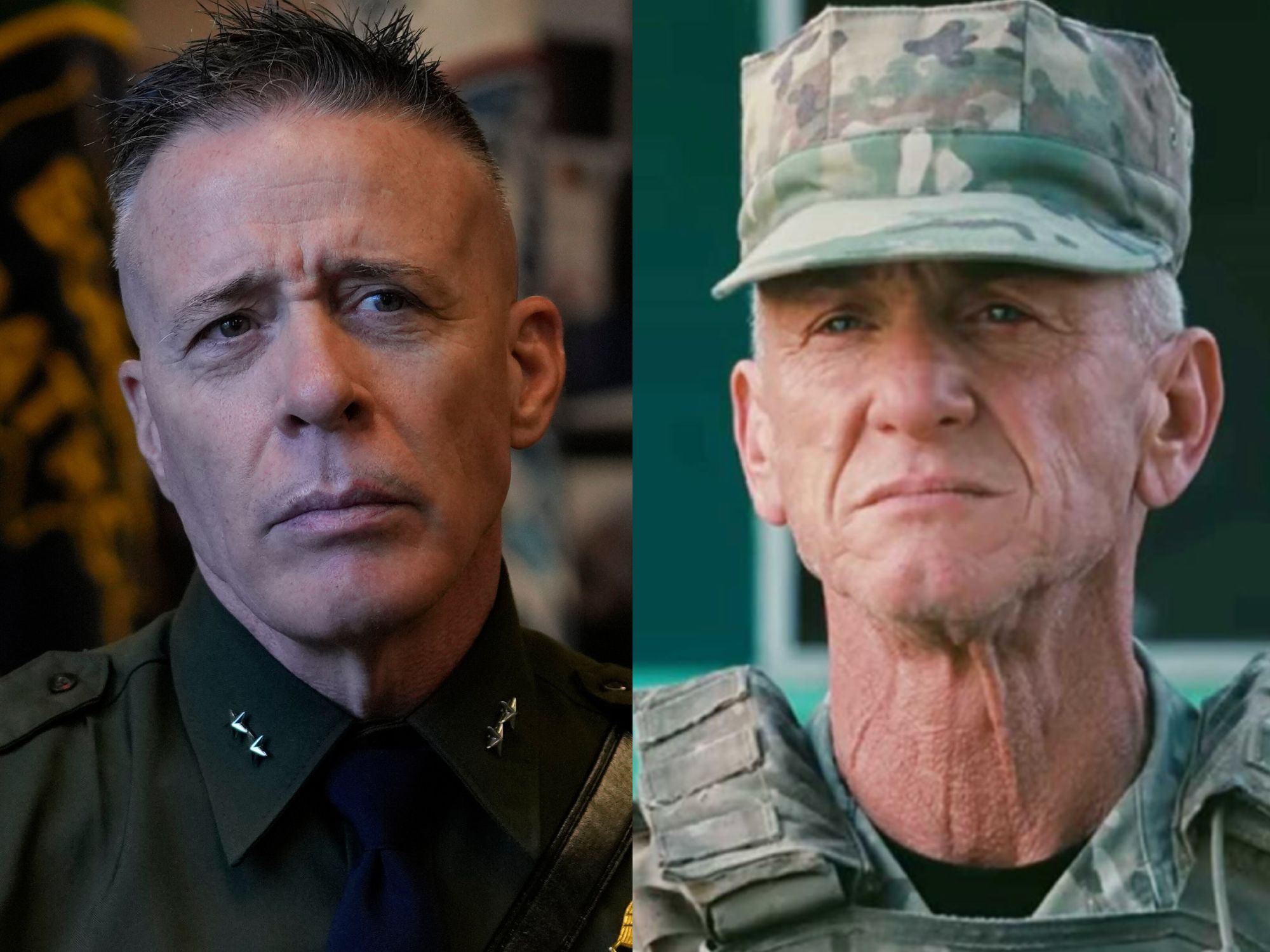
Gregory K. Bovino, the Customs and Border Protection (CBP) “commander-at-large,” has been ordered to return home following a tumultuous period in Minneapolis. His departure comes after mounting public criticism of CBP and Immigration and Customs Enforcement (ICE) operations in the city. In a notable shift, Tom Homan, previously referred to as the border czar, will assume Bovino’s position.
Bovino’s career, spanning three decades, has drawn attention for its controversial nature. Prior to his high-profile role in Minneapolis, he served as chief in the less prominent El Centro sector of California. His image as a tactical commander was solidified during a mass raid in Los Angeles last June, where he became emblematic of the Trump administration’s aggressive immigration strategies in both Chicago and Minneapolis.
The recent upheaval in his career was accelerated by a backlash against CBP operations, particularly following the release of footage depicting the unarmed killing of Alex Pretti. This incident prompted President Donald Trump to reconsider the administration’s approach to immigration enforcement in the city.
Bovino’s past has also surfaced in light of a discrimination lawsuit that was settled in 2022. The suit alleged that he manipulated the hiring process within CBP to disadvantage qualified Black and Latino candidates for senior supervisory roles. These allegations were raised by a former employee, Jon Joyner, and others, asserting that he had canceled job postings to favor a white candidate, Christopher Bullock.
During depositions related to the lawsuit, Bullock described Bovino’s leadership style in racially charged terms, likening him to a Confederate general. Bovino’s response to this email was a dismissive “Oh jeez, DELETE!!!!!” He later claimed that the email did not warrant further action, despite Bullock facing formal reprimand for sending it.
Bovino’s removal also comes at a time when his personal security has been a subject of speculation. Administration officials claimed he was the target of cartel assassination attempts, a narrative that recently faltered in federal court.
The scrutiny surrounding Bovino intensified as details about his personal email security emerged. Leaked passwords associated with his accounts raised questions about his ability to maintain privacy and security. One password, a combination of the word “Redbone” and numbers, has prompted discussions regarding its implications, while another appeared to be a misspelling of “Sepuku,” a term related to Japanese ritual suicide.
Additionally, Bovino’s career trajectory has been influenced by cinematic portrayals of border enforcement. He has mentioned that his interest in joining the CBP was sparked by a family connection to the film The Border, featuring Jack Nicholson. In a 2021 interview, Bovino revealed that his great-uncle, Neil Hartley, produced the film, which focuses on the moral complexities faced by immigration officers.
As Bovino returns to El Centro, near the scenic Anza-Borrego Desert State Park, his future remains uncertain. Observers note that his tactics and approach to immigration enforcement have drawn significant criticism, particularly in light of the recent violent incidents in Minneapolis.
When approached for comment, a CBP spokesperson did not confirm whether Bovino had seen the film that inspired his career choice. The implications of his leadership and the controversies surrounding his tenure will likely continue to be scrutinized as the CBP navigates its operational challenges moving forward.