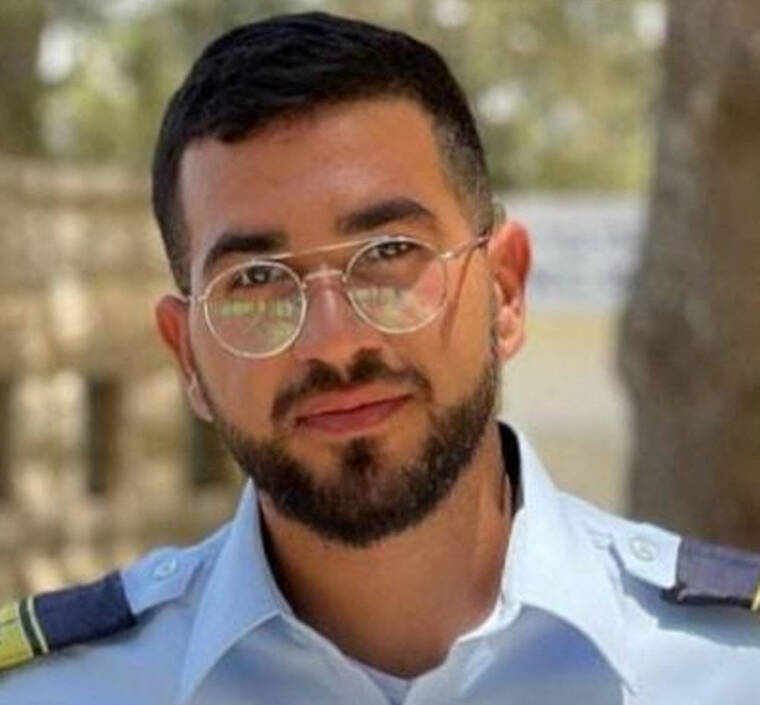
Israel’s military announced the recovery of the remains of the last hostage held in Gaza, marking a significant development in the ongoing conflict. The remains of police officer Ran Gvili, who had been missing for over 840 days, have been identified and will soon be returned for burial, according to a military statement released on March 15, 2024. This recovery fulfills a key condition of the initial phase of the peace plan proposed by former U.S. President Donald Trump aimed at resolving the conflict in the Palestinian territory.
Gvili was killed during a Hamas attack on southern Israeli communities on October 7, 2023, an incident that triggered a two-year Israeli military offensive. His remains’ recovery could facilitate the limited reopening of the Rafah Crossing, Gaza’s primary connection to Egypt, in accordance with Israeli commitments. The Palestinian committee of technocrats, with U.S. backing, has indicated that the crossing may open this week, although a government spokesperson did not provide specific timelines.
A National Moment of Reflection
Footage from Israeli news channels showed soldiers gathered at the site where Gvili’s body was recovered, singing a Hebrew song that reflects Jewish hope and faith. Images captured included a casket draped in the Israeli flag, surrounded by military personnel honoring the fallen officer. Gvili’s mother, Talik Gvili, took to social media to honor her son, describing him as a hero who sacrificed his life for his country.
Israeli Prime Minister Benjamin Netanyahu praised the recovery as an “unbelievable achievement for the State of Israel,” emphasizing Gvili’s bravery. “Rani is a hero of Israel, who went in first and he emerged last,” Netanyahu stated while addressing reporters at the Knesset.
Gvili was among 251 hostages taken by militants during the October attack. At the time of a ceasefire agreement reached in October, there were still 48 hostages believed to be in Gaza, with 28 of them thought to be deceased, including Gvili. The return of all hostages, both living and deceased, was a crucial element of the initial phase of the ceasefire deal, though many aspects of the agreement remain unfulfilled, leaving significant divisions over future steps.
Implications for Gaza and International Relations
The return of Gvili’s remains has been anticipated as a moment of national healing in Israel. The October attack was described as the most traumatic event in the country’s history, with the highest number of Jewish deaths since the Holocaust. Across Israel, symbols of solidarity have been displayed, including yellow ribbons and posters bearing the images of hostages, while weekly demonstrations have taken place at a Tel Aviv plaza known as Hostages Square.
Despite Gvili’s body being returned, the Trump administration has already announced that its U.S.-led plan to end the war will progress to its next phase. This phase is set to encompass the reconstruction of Gaza and its demilitarization. A spokesperson for Hamas, Hazem Qassem, confirmed that the recovery of Gvili’s remains reflects Hamas’ commitment to the plan. “We will continue to uphold all aspects of the agreement, including facilitating the work of the national Gaza administration and ensuring its success,” Qassem remarked, indicating that information provided by Hamas assisted in locating Gvili’s body.
Initially, the Rafah Crossing was expected to open during the early stages of the peace plan. However, Israeli officials had consistently insisted that Hamas must first return Gvili’s remains. Reports indicate that Israel intends to impose restrictions on the number of Palestinians entering Gaza through the crossing, ensuring that fewer individuals enter than exit, while also screening all who pass through at a nearby Israeli military checkpoint.
The October attack by Hamas resulted in approximately 1,200 fatalities, according to Israeli sources, while Gaza’s health authorities report that Israeli military actions have claimed the lives of around 71,000 Palestinians. The recovery of Gvili’s remains, amidst the broader context of conflict, highlights the profound human impact of the ongoing strife and the challenges ahead for both peace and reconstruction efforts.