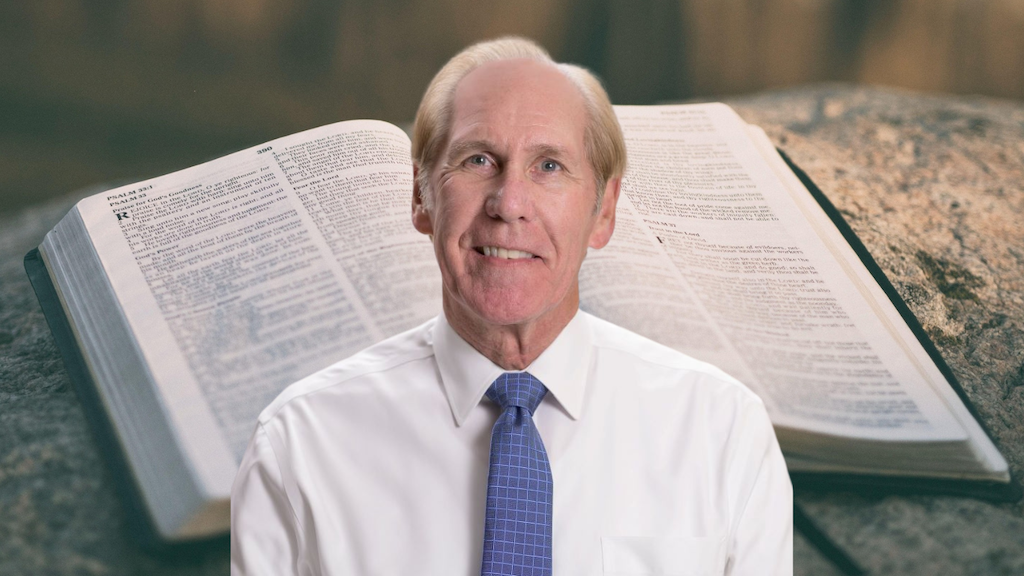
In a thoughtful reflection on generational change, Michael J. Brooks, pastor of Siluria Baptist Church in Alabaster, Alabama, examines the differences in cultural expressions between generations and how they shape perceptions of faith and community. His observations highlight how the superficial aspects of modern youth culture often distract from deeper issues of love and service.
Brooks recalls the cultural upheaval of the 1960s, a time when his parents viewed figures like the Beatles as symbols of rebellion. With their long hair and provocative lyrics, these icons represented a challenge to the norms of the day. Reflecting on this, he notes how parents often fixate on appearances rather than the underlying values being expressed. For instance, he recounts a family moment when his father dismissed anti-Vietnam War protestors based solely on their hairstyles, failing to grasp the significance of their message.
The pastor draws parallels to modern youth trends, such as tattoos, piercings, and unconventional hairstyles. He shares an anecdote about a young pastor who took his staff to get tattoos, prompting Brooks to consider the implications for church budgets rather than the deeper motivations behind such choices. He reflects on a past experience where he faced criticism for using his own Bible instead of the large King James version typically placed on the pulpit, illustrating how decorum can overshadow the true intent of worship.
Shifting Focus to the Core Values of Faith
Brooks emphasizes the need for patience and understanding among different generations within the church. His commitment to focusing on what truly matters in faith is rooted in the phrase popularized by a former denominational leader: “The main thing is to keep the main thing the main thing.” He acknowledges that what may bother him—such as disorganized spaces or differing worship styles—can detract from the essential message of hope and love.
He recalls a time when he served at a church and was preoccupied with clutter in the sanctuary, despite his primary responsibility being to deliver a message of hope. This anecdote serves as a reminder that the focus should always be on nurturing relationships and serving the community, rather than being sidetracked by trivial concerns.
Brooks cites biblical teachings that encourage believers to act with love and unity. He urges his fellow church members to embrace a spirit of cooperation, recalling the lyrics of Russ Taft: “You’re my brother, you’re my sister / so take me by the hand.” This sentiment encapsulates the essence of community and shared purpose, which transcends generational differences.
In closing, Brooks calls for a renewed commitment to understanding and patience among members of the church, regardless of age. He acknowledges the challenges posed by cultural shifts but emphasizes that the core message of love and service remains unchanged. By fostering an environment of acceptance, the church can better support its mission and enrich the lives of its members.
As Brooks reflects on these themes, he invites others to join him in a collective journey towards a more inclusive and understanding faith community, one that values the contributions of every generation.