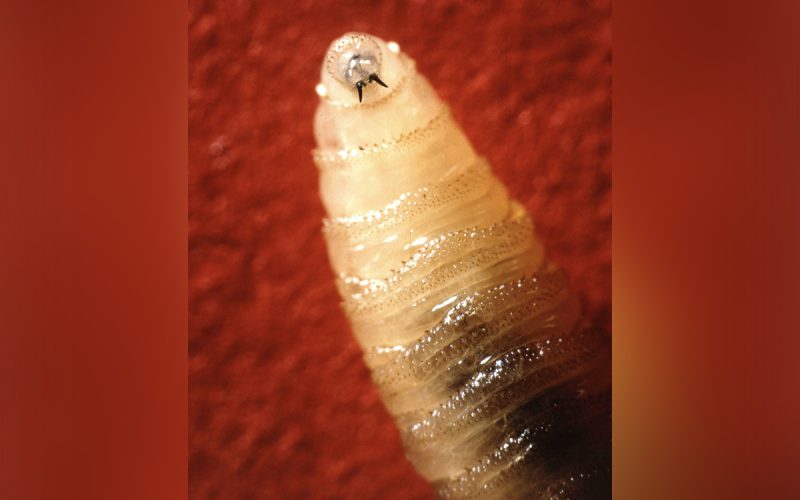
The Centers for Disease Control and Prevention (CDC) has issued a warning to healthcare professionals regarding the potential for infestations of New World screwworms in the United States. Medical practitioners are advised to be vigilant for symptoms associated with these parasitic infestations, which can lead to serious health issues.
New World screwworm flies lay their eggs in open wounds, as well as in the noses, ears, eyes, or mouths of animals and, in rare cases, humans. Once the eggs hatch, the larvae, commonly referred to as maggots, begin to feed on the surrounding flesh. As they burrow deeper into the tissue, they can cause significant damage and infection.
The CDC emphasizes that early detection is crucial for effective treatment and management of infestations. Symptoms can include inflammation, pain, and unusual discharge from the affected area. In cases involving livestock, the consequences can be particularly severe, leading to increased suffering and economic losses for farmers.
Understanding the Risks of Screwworm Infestations
Screwworms pose a significant threat not only to livestock but potentially to humans as well. The CDC has noted that while human cases are rare, they can occur, especially in individuals with compromised immune systems. The organization stresses the importance of reporting any suspected cases to local health authorities for further investigation and management.
In the past, the New World screwworm was eradicated from the continental United States, but recent reports suggest that the risk of reintroduction remains. Areas near the southern border have seen increased activity, raising concerns among agricultural experts and health officials. The CDC has been working closely with state and local agencies to monitor the situation and develop response strategies.
Preventive Measures and Recommendations
The CDC recommends that medical professionals remain alert for potential signs of infestation, particularly in patients who present with unusual wounds or infections. It is crucial to take a thorough patient history and inquire about any recent travel or exposure to infested areas.
To prevent infestations, healthcare providers are advised to educate patients on proper wound care and hygiene practices. Livestock owners should also implement strict biosecurity measures to reduce the risk of screwworm introduction and spread.
As the situation develops, the CDC will continue to provide updates and guidelines to ensure that healthcare professionals are equipped with the necessary information to protect both human and animal health. Early intervention and awareness are key components in addressing the challenges posed by the New World screwworm.