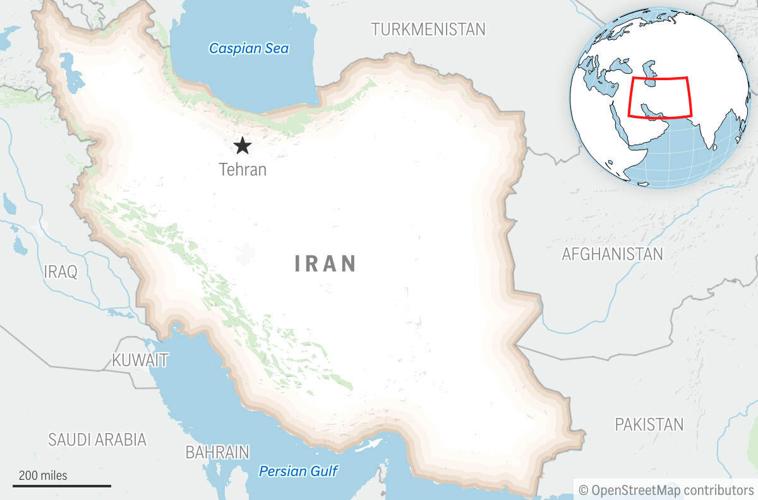
The Iranian government’s crackdown on nationwide protests has resulted in a staggering death toll of at least 5,002 individuals, according to activists. This figure, reported by the U.S.-based Human Rights Activists News Agency, indicates a severe escalation in violence, with many more casualties feared. As of now, the most extensive internet blackout in Iran’s history has persisted for over two weeks, complicating efforts to gather accurate information from within the country.
The protests erupted on December 28, 2022, and have been met with intense government repression. Activists report that of the confirmed deaths, 4,716 were demonstrators, along with 203 government-affiliated individuals, 43 children, and 40 civilians not participating in the protests. In addition, authorities have detained more than 26,800 people as part of a widening crackdown. The Human Rights Activists News Agency has a reliable track record in documenting casualties in previous unrest in Iran.
Iran’s government, in stark contrast, reported a death toll of 3,117 as of January 4, claiming that 2,427 of those killed were civilians and security forces, while labeling the remainder as “terrorists.” Historically, the Iranian government has underreported fatalities during civil unrest, making it difficult to ascertain the true scale of the violence.
The ongoing internet shutdown and restrictions on international communication have hindered independent verification of the reported figures. State television has characterized demonstrators as “rioters” motivated by foreign influences, particularly the United States and Israel, without providing evidence for these claims.
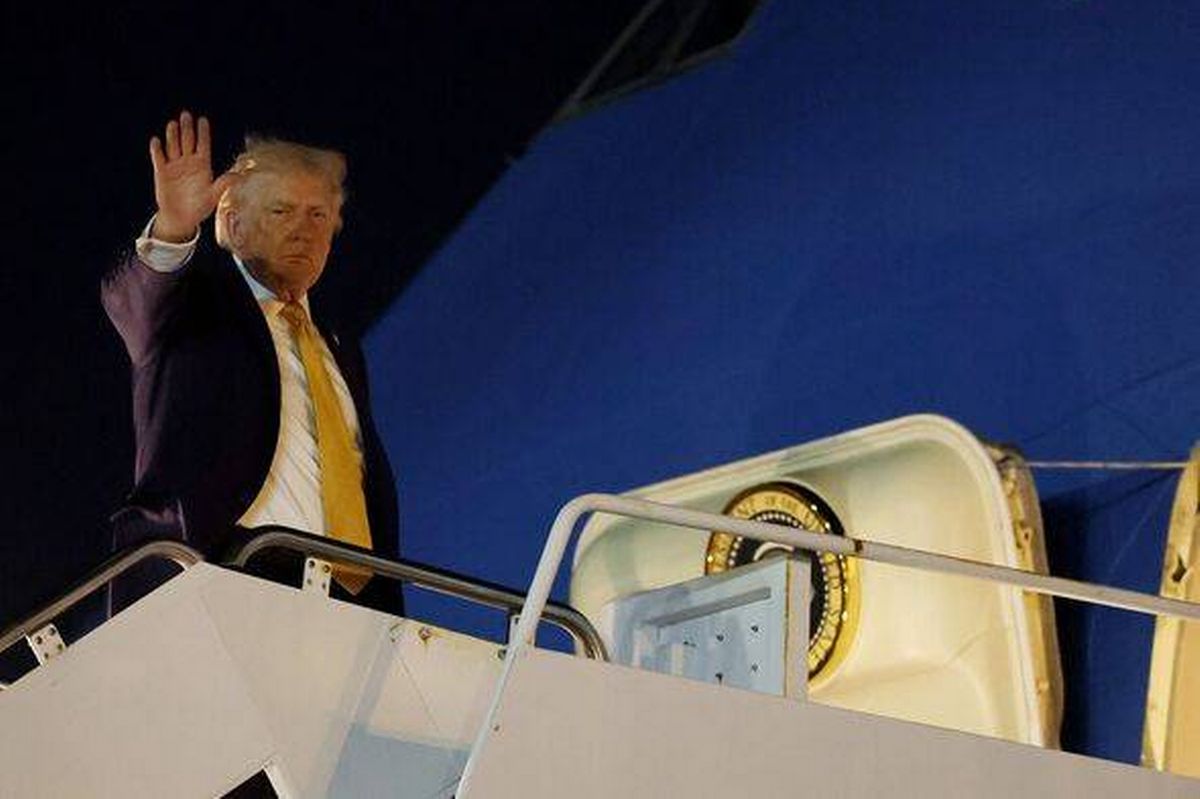
Tensions between the United States and Iran have intensified concurrently with the protests. President Donald Trump announced that a naval strike group, described as an “armada,” is moving toward the Middle East as a precautionary measure. This includes the aircraft carrier USS Abraham Lincoln, which has been repositioned from the South China Sea and is currently located in the Indian Ocean.
Trump stated on January 4 that the U.S. military presence is intended “just in case” action is required. He emphasized that the U.S. has a “massive fleet heading in that direction” and suggested that the military response could be significant, referencing previous U.S. strikes against Iranian nuclear facilities.
The United Kingdom’s Defense Ministry has also responded to heightened regional tensions, deploying its joint Eurofighter Typhoon fighter jet squadron with Qatar to the Persian Gulf for defensive purposes.
As protests continue, Iran’s attorney general has labeled some detainees as “mohareb” or “enemies of God,” which is a charge that could carry the death penalty. This legal framing evokes memories of the mass executions during the 1988 crackdown, which reportedly resulted in at least 5,000 deaths.
With the situation rapidly evolving, the international community remains watchful, as the potential for further violence looms over Iran’s streets and beyond.