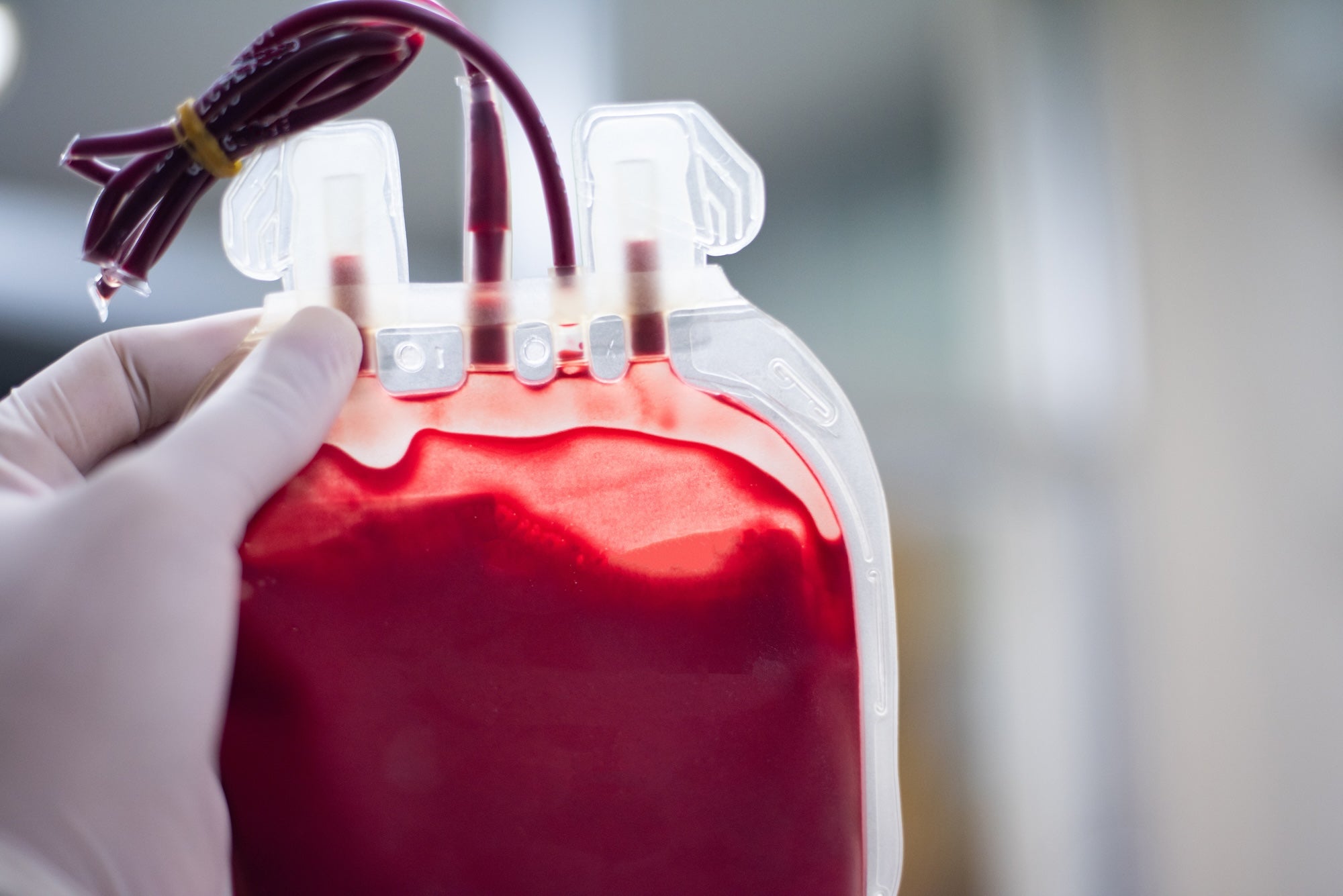
A groundbreaking new device developed through a collaborative effort between CU Boulder and CU Anschutz could significantly enhance the monitoring of blood quality in transfusions. This innovative technology enables blood centers and hospitals to assess the condition of red blood cells after they have been stored for weeks, addressing a critical issue in the management of blood supplies.
The device, which fits in the palm of a hand, utilizes a method known as the surface acoustic wave hemolysis assay (SAW-HA). According to Xiaoyun Ding, an associate professor in the Paul M. Rady Department of Mechanical Engineering at CU Boulder, the team envisions a compact chip, approximately the size of a dime, that could connect to a smartphone. This setup would allow users to obtain results in just two minutes using their phone’s camera and an app. The research findings were published in the latest issue of the journal Lab on a Chip.
Every year, around 6.8 million individuals donate blood in the United States, according to the American Red Cross. While these donations save countless lives, red blood cells undergo aging similar to perishable goods. As time passes, some cells lose their healthy shape and eventually die, a process known as hemolysis. In the U.S., blood centers can store red blood cells for no longer than 42 days. However, the aging rate can vary significantly among donors, potentially compromising the efficacy of transfusions.
Ding and study co-author Angelo D’Alessandro, a professor in the School of Medicine at CU Anschutz, identified vibrations as a unique property to monitor red blood cell health. The SAW-HA device shakes the blood cells until they break apart, providing essential information about their condition. D’Alessandro explained, “We envision that this technology could help allocate higher-quality units to vulnerable patient populations, such as pediatric patients and those with sickle cell disease who require regular transfusions.”
When blood is donated, technicians separate red blood cells from plasma and white blood cells, storing them at near-freezing temperatures. Over time, red blood cells can develop irregular shapes, impacting their viability. As D’Alessandro noted, the rate of aging and the subsequent risk of hemolysis can differ among blood donations.
The SAW-HA device operates based on principles of surface acoustic waves, which resemble sound waves but travel across the surface of materials. The researchers place a layer of metallic electrodes on a lithium niobate wafer and add a small blood sample. When an electric current is applied, the resulting vibrations shake the blood, causing red blood cells to heat up and undergo hemolysis.
The research team discovered that older blood cells tend to burst at lower temperatures and exhibit different metabolite levels, providing insight into their aging process. “When cells get older and older, their membranes become weaker and weaker,” Ding explained.
While the device shows promise, further development is necessary before it can serve as a reliable quality indicator in blood centers. Ding emphasized that this technology could also be adapted for various applications, including screening for blood-related diseases such as sickle cell disease, ultimately broadening its impact on healthcare.
The potential of this device to transform blood quality testing underscores the importance of innovation in medical technology, especially in a field as vital as blood transfusion. With continued research and development, this technology may soon play a crucial role in ensuring the safety and effectiveness of blood products for patients in need.