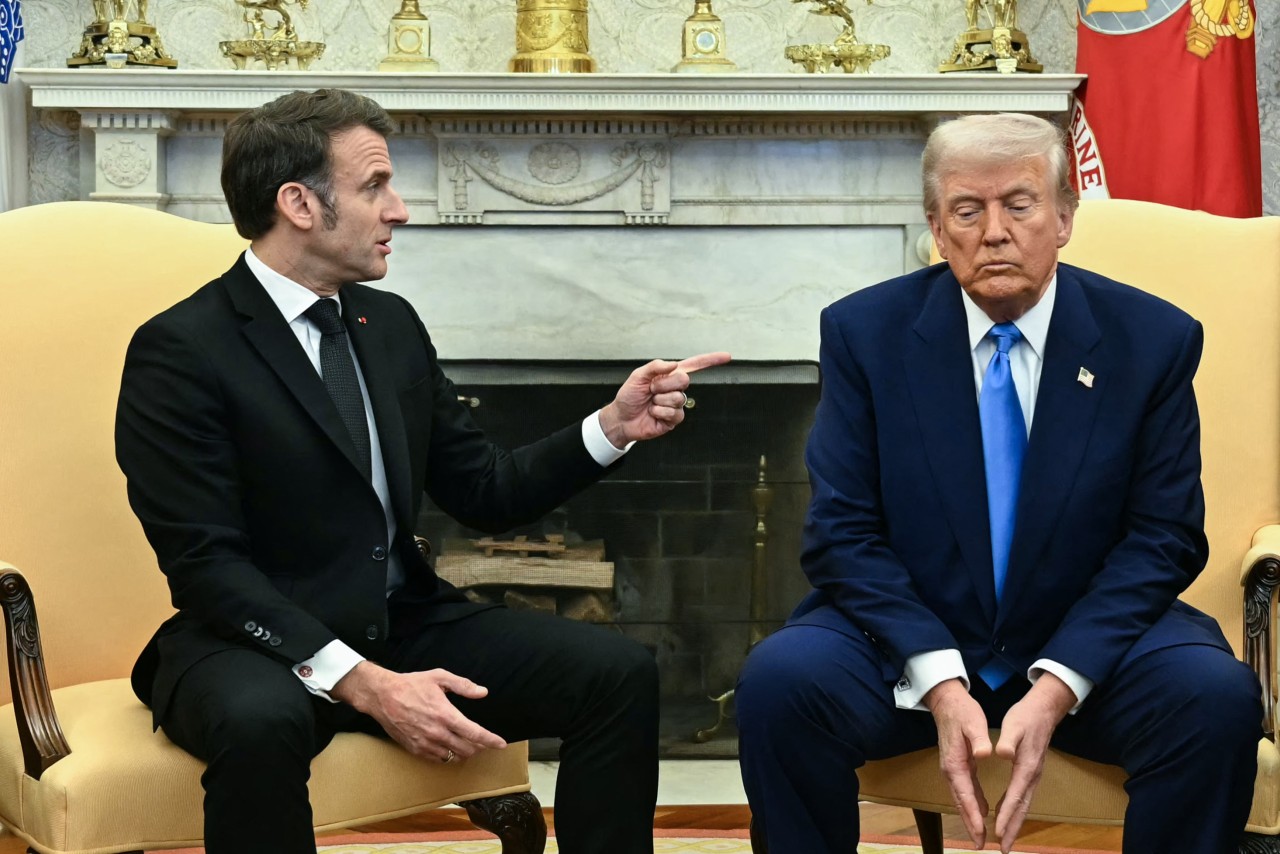
U.S. President Donald Trump has threatened to impose a staggering 200% tariff on French wines as part of a strategy to encourage French President Emmanuel Macron to take a more active role in addressing the ongoing conflict in Gaza. This announcement comes as tensions escalate in the region, prompting Trump to seek greater international involvement.
During a recent press conference, Trump expressed his frustration with Europe, particularly regarding its engagement in global conflicts. He stated that increased tariffs would serve as a strong incentive for Macron to step up France’s participation in diplomatic efforts related to Gaza. This move reflects a broader trend in Trump’s foreign policy, which often employs economic pressure to achieve strategic goals.
Controversial Comments on Greenland
In addition to the tariff proposals, Trump reiterated his longstanding interest in acquiring Greenland, a territory currently governed by Denmark. He claimed that neither Europe nor Denmark could adequately protect this Arctic region, suggesting that U.S. control would be more effective. His comments have reignited discussions about the geopolitical significance of Greenland, particularly in light of climate change and potential resource exploitation.
The U.S. president’s remarks on Greenland and the tariffs on French wines have drawn mixed reactions. Critics argue that such policies could exacerbate existing tensions between the U.S. and its allies, while supporters view them as necessary measures to assert American interests on the global stage.
Trump’s approach to international relations often emphasizes transactional negotiations, and his latest threats seem to follow this pattern. By linking tariffs to foreign policy objectives, he aims to reshape how countries engage with the U.S. on pressing international issues.
As the situation develops, it remains to be seen how Macron and the European Union will respond to these provocations. The implications of such tariffs could significantly impact the wine industry, particularly in France, where exports have been a vital part of the economy.
Overall, the potential for a trade dispute over French wines highlights the complex interplay between international diplomacy and economic policy. The unfolding situation in Gaza and Trump’s unconventional methods will likely continue to dominate headlines in the coming weeks.