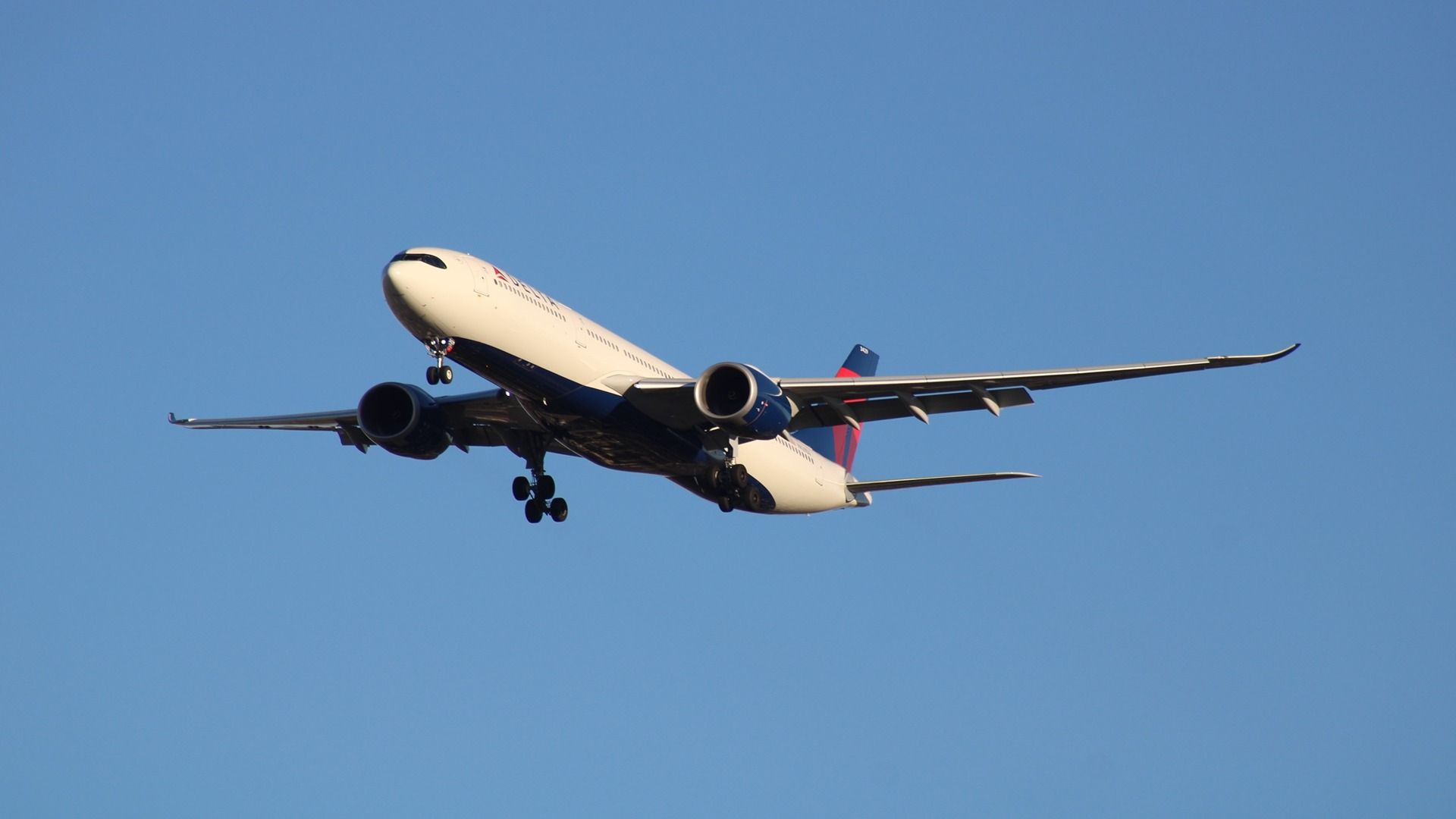
Delta Air Lines is set to enhance its long-haul service by introducing ten new routes using the Airbus A330neo by 2026. This aircraft has become an essential component of Delta’s fleet, bridging the capacity gap between the smaller Boeing 767 and the larger Airbus A350. The A330neo is particularly well-suited for long-distance routes that do not require the full capacity of an A350 but demand more premium seating than the Boeing 767 can provide.
The Airbus A330neo is recognized for its efficiency and versatility, making it ideal for routes that experience moderate demand. According to data from Cirium Aviation Analytics, these routes can be expected to connect major cities across North America, South America, Africa, Europe, and Asia. Delta’s strategy aims to optimize its long-haul offerings, catering to a growing demand for premium travel options.
Key Long-Haul Destinations
Delta’s Airbus A330neo will operate on some of the airline’s longest routes. The following destinations have been identified as critical for the A330neo’s deployment:
– **Atlanta to Lagos, Nigeria**: 5,842 miles (9,403 km)
– **Seattle to Shanghai, China**: 5,722 miles (9,209 km)
– **Atlanta to Athens, Greece**: 5,700 miles (9,173 km)
– **Seattle to Rome, Italy**: 5,688 miles (9,154 km)
– **Atlanta to Accra, Ghana**: 5,679 miles (9,139 km)
– **New York-JFK to Tel Aviv, Israel**: 5,677 miles (9,136 km)
– **Seattle to Barcelona, Spain**: 5,439 miles (8,753 km)
– **New York-JFK to Buenos Aires, Argentina**: 5,281 miles (8,499 km)
– **New York-JFK to Lagos, Nigeria**: 5,250 miles (8,449 km)
– **New York-JFK to Accra, Ghana**: 5,111 miles (8,225 km)
These routes demonstrate Delta’s commitment to maximizing the efficiency of its long-haul fleet while meeting passenger demand. The A330neo typically operates flights that last around 10 to 11 hours, allowing Delta to effectively serve a range of premium markets.
Service Frequency and Market Strategy
The frequency of service on these routes varies significantly, reflecting Delta’s tailored approach to market demand. For instance, the airline’s service from New York-JFK to Tel Aviv’s Ben Gurion Airport (TLV) stands out as the busiest route, with 199 flights planned between January and June 2025. This high-frequency service caters to the premium-oriented diaspora in the New York area, ensuring consistent availability for travelers.
In contrast, routes such as Atlanta to Accra will see only 15 flights during the same period, highlighting Delta’s strategic focus on adjusting capacity in line with demand. The same applies to the New York-JFK to Lagos route, which will also operate 15 flights.
The A330neo’s efficiency enables Delta to operate these routes more economically, particularly as the airline seeks to enhance its intercontinental offerings. A notable success story is the Buenos Aires route, where Delta typically operates from Atlanta. However, during peak travel months in January and February, when demand surges, Delta shifts to daily nonstop services from New York. In these months, the carrier anticipates operating 85 A330neo flights to Buenos Aires, underscoring the aircraft’s flexibility and operational effectiveness.
As Delta Air Lines continues to expand its long-haul services, the introduction of the Airbus A330neo is poised to play a vital role in its strategy. By focusing on routes that balance capacity and demand, Delta aims to enhance passenger experience while optimizing operational efficiency. The future looks promising as the airline adapts to evolving travel trends and customer needs in the international aviation landscape.