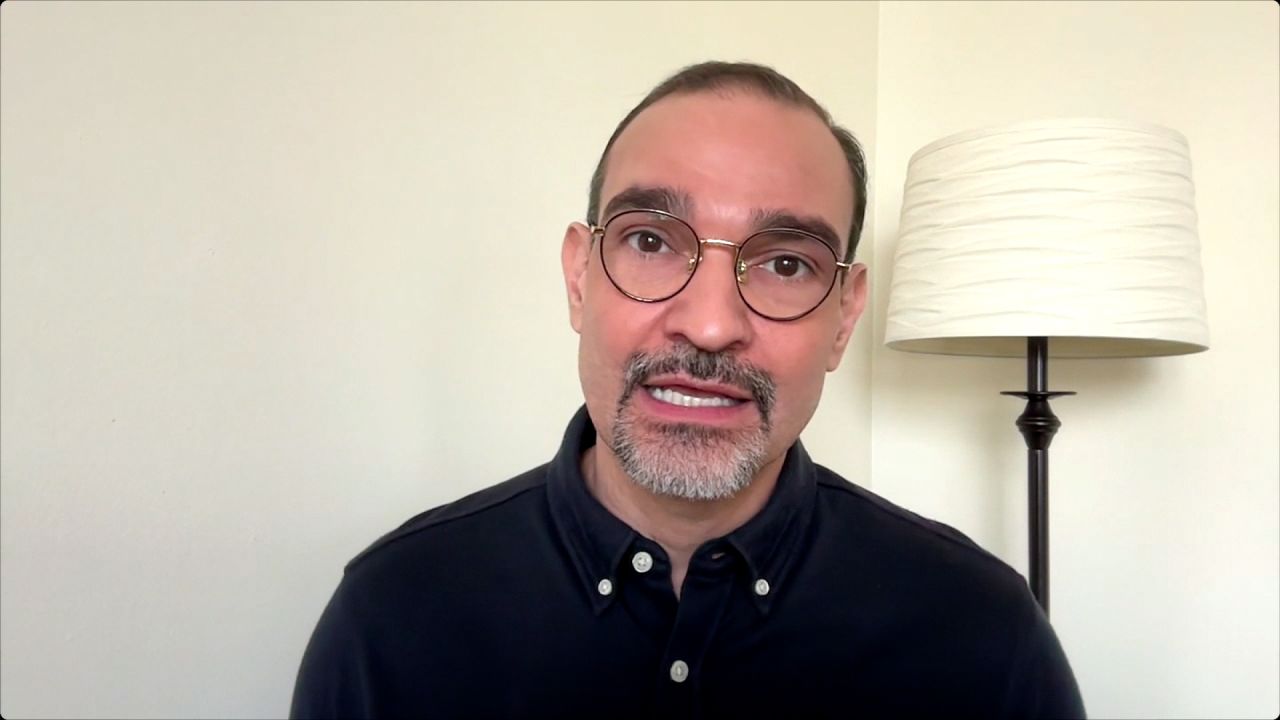
The Pentagon’s recent decision to pause initial training for military recruits living with HIV has drawn sharp criticism from activist and Broadway actor Javier Muñoz. In an interview with CNN’s Danny Freeman, Muñoz stated that the order conveys a message that is “rooted in bigotry and discrimination” against those living with the virus.
The Pentagon’s policy shift, announced in early October 2023, has raised concerns among advocates for HIV/AIDS awareness and rights. Muñoz emphasized that this decision not only affects the individuals involved but also sends a damaging signal to society regarding the treatment of people living with HIV. He contended that such actions perpetuate stigma and discrimination, which have historically hindered progress in public health.
Context of the Decision
The announcement coincides with ongoing discussions about the military’s policies regarding health and fitness standards for recruits. According to statements from military officials, the pause is intended to assess training protocols and ensure the well-being of all personnel. However, critics argue that it disproportionately impacts those living with HIV, undermining their rights and capabilities to serve.
Muñoz pointed out that advancements in medical treatment allow individuals with HIV to lead healthy lives and serve effectively in the military. He highlighted the importance of fostering an inclusive environment within the armed forces, where diversity is not only accepted but celebrated.
Public Response and Broader Implications
The public reaction to the Pentagon’s decision has been mixed, with many health advocates rallying to support the rights of those living with HIV. Organizations focused on HIV/AIDS awareness have expressed concern over the implications of such policies, arguing that they could discourage individuals from seeking necessary medical care or enlisting in the military.
In his conversation with Freeman, Muñoz called for a reevaluation of the military’s stance, advocating for policies that reflect the current understanding of HIV and its management. He believes that military service should be accessible to everyone, regardless of their health status, as long as they meet the necessary physical and mental requirements.
The conversation surrounding this issue highlights an ongoing struggle against the stigma associated with HIV and the need for systemic changes within institutions like the military. As awareness grows, advocates like Muñoz continue to push for equality and inclusion, emphasizing that discrimination based on health status has no place in modern society.
The ramifications of the Pentagon’s decision may extend beyond the military, influencing public perception and policy regarding HIV/AIDS. As the conversation evolves, it will be crucial for leaders to address these concerns proactively and ensure that all individuals are treated with dignity and respect, regardless of their health conditions.