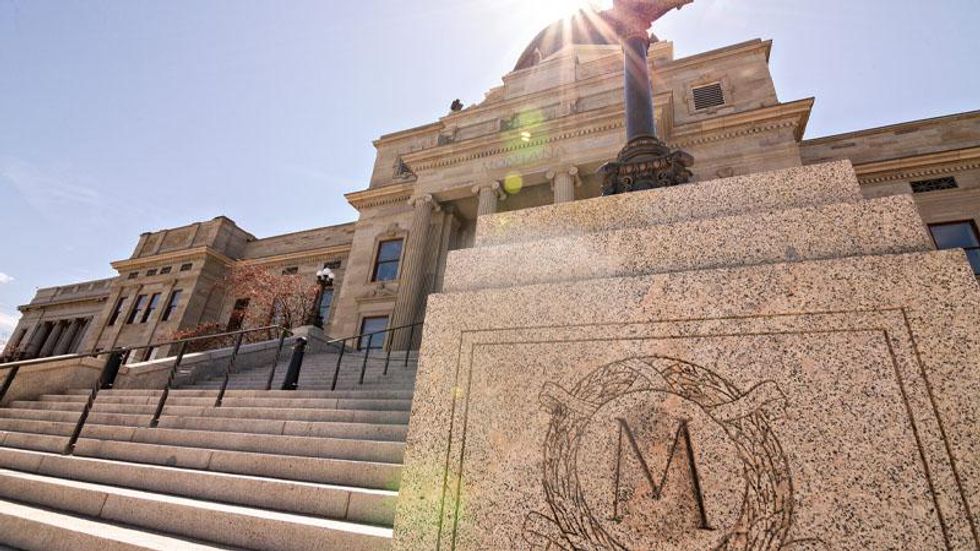
Montana is experiencing an unusually warm winter, with temperatures reaching the mid-50s in Helena as of January 2024. Nighttime lows are often above freezing, and new high-temperature records are being set weekly. This unexpected weather has raised concerns among long-time residents about the implications for the state’s environment and future.
With many newcomers to the region finding the current climate pleasant, seasoned Montanans are voicing their worries. The state’s mountains, typically blanketed in snow by this time of year, appear brown, with only the highest peaks showing any significant snowpack. Reports indicate that snowmobilers have noted decent snow at elevations around 9,000 feet in the Tobacco Root Mountains, yet this is far from the robust winter conditions expected in January.
The situation has led to a growing sense of seasonal dislocation among residents who have witnessed these changes first-hand. As temperatures remain unseasonably warm, the long-term effects of climate change are becoming increasingly evident.
Environmental Impacts and Concerns
Data from local meteorologists reveal substantial variation in snow depth across the state. Some sites report good accumulation, while others indicate dangerously low levels. This inconsistency raises alarms for those who rely on winter snow for water resources and economic activities, such as agriculture and tourism.
The reality of climate change is no longer a distant concern; it is unfolding in real-time in Montana. According to environmental advocates, the ongoing changes validate long-standing predictions about the consequences of human-induced pollution. These predictions have faced skepticism from various sectors, particularly those tied to the fossil fuel industry, which has historically resisted regulatory measures aimed at addressing climate change.
Critics point to the current administration’s environmental policies as misguided. Despite proclamations dismissing climate change as a “hoax,” the evidence is clear: warmer winters and diminishing snowpacks threaten the natural landscape and livelihoods of Montanans.
Policy and Future Outlook
Compounding the issue, there has been an increase in logging activities across Montana’s national forests. Critics argue that this approach undermines the forests’ ability to sequester carbon dioxide naturally. While billions are being invested in technological solutions to carbon capture, preserving forests remains a cost-effective and immediate strategy to combat climate change.
Montana’s governor is reportedly pushing for a significant increase in logging quotas, despite the uncertain future of forest regrowth under changing climate conditions. Environmentalists continue to advocate for policies that prioritize the protection of natural ecosystems, emphasizing that sustainable management practices are vital for future generations.
George Ochenski, a prominent columnist and environmental activist from Helena, underscores the urgency of addressing these issues. He stresses that the pleasant winter weather being enjoyed by newcomers is not a sign of a healthy environment but rather a signal of significant ecological shifts that require attention. As the state grapples with these challenges, the question remains: what will Montana look like if current trends continue?
As Montanans reflect on the unusual warmth of January 2024, they are left to ponder the future of their winters and the broader implications of climate change on their beloved state.