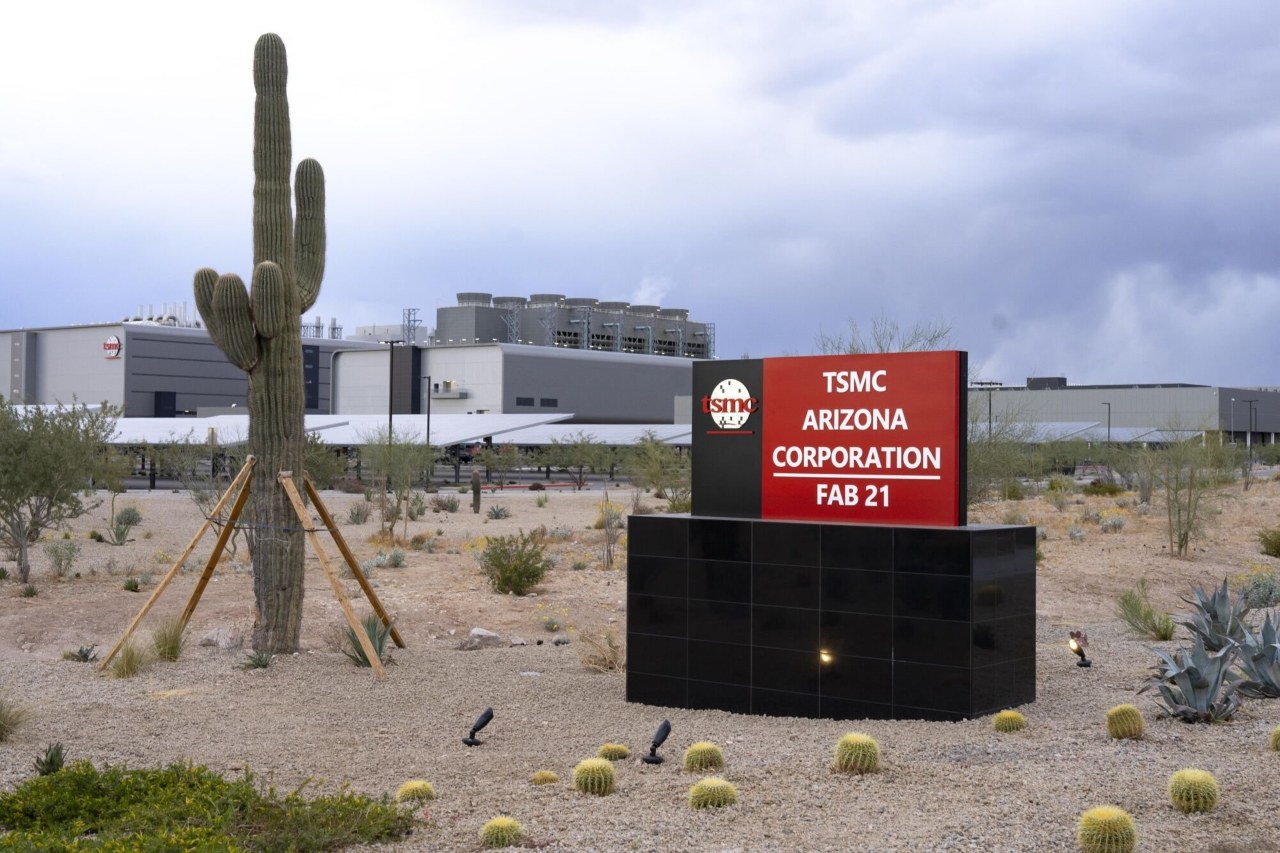
Taiwan Semiconductor Manufacturing Company (TSMC), the world’s leading chip manufacturer, is taking significant steps to expand its operations in the United States. This move aims to enhance its production capabilities and address both business and geopolitical challenges. Traditionally known for providing a “Silicon Shield” to Taiwan, TSMC is now looking beyond its home island to secure its future in an increasingly competitive global market.
TSMC is investing heavily in U.S. facilities, with plans to build a new $40 billion chip manufacturing plant in Arizona. This facility is expected to generate thousands of jobs and bolster local economies. The Arizona plant will focus on advanced semiconductor technologies, crucial for various high-tech industries, including automotive, telecommunications, and consumer electronics.
The decision to expand in the U.S. comes amid rising tensions between China and Taiwan. As the geopolitical landscape shifts, TSMC recognizes the need to diversify its operations. The company’s leadership has indicated that establishing a strong presence in the U.S. not only mitigates risks associated with potential regional conflicts but also aligns with the growing demand for domestic semiconductor production.
According to TSMC Chairman Mark Liu, the company’s investments in the U.S. are driven by a dual focus on market needs and national security. “We aim to support our customers and ensure a stable supply chain, which is vital for technological development,” Liu stated during a recent press conference.
The U.S. government has been actively encouraging semiconductor manufacturing on American soil, offering incentives to companies like TSMC. The Chips and Science Act, signed into law in August 2022, provides significant funding to bolster domestic chip production. By establishing advanced manufacturing capabilities in the U.S., TSMC is poised to play a crucial role in strengthening the nation’s tech infrastructure.
As part of its expansion strategy, TSMC is also collaborating with various U.S. companies and research institutions. Partnerships with firms such as Apple and NVIDIA are central to TSMC’s efforts to innovate and meet the evolving needs of the semiconductor market. These collaborations will enhance research and development initiatives, allowing TSMC to stay at the forefront of technological advancements.
The impact of TSMC’s expansion is not limited to the U.S. market. By increasing its global footprint, the company aims to improve its resilience against supply chain disruptions, a lesson learned during the COVID-19 pandemic. As the world faces ongoing challenges in semiconductor supply, TSMC’s strategic positioning could help stabilize the market.
In conclusion, TSMC’s aggressive expansion into the U.S. marks a pivotal moment in the semiconductor industry. By investing in new manufacturing facilities and fostering collaborations, TSMC is not only securing its own future but also contributing to the broader goals of enhancing national security and economic stability. As the global demand for semiconductors continues to rise, TSMC’s actions will likely have far-reaching implications for the tech landscape, both in the U.S. and around the world.