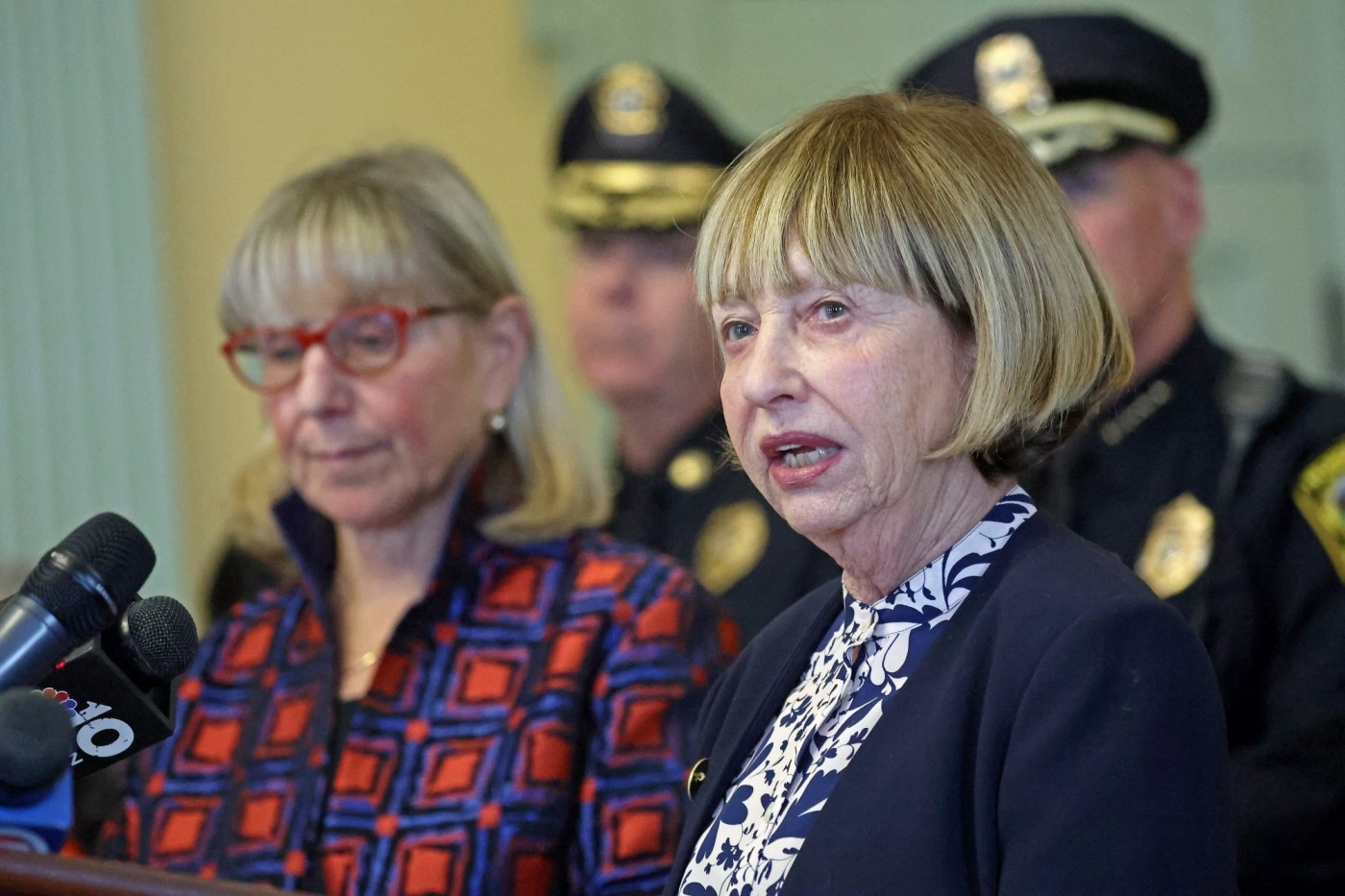
UPDATE: A controversial new bill in Massachusetts aims to significantly reduce personal vehicle miles driven in the state, igniting fierce debate over its implications for residents. State Sen. Cynthia Stone Creem, D-Newton, is facing backlash as she defends her legislation, known as “An Act Aligning the Commonwealth’s Transportation Plan with its Mandates and Goals for Reducing Emissions and Vehicle Miles Traveled.”
Critics argue that the bill represents government overreach into personal driving habits, while supporters tout its potential to enhance public transportation and combat pollution. Stone Creem insists that the “Freedom to Move Act” does not limit driving choices or impose penalties, stating, “It gives people more choices.” However, the bill mandates that the Massachusetts Department of Transportation (MassDOT) set goals for reducing total vehicle miles, raising concerns about its true intentions.
The proposed legislation also restricts MassDOT’s approval of regional transportation plans unless they align with vehicle travel reduction targets. At a hearing in May, Kevin Shannon, an analyst with the Union of Concerned Scientists, emphasized the necessity of the bill for bridging gaps between climate goals and transportation planning. “This fills a necessary gap between our climate goals and the transportation plans the state makes every year,” he stated.
The urgency of addressing climate change is underscored by Massachusetts’ pressing emissions targets. Yet, the bill has drawn skepticism from some lawmakers, including Michael Barrett, a Democrat who expressed worries about its potential bias against rural residents. He highlighted that limiting vehicle miles could disproportionately impact those with longer commutes.
Recent data reveals a significant shift in commuting patterns due to the COVID-19 pandemic. As of Q3 2025, Boston reported a 15.1% commercial vacancy rate, a stark 114% increase since pre-pandemic times. A survey by the Greater Boston Chamber of Commerce found that 85% of local businesses have adopted hybrid work models, further reducing vehicle miles traveled without the influence of climate legislation.
While the bill presents a potential framework for reducing carbon emissions, it seems to disregard the ongoing transformations in work habits and commuting due to the pandemic. The lack of adequate public transport options in western Massachusetts, coupled with the diminished traffic in urban areas, suggests a nuanced approach is necessary for effective policy implementation.
Next steps for the bill remain uncertain as lawmakers weigh the complex implications of its goals. As public discourse continues, the urgency for a balanced solution that addresses climate objectives while considering the realities of everyday transportation grows more pressing.
Residents and stakeholders are urged to remain informed as this critical legislation develops, with potential implications for how Massachusetts shapes its transportation future. Stay tuned for updates on this evolving story.