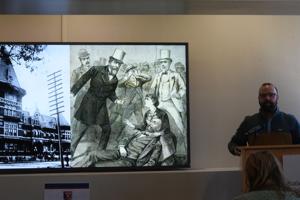
The National Museum of Civil War Medicine in Frederick, Maryland, showcases the pivotal advancements in medical practices during the conflict that claimed countless lives. Among the myriad stories told at the museum, the tragic account of President James Garfield stands out, serving as a poignant reminder of the era’s medical limitations and breakthroughs.
Garfield was assassinated on July 2, 1881, and succumbed to his wounds on September 19, 1881, after enduring a lengthy and painful struggle. His death highlighted both the challenges faced by medical practitioners of the time and the significant progress made during the Civil War. The museum’s staff emphasizes that wartime experiences directly influenced advancements in surgical techniques and medical care.
Understanding Garfield’s Medical Treatment
After being shot by Charles Guiteau, Garfield was attended to by prominent doctors who utilized the medical knowledge available to them at the time. Despite their efforts, which included probing his wounds with unsterilized instruments, the president developed a severe infection. The museum details how these events underscored the need for improved surgical practices and hygiene standards, ultimately leading to reforms in the medical field.
The museum features exhibits that explore not only Garfield’s case but also the broader context of Civil War medicine. Visitors can learn about the introduction of ambulance corps, advancements in anesthesia, and the establishment of field hospitals, all of which were shaped by the experiences of soldiers on the battlefields.
Educational Impact and Visitor Engagement
With a commitment to educating the public, the National Museum of Civil War Medicine hosts various programs and events aimed at enhancing understanding of this critical period in American history. Interactive exhibits allow visitors to engage with the material, and guided tours provide deeper insights into individual stories like Garfield’s.
By illustrating the evolution of medical practices, the museum not only honors the legacy of those who served in the Civil War but also highlights the importance of continual advancements in healthcare. It serves as a vital resource for understanding how historical events shape modern medicine.
The museum stands as a testament to the resilience of medical professionals and the lessons learned through adversity. As visitors leave, they carry with them a greater appreciation for the complexities of medical care, both in the past and present.